

This nine-day architectural journey through Greece will trace the span of four millennia through the buildings and ideas that embody the life of the soul.
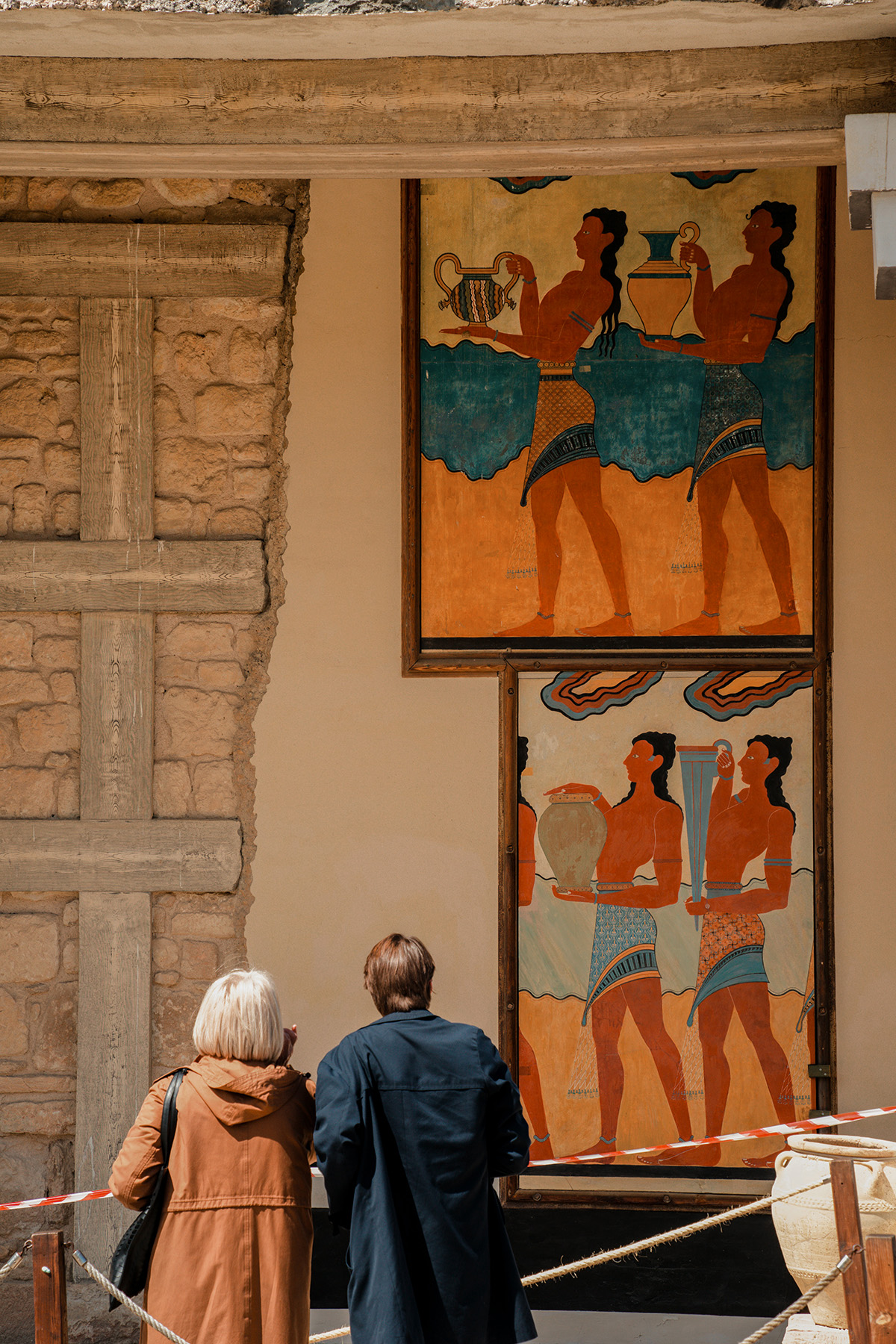
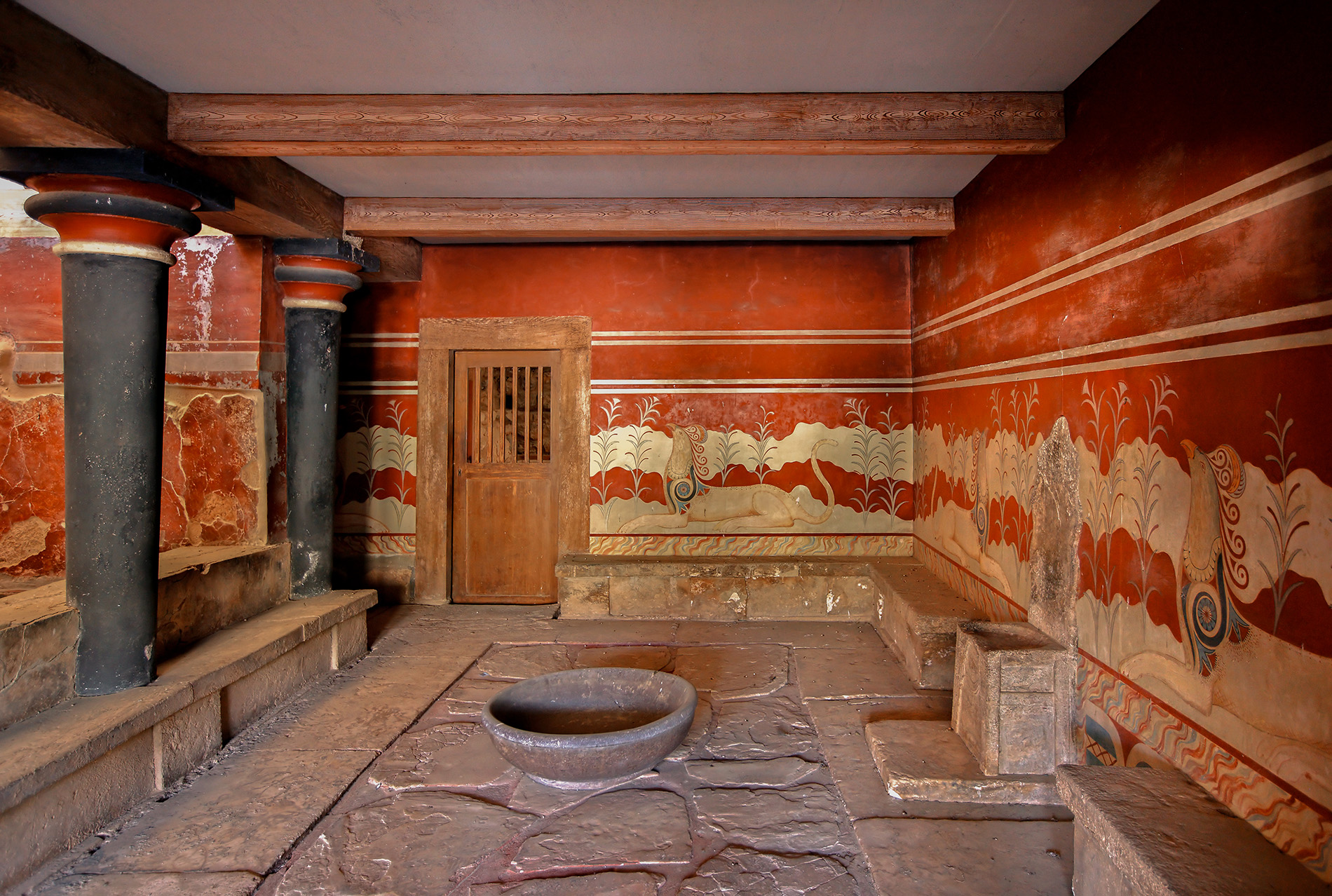
Your journey will begin in Crete, one and a half millennia before the birth of Christ where you'll observe the intersection of nature and human civilization in the frescoes, bull-jumping bronzes, massive bronze pots used for feasts, and the palace of Knossos equipped with running water and the words for understanding the world, words that are the bedrock of our own vocabulary today.
As your journey progresses, you'll traverse the rise and fall of the age of heroes, of Classical Greece, the birth of philosophy, and the reordering of human purpose to things Divine through the preaching of St. Paul and the Christian inheritance of the arts through the liturgy of human history and civilization. Architecture will not simply echo in the foundations of the sites you visit, it will introduce the framework of human purpose through the life of the soul.
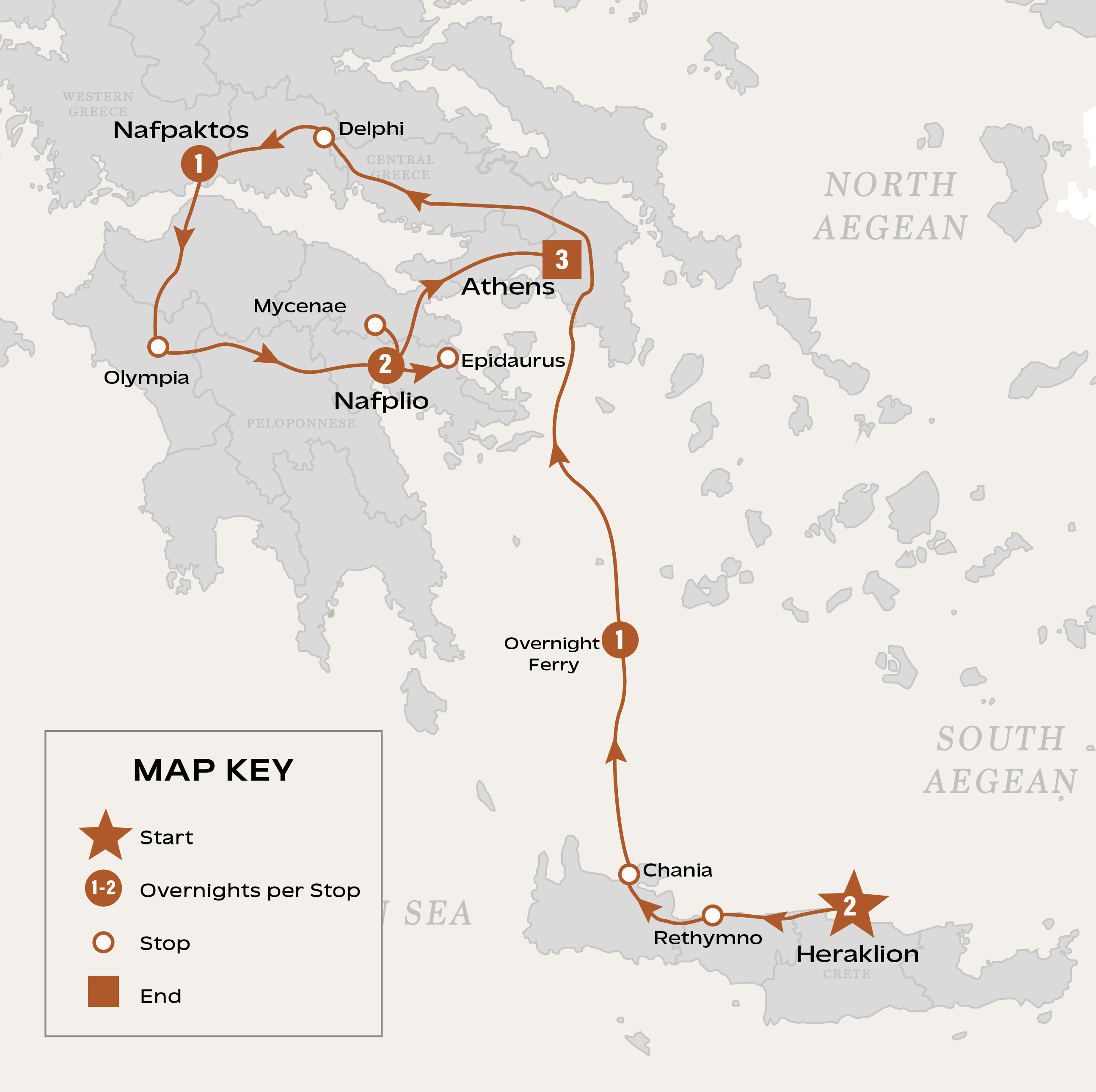
Arrive in Heraklion and transfer to our hotel, where you will have time to settle in and get acquainted with your surroundings. In the afternoon we’ll gather for an introduction to the journey ahead with a leisurely walk and a welcome dinner with our local guide, sharing our first taste of Greek philoxenia: the hospitality that turns strangers into friends.
Consider reading Homer's Iliad before arrival. Your journey will begin with the Homeric notion of the heroic, the home, the hearth, and the search for glory in the face of oblivion.
Transportation: Taxi to hotel (independent arrangements)
Walking: 3 miles
Meals included: Dinner
We’ll begin at the Heraklion Archaeological Museum where we’ll encounter the frescoes, pottery, and other objects that bring this ancient world into vivid focus. Here you'll observe the foundations of architecture not only in material form, but in the human desire to dwell together and to establish communities built around cycles of memory, festivals, and beauty.
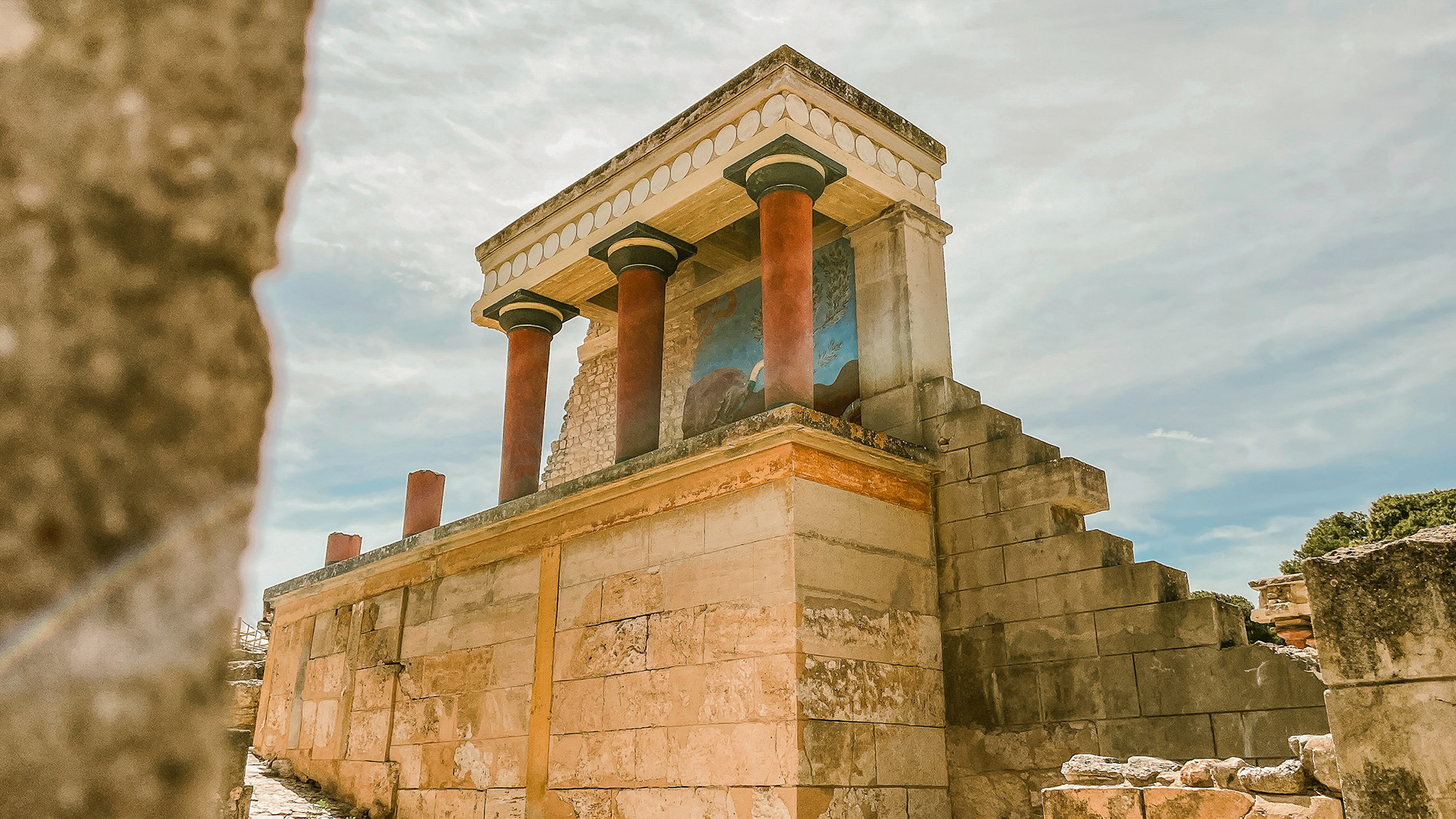
In the later morning, we'll visit the Palace of Knossos, exploring the mysterious remains of Minoan civilization and the stories of Minos, Theseus, and the labyrinth. Often portrayed as a peaceful society, the Minoan world still poses unanswered questions, including what ultimately led to its decline and collapse.
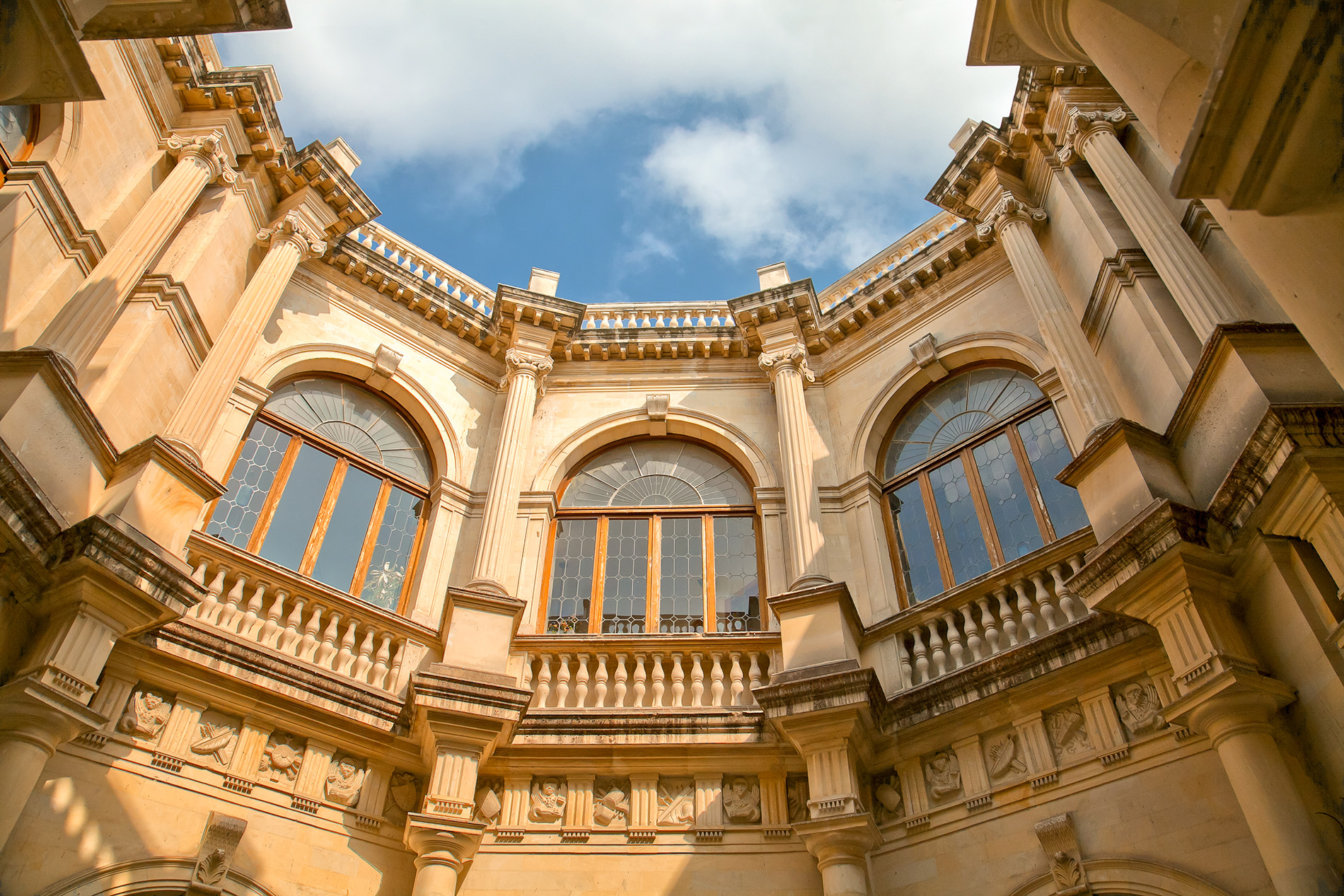
In the afternoon consider exploring Saint Mark’s, Loggia, the shipyards, and Rocca a Mare (Koules Fortress).
Transportation: 45 minutes
Walking: 6 miles
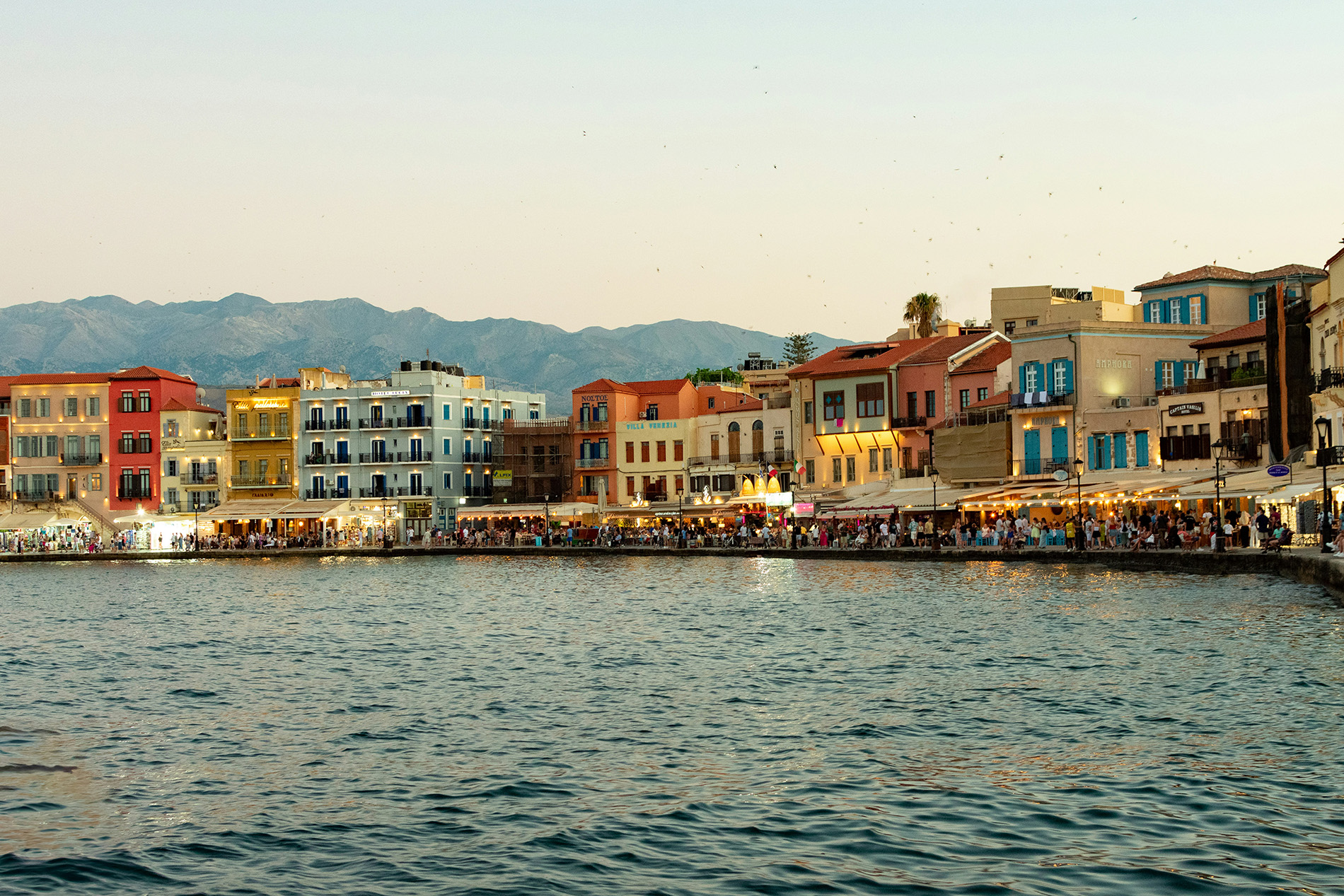
After breakfast, we travel west to Chania, one of Crete’s most atmospheric and historically layered towns. A stroll through its winding old streets and handsome Venetian harbor reveals the island’s rich blend of Greek, Venetian, and Ottoman influences. We’ll have time to enjoy lunch and explore at our own pace before continuing toward the port of Souda, with a possible stop at Arkadi Monastery, a landmark of Crete’s history and struggle for independence, time permitting. In the evening, we board our overnight ferry to Piraeus, settle into our sleeping cabins, and begin the voyage back to the Greek mainland.
Transportation: Bus, 2.5 hours; Ferry 9.5 hours
Walking: 8 miles
Upon arrival in Piraeus, we’ll meet our bus and travel to Hosios Loukas Monastery before continuing to Delphi.
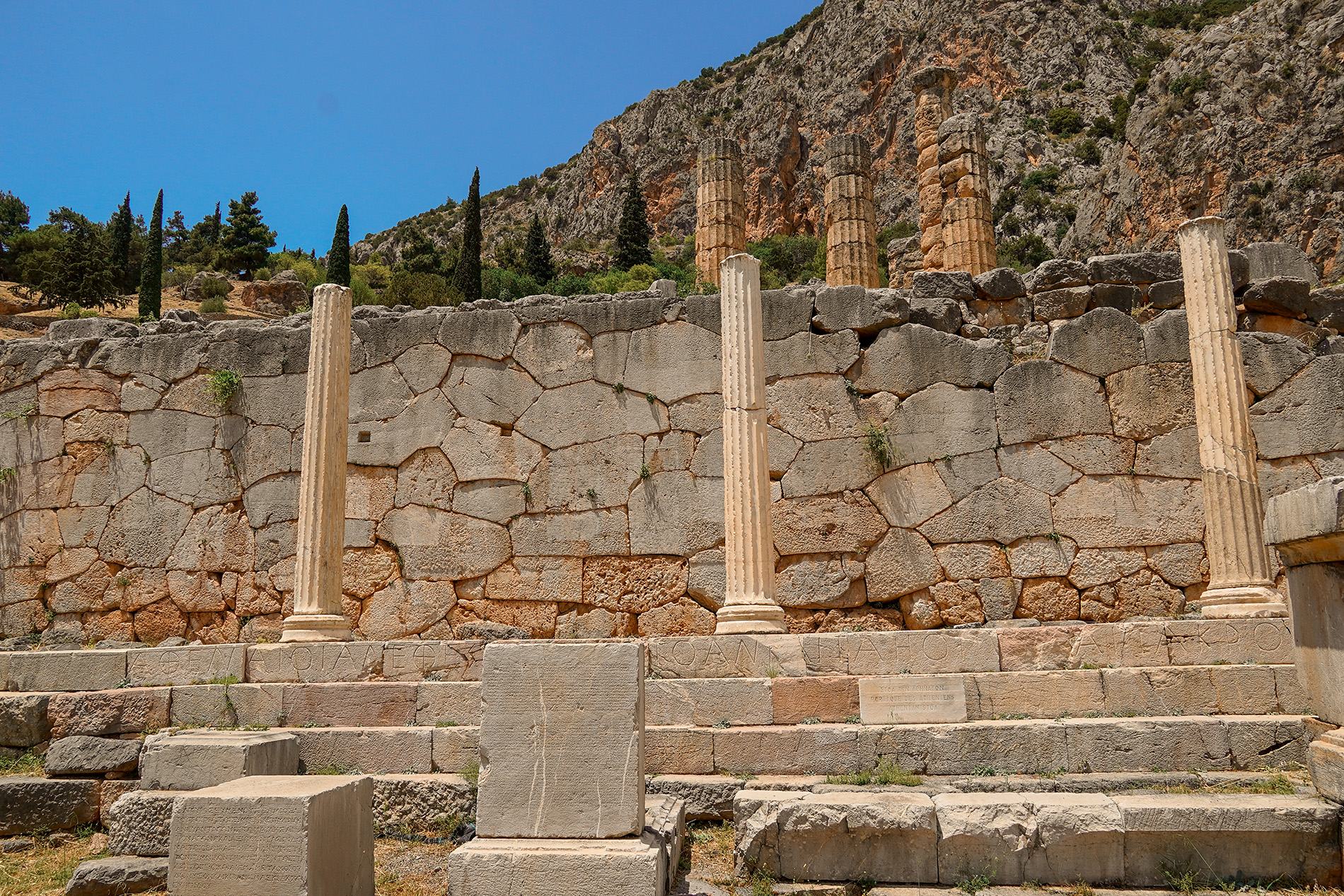
According to legend, Delphi was marked by the stone Zeus cast down from the heavens, the same stone that was used to trick the monstrous titans, a metaphor for human cleverness and the intelligence of the gods. This pilgrimage site has been famous for its purifying waters and the prophetic power of the oracle for more than three thousand years.
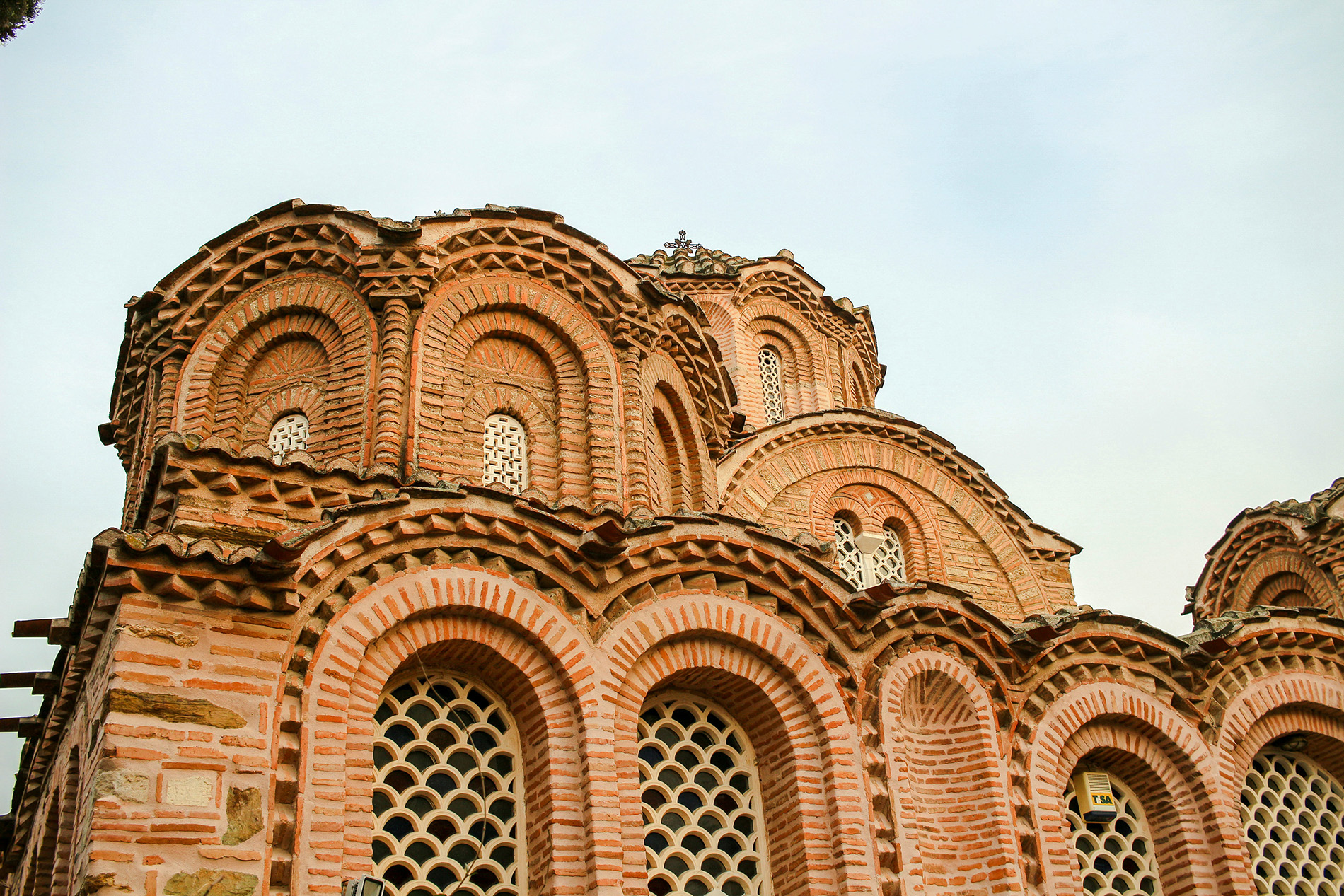
Nestled below Mount Parnassus, the birthplace of the muses, the view of the surrounding mountains is truly glorious. Here, we’ll explore the sanctuary of Apollo and its archaeological museum, considering the oracle’s place in Greek religious and political life. In the late afternoon, we’ll continue to Nafpaktos for the evening.
Transportation: 4.5 hours
Walking: 2 miles
We’ll depart early this morning for Ancient Olympia, visiting one of the great wonders of the ancient world: the Temple to Olympian Zeus, a great symbol of Pan-Hellenic unity and cultural identity in an era of fragmented city states.
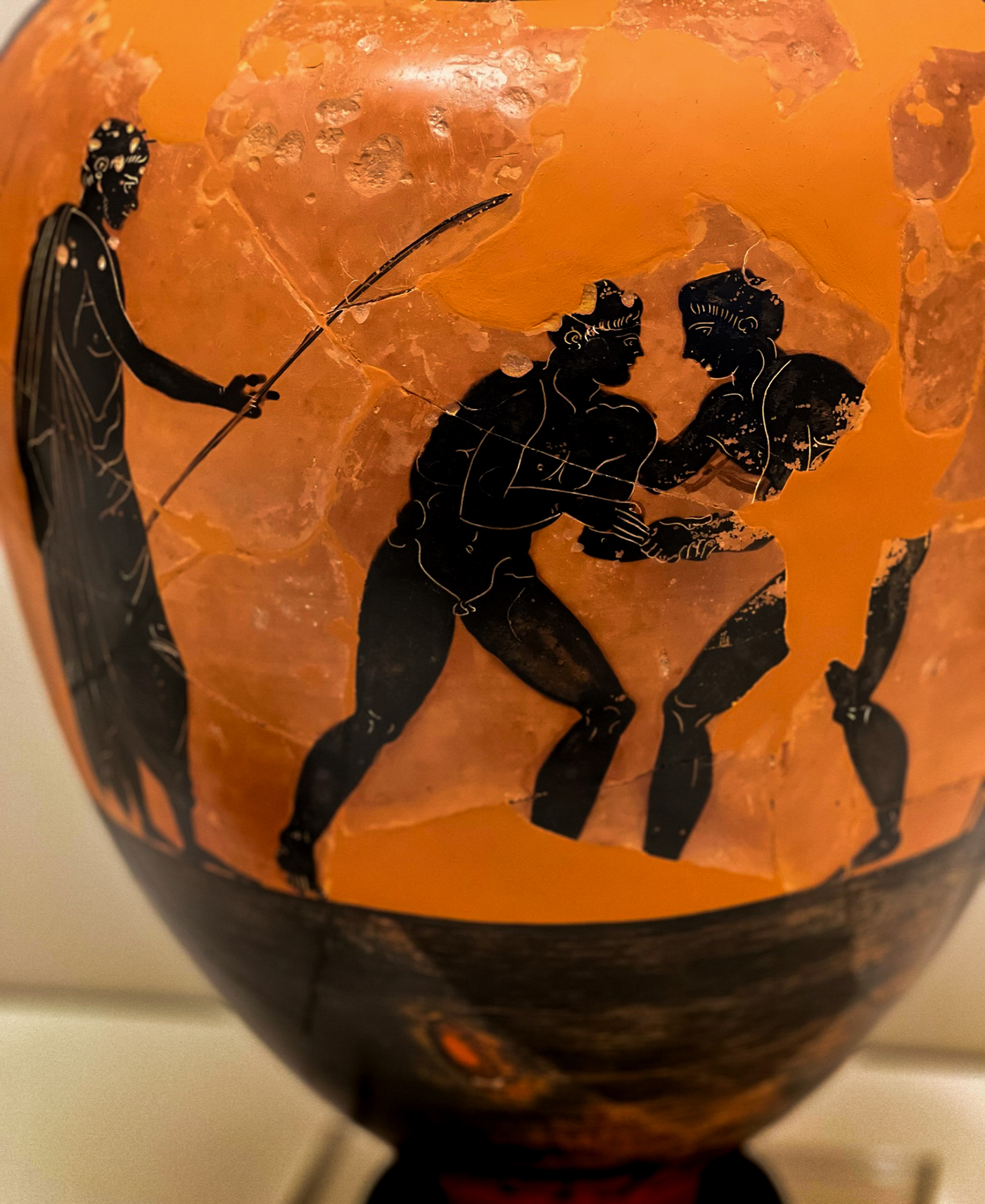
Here you'll observe a cycle of participation where individual merit and excellence gave rise to conceptions of fairness and democracy, and where people put aside their differences to compete—not in battle, but in displays of arete, meaning virtue or greatness.
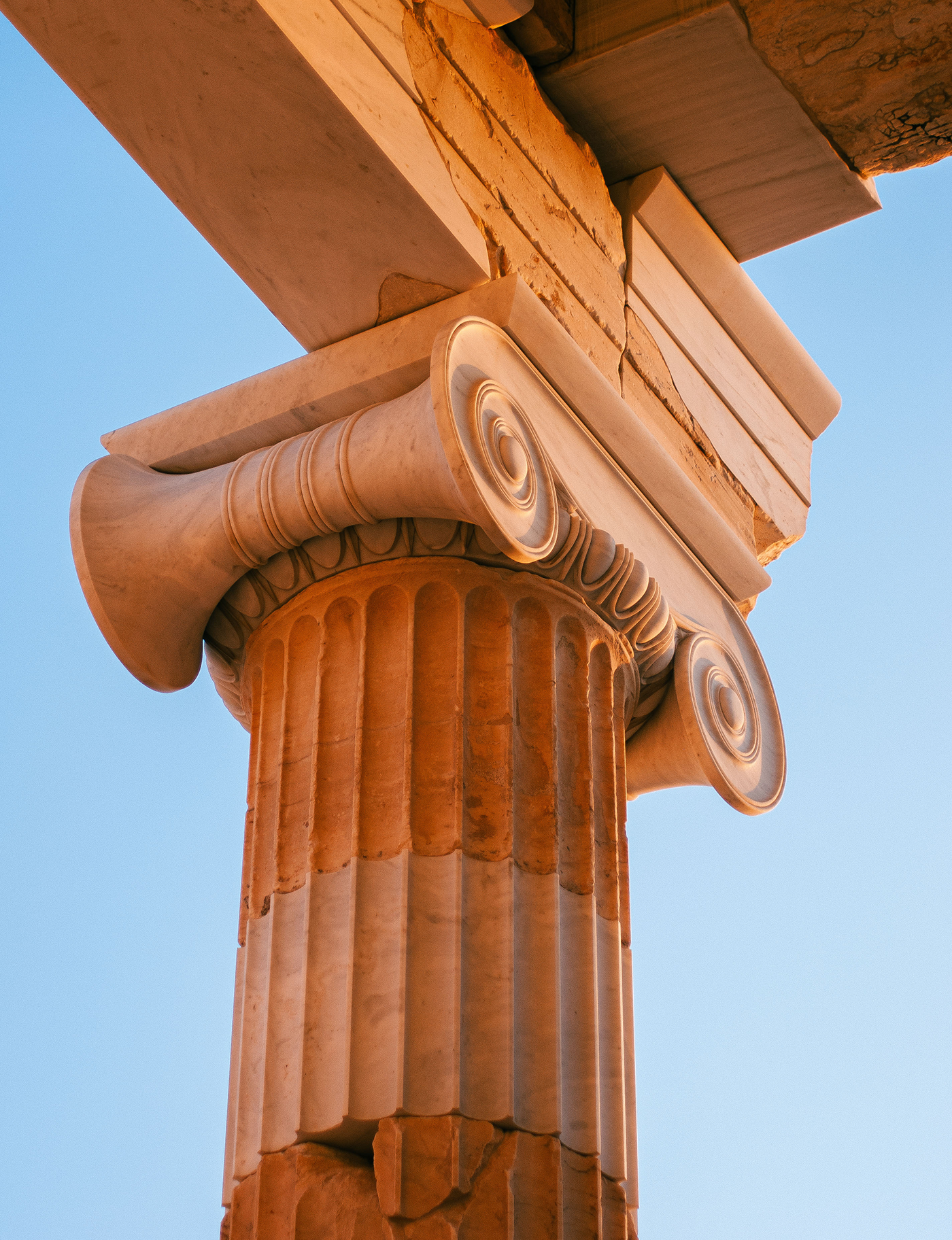
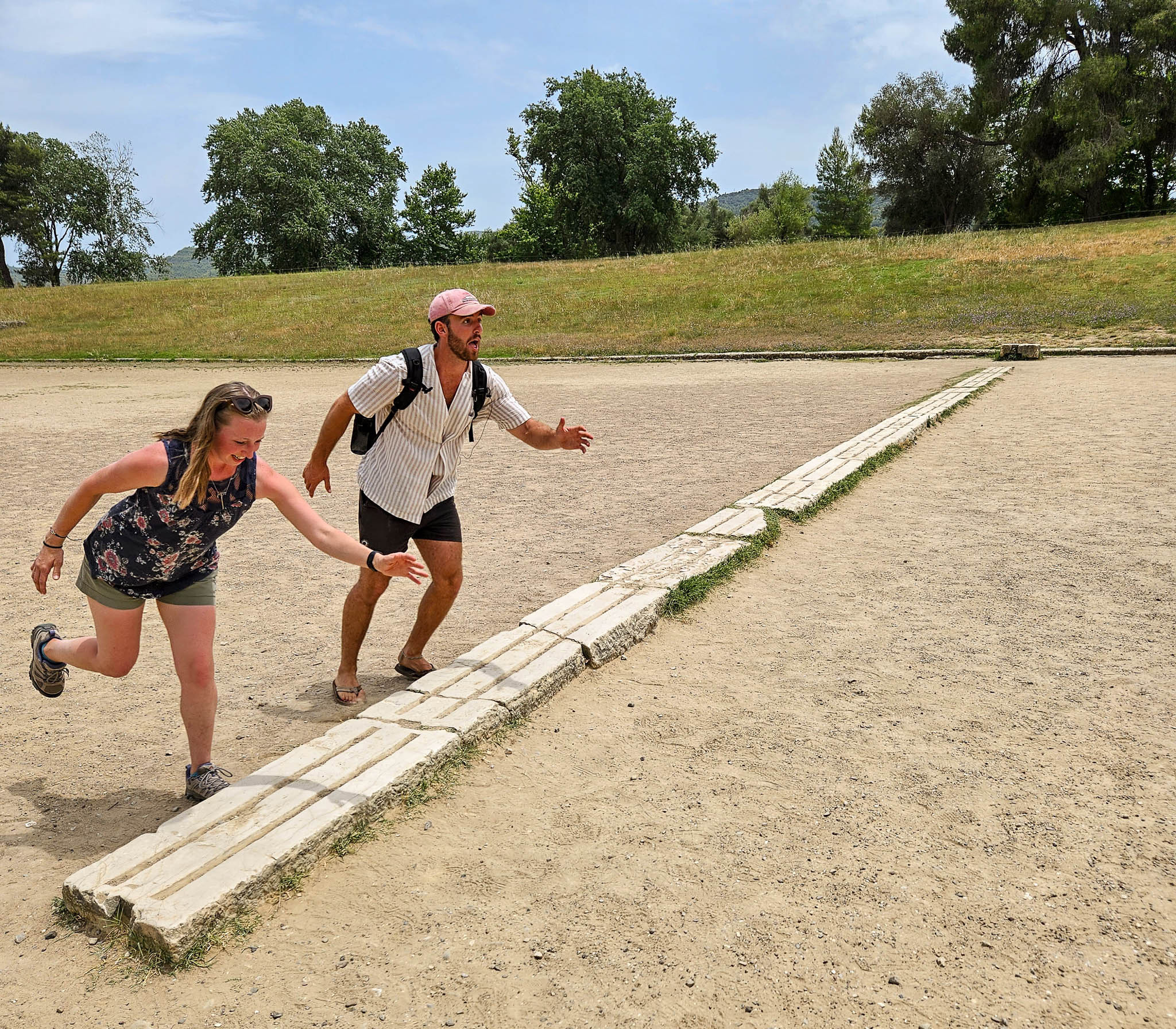
We’ll marvel at the magnificent Doric columns of the sanctuary before continuing to the stadium, starting line, and natural embankments that played a crucial role in religious festivals and civic participation. Those who wish to run on the track where victors raced for laurels and honor (rather than medals of gold and silver) may run on the stadium together in the spirit of the games. At the museum, we’ll populate our imaginations by examining sculptures such as Nike of Paionios and the world’s richest bronze collection. Afterward, we’ll continue across the Peloponnese to settle into our hotel in Nafplio, the first capital of the modern Greek state.
Afterwards we travel on to Bassae, “The Parthenon of the Peloponnese” known for its unusual North-South Orientation. Today the site is protected by a canopy tent where active architectural restoration is still unfolding, and visitors find themselves up-close and personal with the temple’s deceptively simple exterior peristyle. This evening we will arrive at our hotel in Nafplio, the first capital of the modern Greek state.
Transportation: 5 hours
Walking: 3 miles
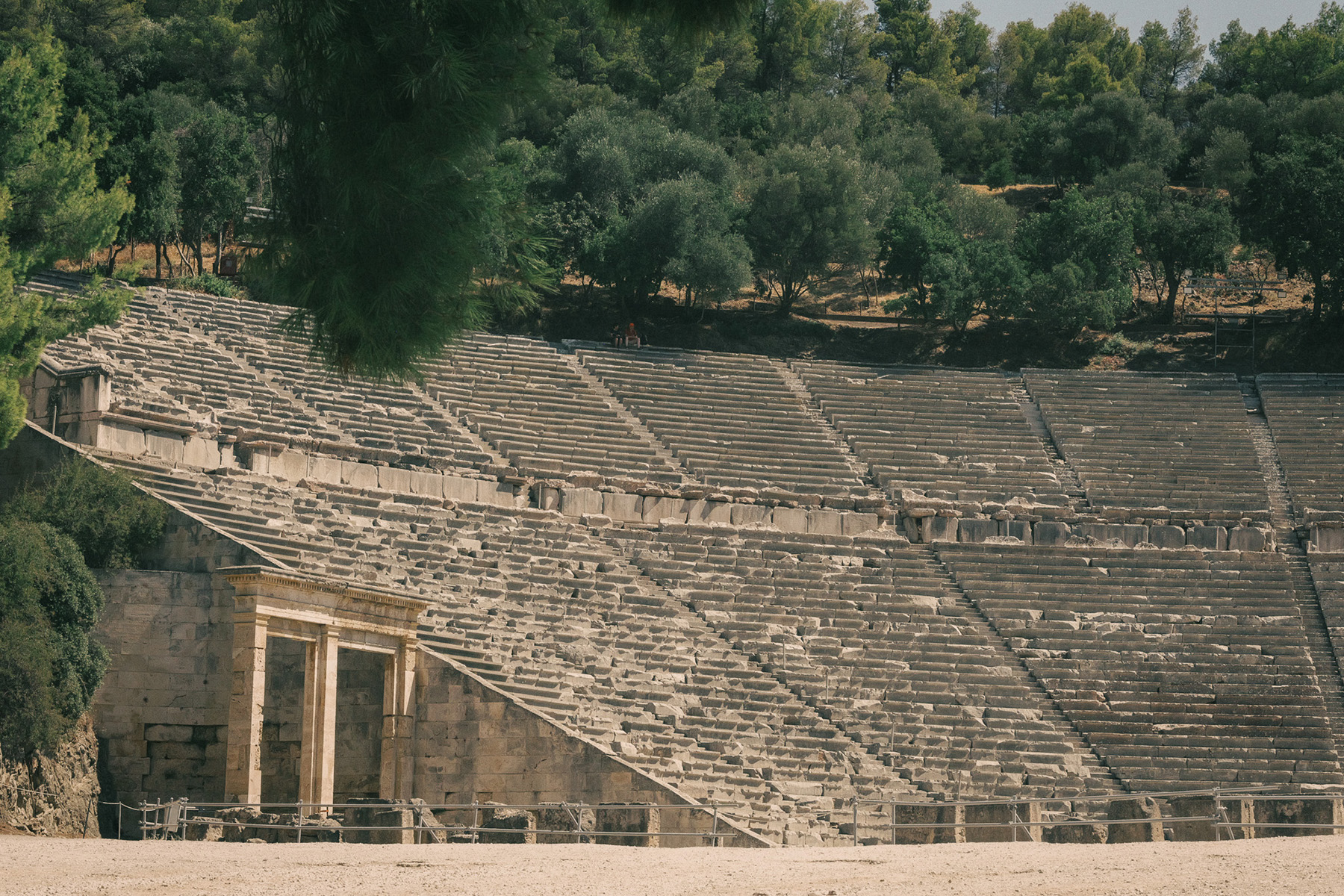
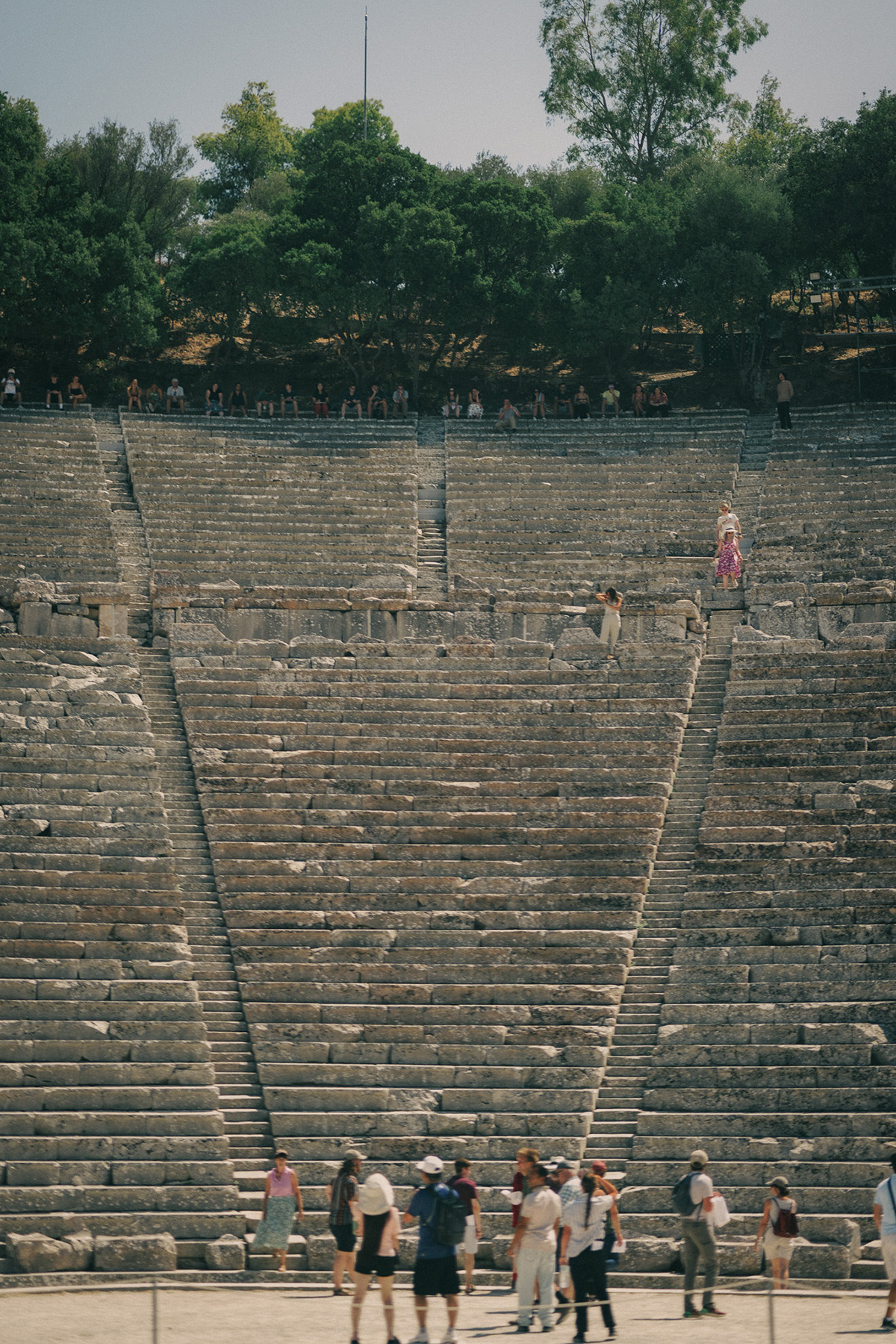
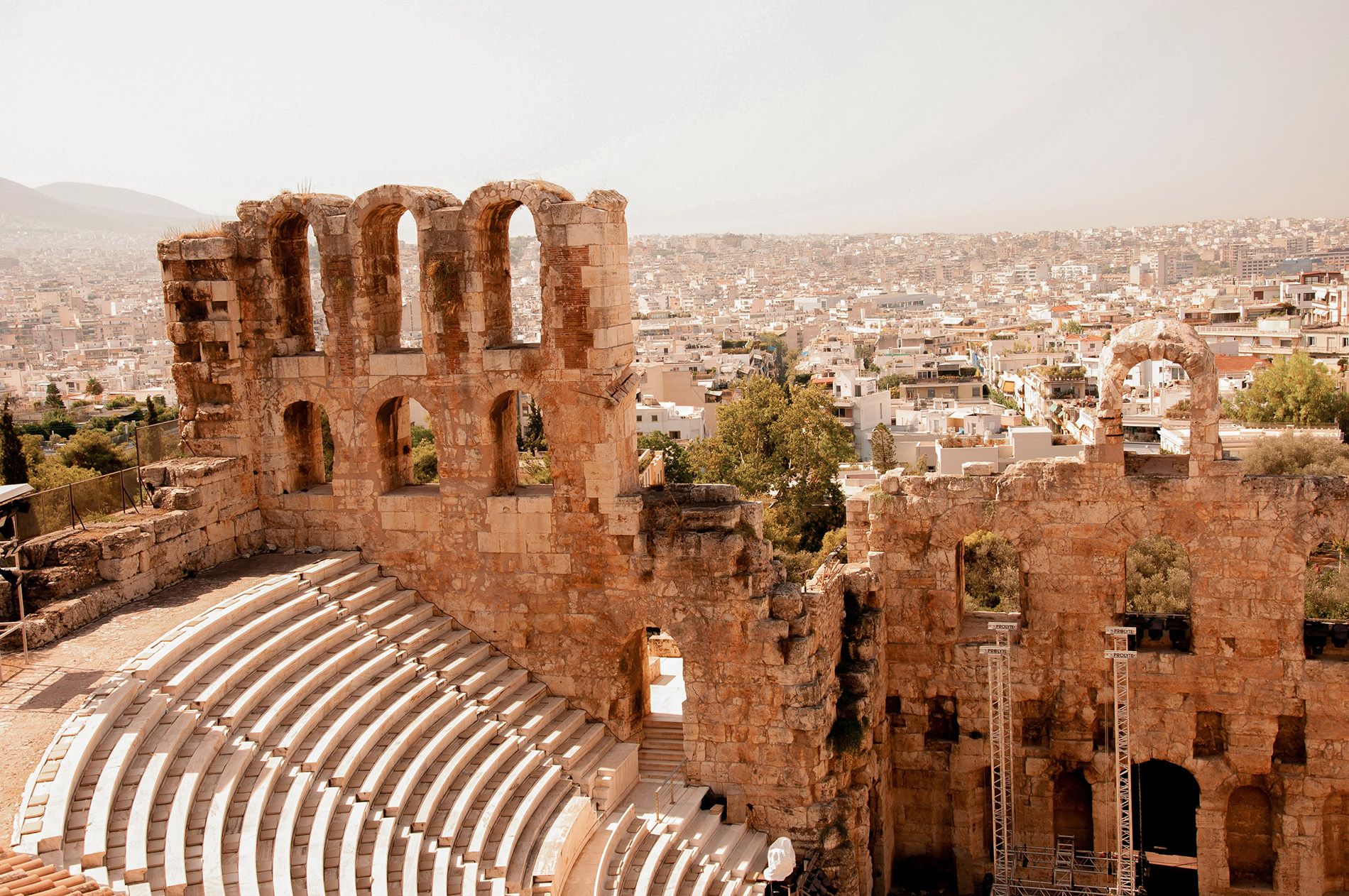
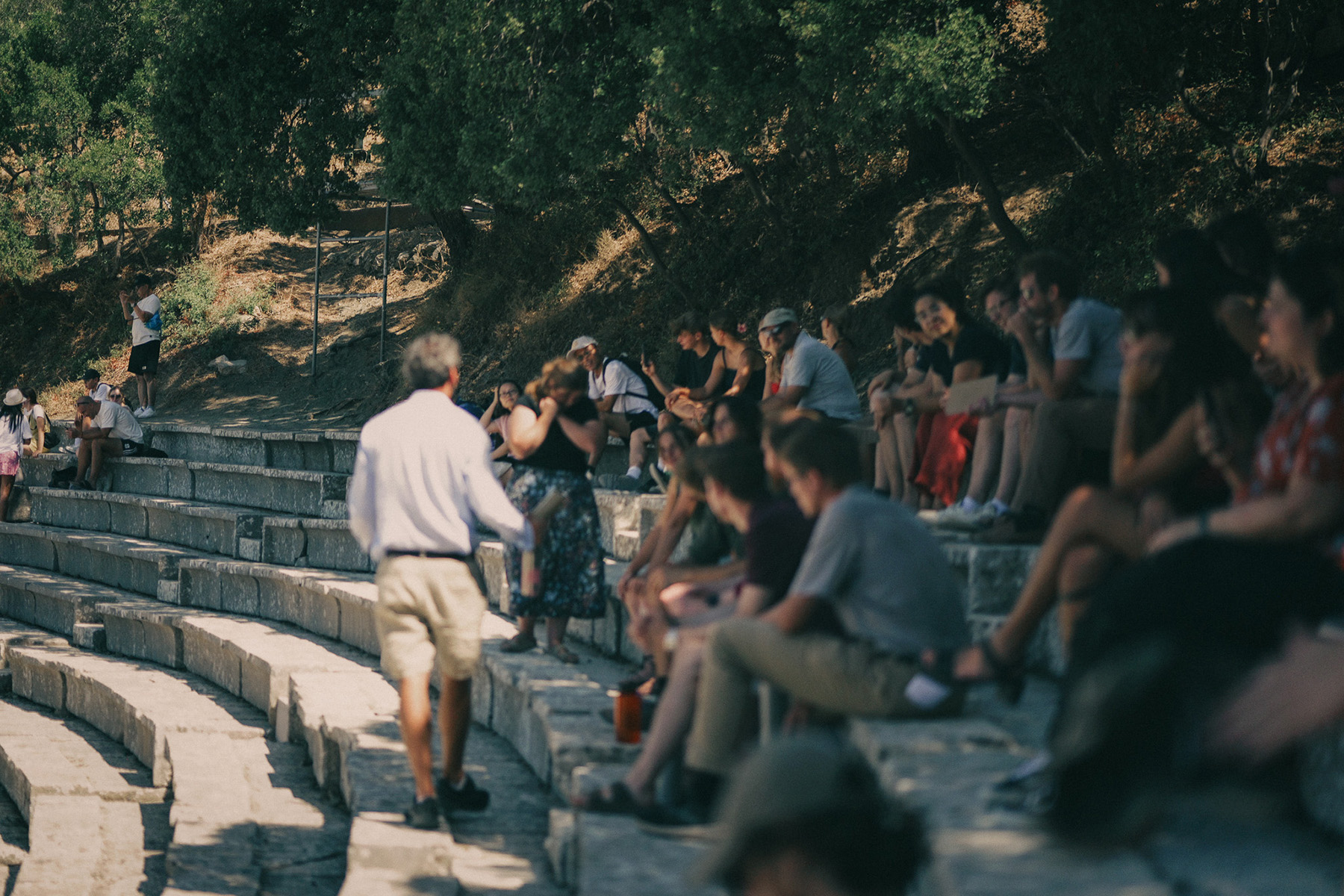
Today we’ll visit Epidaurus, home to the best-preserved ancient theatre in all of Greece. Renowned for its scale, symmetry, and astounding acoustics, this limestone auditorium was built at the same time Aristotle was writing Poetics, containing the first use of the word “catharsis,” or purification.
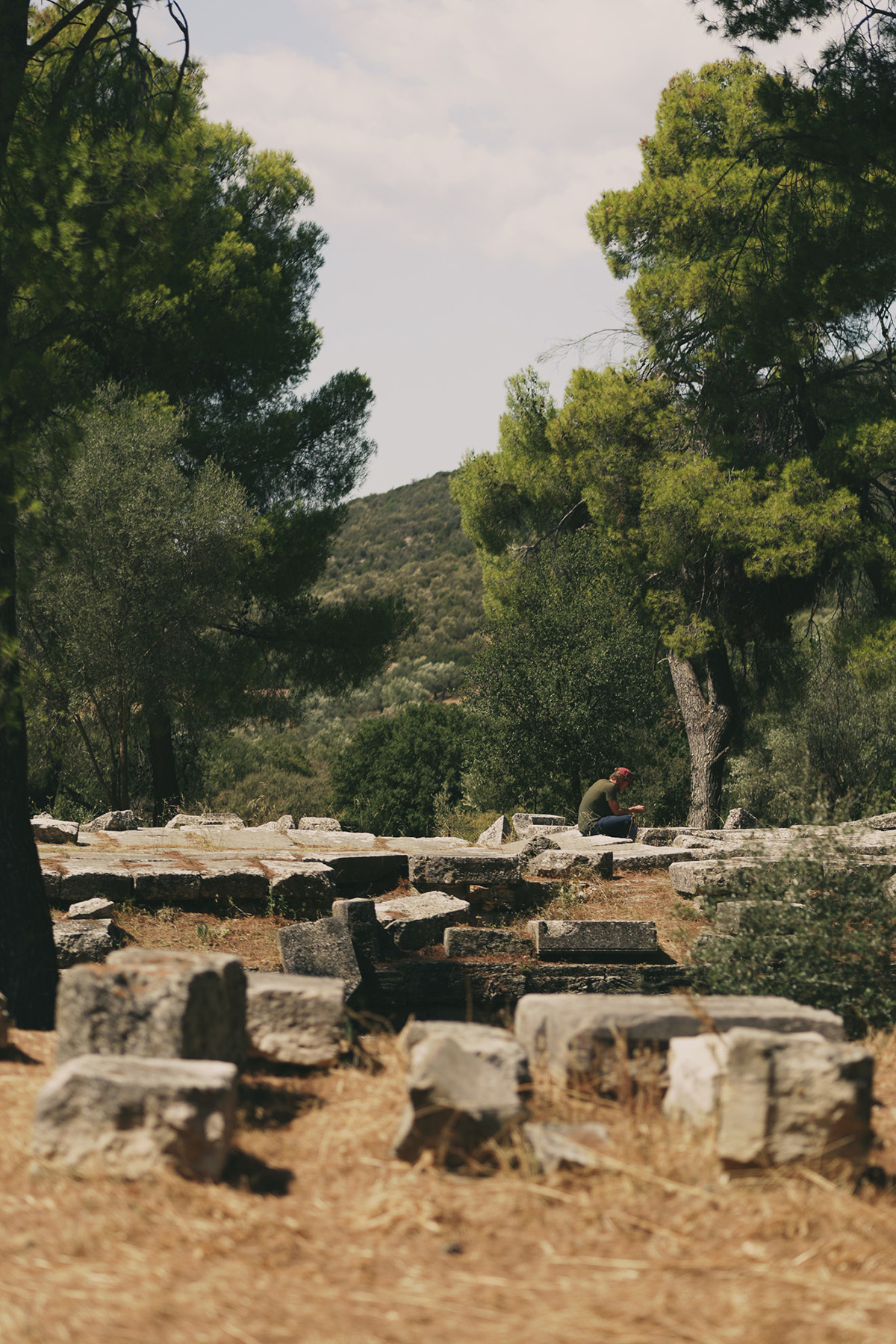
Just steps away, the sanctuary of Asclepius stands as a traversable relic of this idea in practice: people journeyed from across the Greek world to the Aesclepion seeking healing through cleansing of the mind, body, and spirit by means of physical exercise, innovative medicine, dramatic performances, and encounters with the divine in dreams.
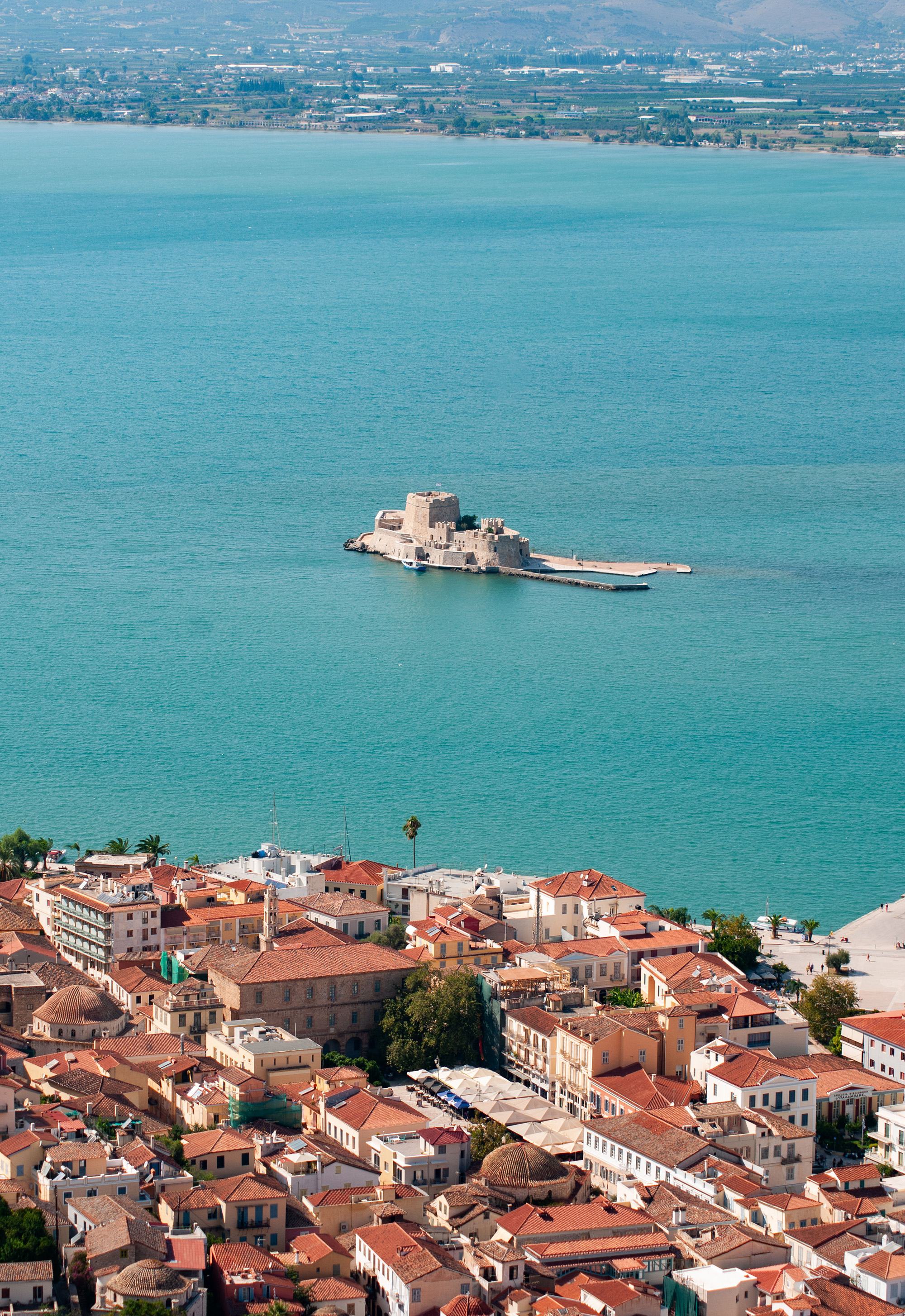
We’ll be able to walk the same path as these pilgrims and read their stories of healing, while also stopping at the only Greek temple with a fully-realized, three-part subterranean labyrinth integrated directly into its foundation, complete with a unique dual-order colonnade and massive stone entrance ramp. After exploring the sacred sites and museum of Epidaurus, we’ll return together to Nafplio for an afternoon exploring the Venetian old town and Palamidi fortress, or enjoying free time to discover the city on your own.
Transportation: 2.5 hours
Walking: 2 miles
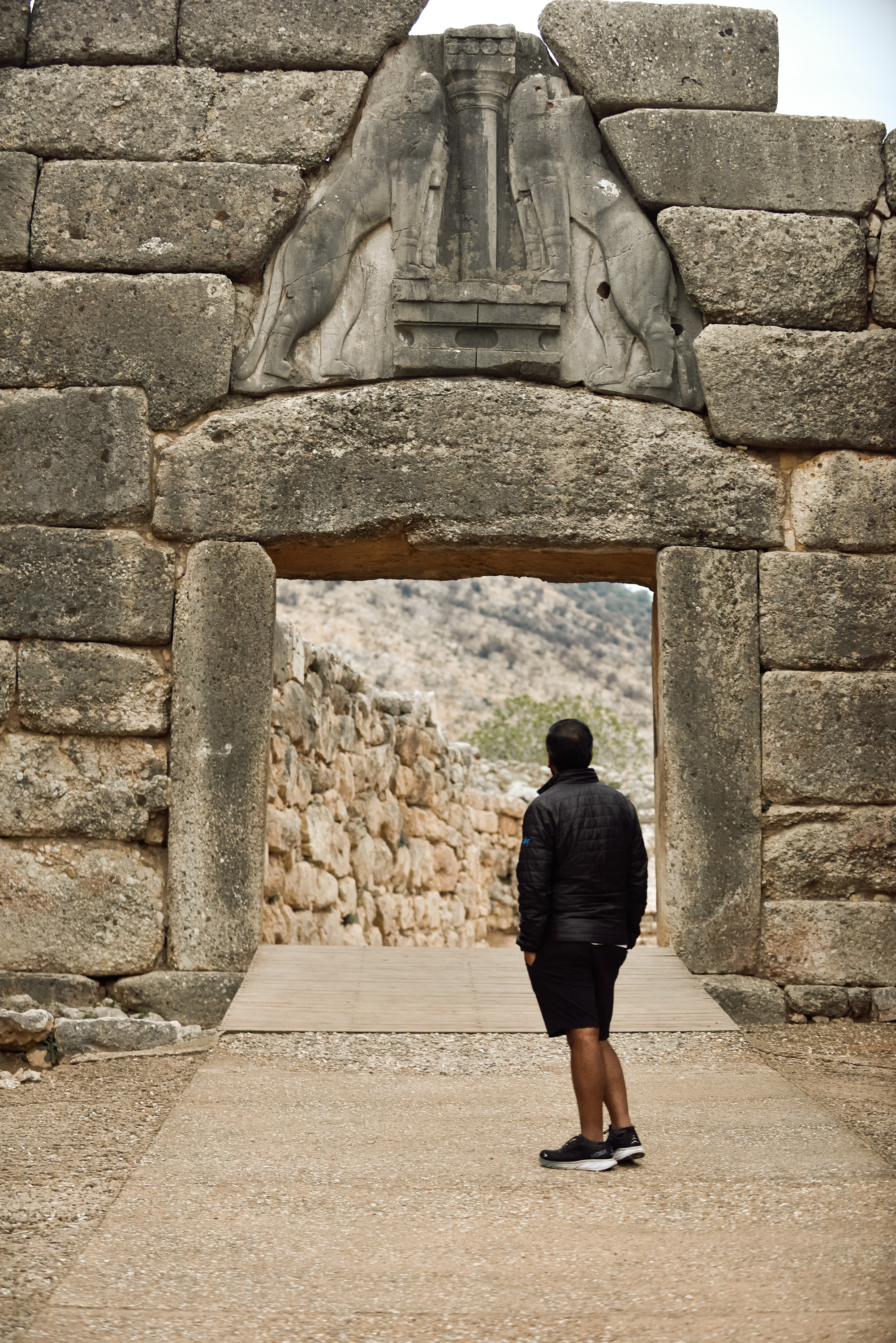
After checking out of our hotel we’ll journey to the legendary Bronze Age city of Mycenae, entering through the imposing Lion Gate, crowned by a triangular relieving space containing the oldest surviving monumental sculpture in Europe. Inside the massive cyclopean walls, built with technology later forgotten, we will explore the masonry of the citadel, the axial layout of the megaron, the throne room, and the mysterious remains of the royal palace.
We’ll also visit the monumental beehive tomb, the tholos, known as the Treasury of Atreus or the tomb of Agamemnon. Here we’ll consider the collapse of the Mycenaean palace world and how, centuries later, Homer’s epics reimagined its heroic past and the lives of its powerful kings—helping to shape a shared Greek identity within the emerging world that would eventually give rise to classical Greece.
From here we’ll continue on towards Athens, stopping en route if time permits. When we arrive, we will check into our hotel and enjoy free time for the rest of the evening.
Transportation: 2.5 hours
Walking: 2 miles
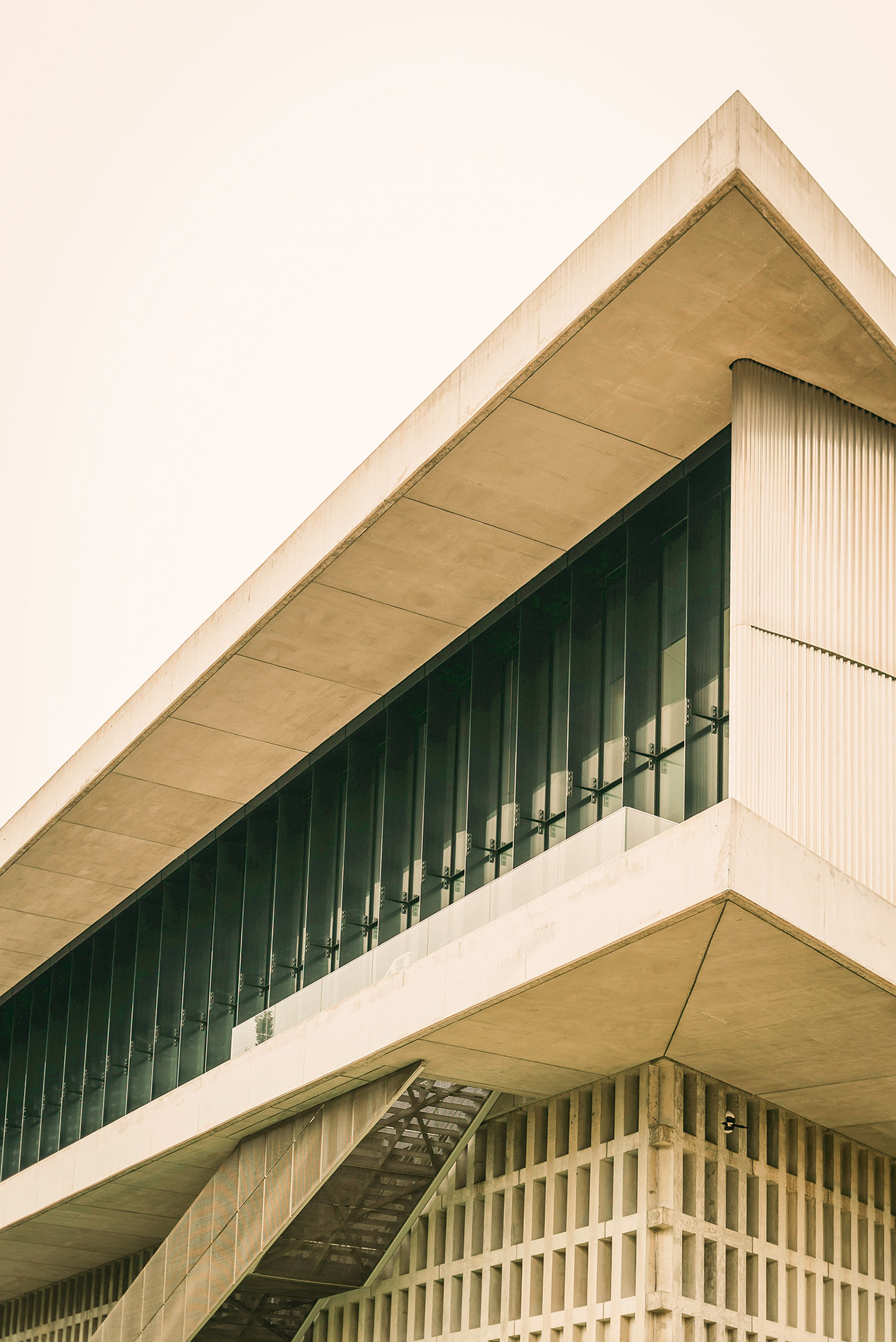
Our morning begins at the Acropolis Museum, where we will explore the sanctuary’s remarkable sculptures and architectural details while considering the ongoing debates surrounding the ownership and repatriation of ancient artifacts. Having encountered the artistic treasures that once adorned the Acropolis, we will then ascend the sacred hill itself. There, we will examine Pericles’ ambitious building program in the decades following the Persian sack of Athens—a monumental vision that proclaimed the city’s power, celebrated its civic identity, and honored its patron goddess, Athena.
As the afternoon light begins to fade, we will conclude our day on the Areopagus, or Mars Hill, the setting of one of the most memorable encounters in the New Testament. Drawing on Acts 17, we will reflect on Paul’s address to the Athenians, in which he engages the city’s religious traditions, philosophical culture, and devotion to the unknown god. Standing in the very place of this encounter, we will reflect on how Paul connected the world of classical Athens with the Christian proclamation of the true living God.
The remainder of the day is open for exploration.
Walking: 6 miles
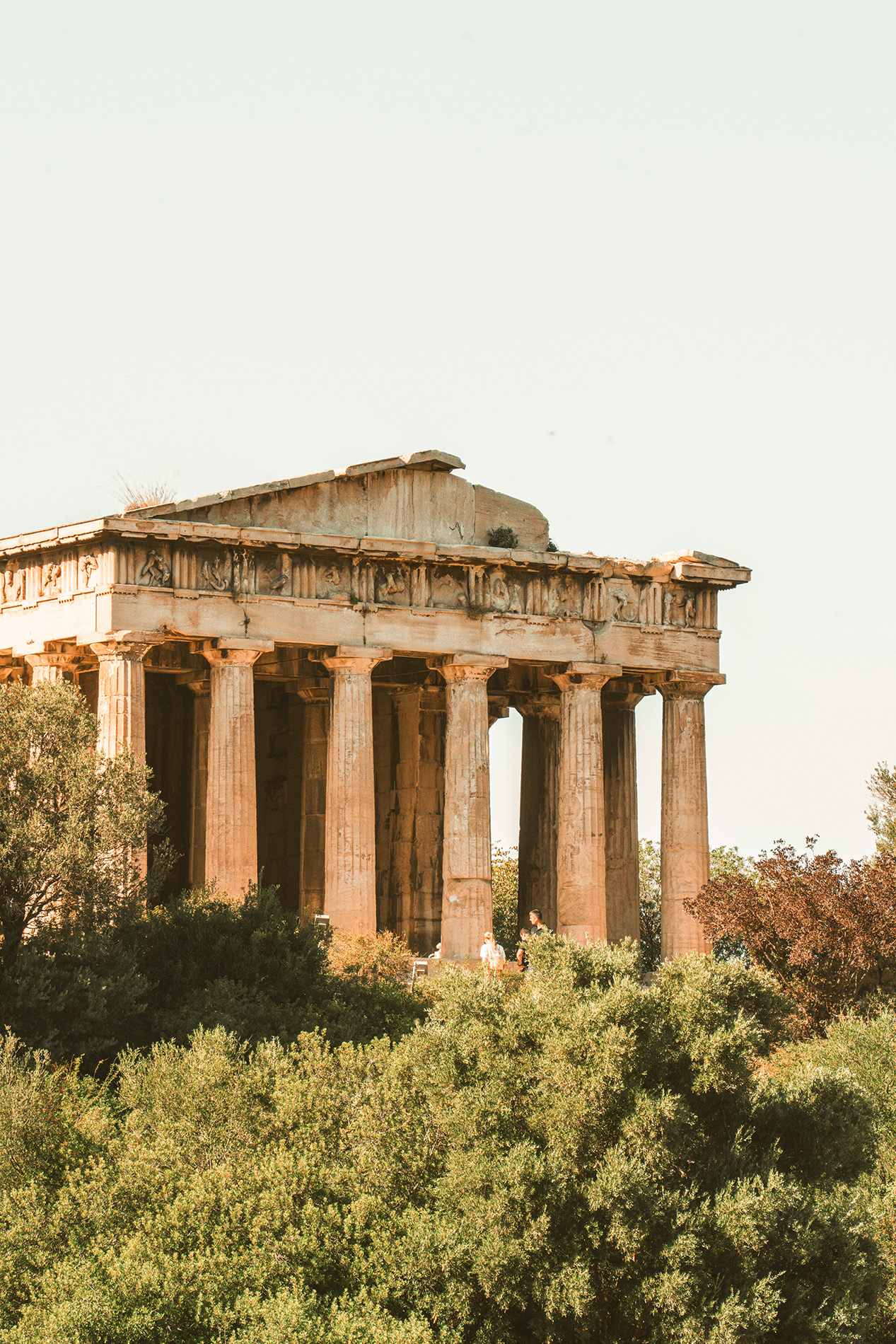
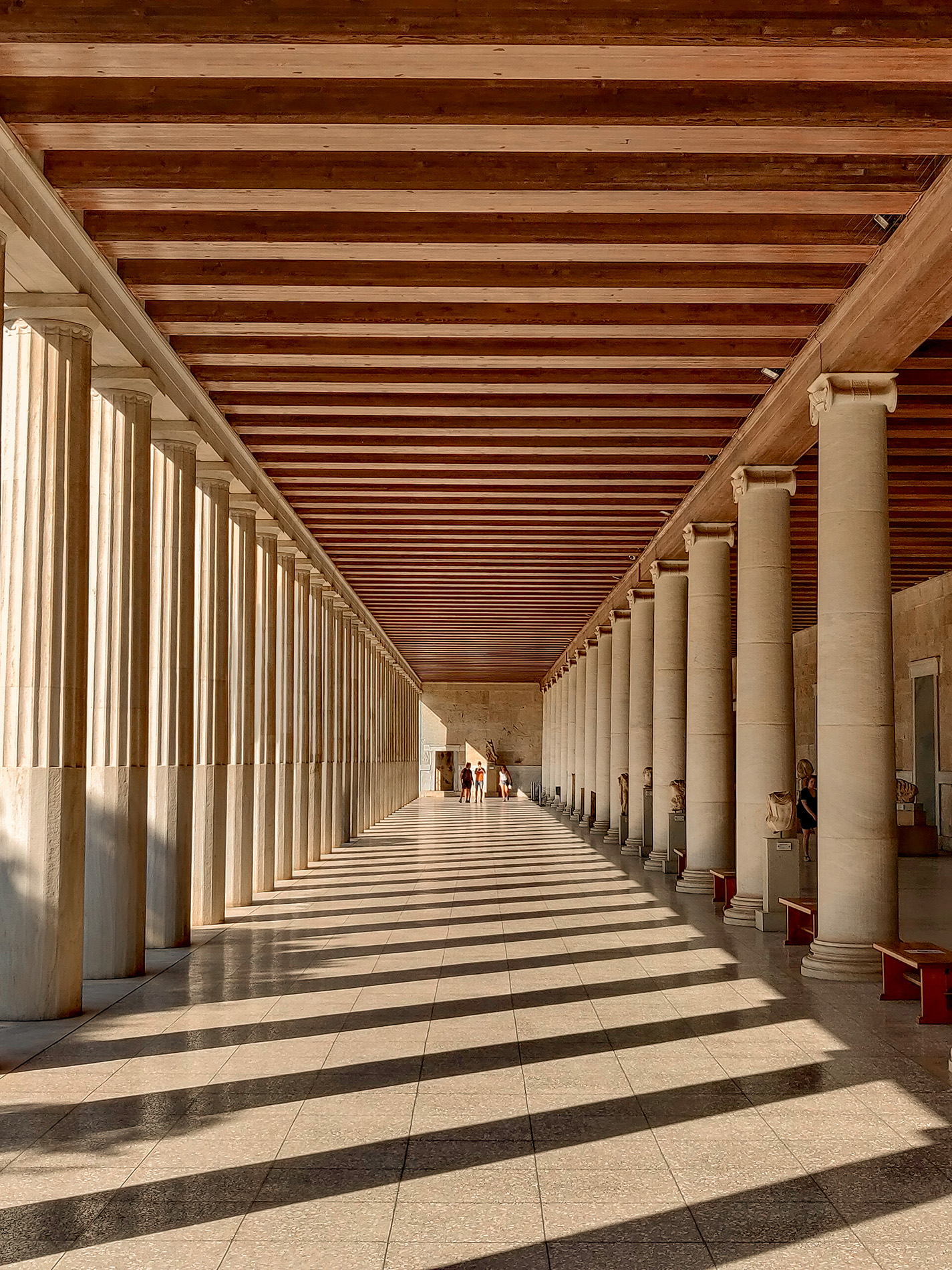
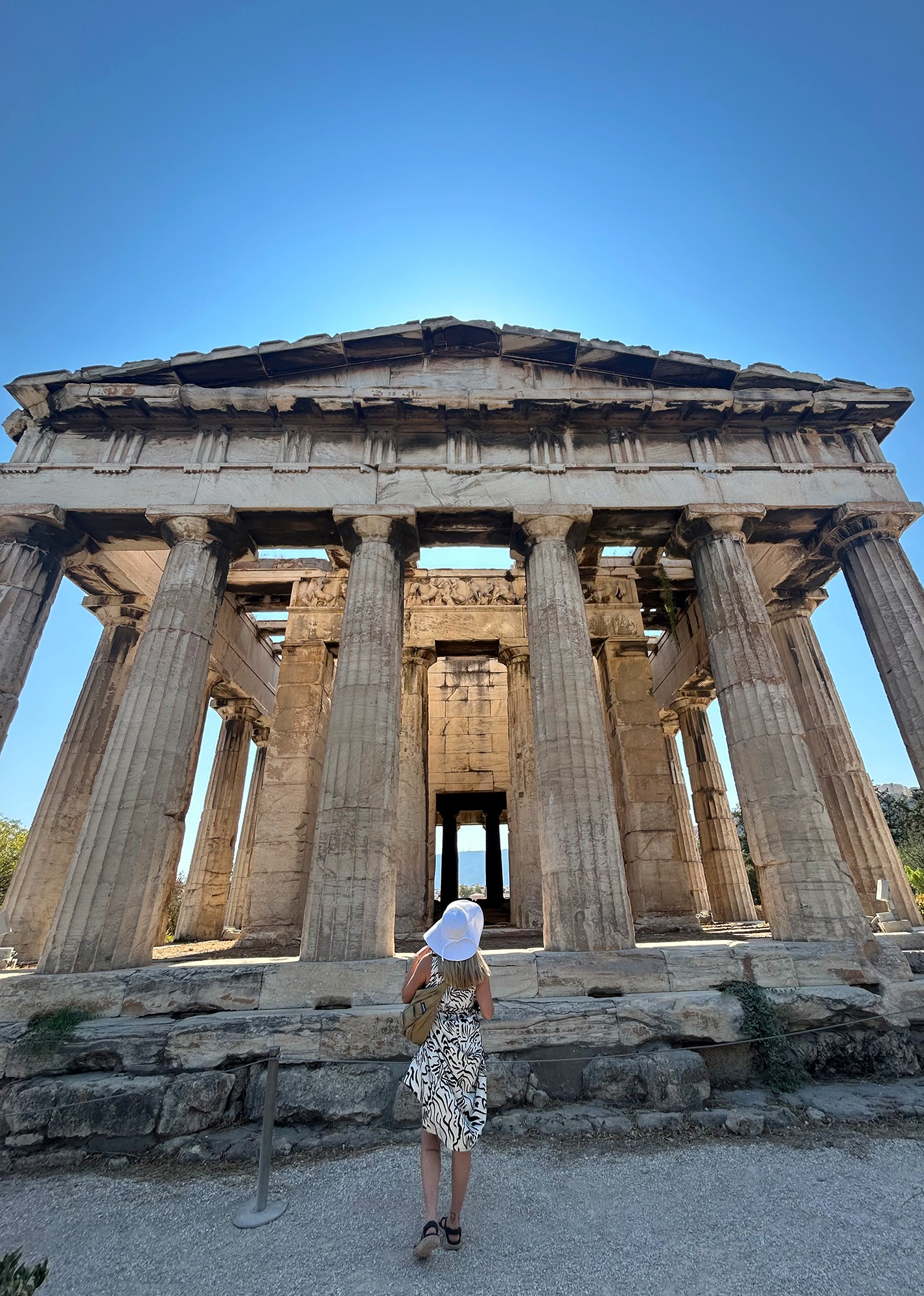
Our final full day begins in the Agora: the heart of ancient Athens and a vibrant center of commerce, civic life, and philosophical exchange. Here we will admire the remarkably well-preserved Temple of Hephaestus, one of the finest surviving examples of Doric architecture, as well as the reconstructed Stoa of Attalos, an impressive modern undertaking that brings to life the scale and character of the ancient marketplace.
Following free time for lunch, we will visit the National Archaeological Museum, where we will bring together the civilizations, artistic achievements, and cultural traditions encountered throughout our journey. Our visits to the Temple of Zeus and the Museum of Ancient Greek Technology will be arranged around their respective opening hours.
In the evening we will gather for a farewell dinner and savor the opportunity to reflect on the places, experiences, conversations, and shared discoveries that have shaped our journey through Greece.
Walking: 8 miles
After breakfast, the Athens airport is just a short ride away either by car or public bus. The hotel can help arrange transportation and we will embark on the Odyssean voyage homeward: oikade. As we take our leave of Greece for now, we will carry with us the stories, landscapes, edifices, and enduring ideas that guided us throughout our journey.
Transportation: Bus or taxi to airport, independently arranged


For further questions don't hesitate to reach out to us directly.

It is best to book flights leaving the day before the trip starts, as you will likely lose a day in transit. You will want to fly into Heraklion airport, which is a short ten-minute taxi to the hotel. Aim to arrive around noon so you have time to settle in before our first shared evening.
Yes! We are happy to accommodate vegetarian, vegan, gluten free, and other dietary needs. Before the start of the trip, we will send out a request for any allergies or dietary restrictions, and we will plan accordingly with the chefs to ensure safe and pleasant dining.
Hotel rooms will be double occupancy, meaning two male or two female students per room.
Credit cards, debit cards, and Apple Pay are accepted nearly everywhere in Greece. Some travelers may wish to carry a small amount of Euros as well, since a few small shops may only accept cash. Euros can be obtained Stateside through your bank, or cash can be exchanged at the airport for a fee. ATM’s are available as well, but fees may vary; contact your bank before departure to ensure international transactions are not flagged.
We’ll send a more comprehensive packing list prior to departure, but in general, you should bring enough clothes for the journey, including good closed-toed shoes or athletic sandals for walking, sweaters and a jacket, and comfortable, enjoyable outfits for excursions and meals.
The hotels and many cafes are equipped with WiFi, which many travelers find is sustainable for a short trip. If you wish to purchase data, check with your carrier to see what international plans are offered. Alternatively, a Greek SIM may be purchased on the ground, or e-SIMs may be purchased ahead of time on apps such as Airalo. To use an international SIM card, your phone must be “unlocked” by your provider, which you can find in your settings. Please note that Greece requires a Type C port for charging electronic devices. Keeping your phone on airplane mode and using only WiFi will ensure no charges for data roaming.
Starting in late 2027, U.S. citizens may be required to obtain an ETIAS travel authorization before entering Europe. ETIAS is a simple online application, with responses typically issued within 96 hours. Once approved, it is electronically linked to your passport. ETIAS is not yet in operation, but it is expected to be introduced in the coming year. We will keep you updated on whether ETIAS will be required for your travel dates, and send a reminder to complete the application if it becomes necessary.
To apply, please visit: https://travel-europe.europa.eu/etias
Deposits are fully refundable for 30 days. Monthly payment plan options are in place, or custom plans are available upon request. If you have any billing questions or concerns, feel free to write to us at explore@alitheatravel.com



