

An intensive educational program for teachers and administrators in classical education. Over the course of ten days in Umbria, Florence, and Rome, participants will encounter places, texts, and works of art that have helped shape the classical and Christian culture of the West.
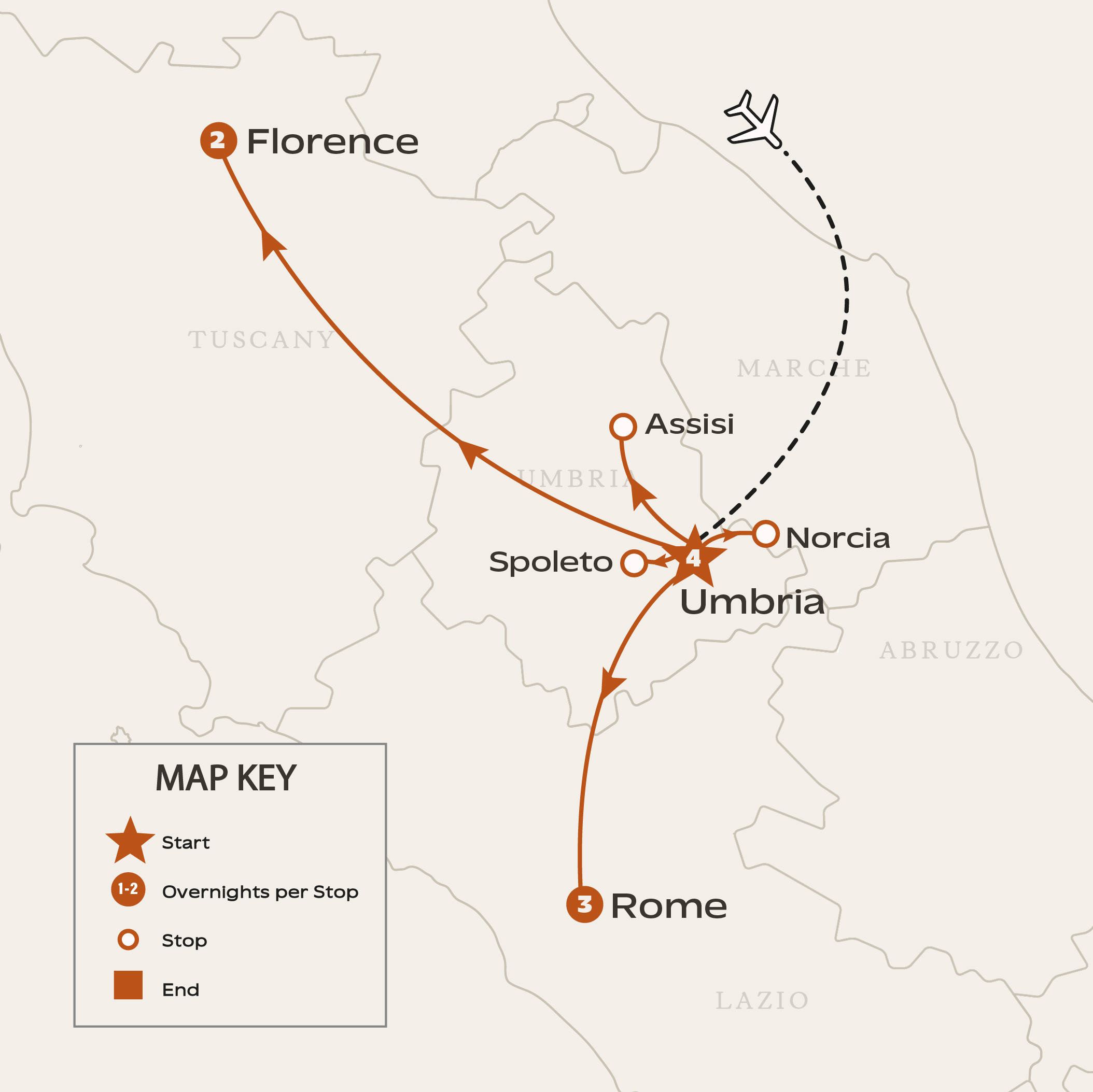
Teaching a Classical Education, is conceived as a path through some of the places that have most profoundly shaped the classical and Christian culture of the West. Umbria, Florence, and Rome — the geographical heart of Italy — are not simply destinations along an itinerary, but true places of learning, where texts, works of art, architecture, landscapes, and traditions invite us to reflect on the very meaning of education. Over the course of these days, they will become the chapters of our book.
The central theme of Teaching a Classical Education is the formation of a life of knowledge and virtue. Beginning with the Benedictine tradition, participants will be invited to reflect on the role of discipline, community, and daily practices in the formation of character. Virtue is thus approached not simply as a concept to be understood, but as a disposition cultivated over time through practice and participation in a shared way of life. This perspective raises questions that are central to education: what does it really mean to form a person? What role do the practices, rhythms, and culture of a school play in the formation of its students? And what can teachers communicate through their own concrete way of life — through the way they inhabit knowledge and the school community — beyond what is communicated through texts?
Knowledge as Experience and Living Tradition
We will arrive in Umbria and settle in at the Abbey. For centuries, monastic communities have been places of prayer, study, hospitality, and human formation. The Abbey therefore offers an ideal setting in which to reflect on how knowledge can become a shared practice and a way of life.
At 4:00 p.m., we will gather with host professor Dr. Anna Corrias for an orientation and introduction to the journey.
Guiding Questions
- What is the difference between transmitting information and forming a person?
- How can inhabiting a physical place transform our understanding of what we usually encounter only through texts?
Virtue as Habit and a Way of Life
Departure from the Abbey for Norcia, the birthplace of Saint Benedict. We will explore the Benedictine tradition and the Rule of Saint Benedict as a model of human formation rooted in community, discipline, prayer, work, humility, and balance. Written in the sixth century, the Rule became one of the foundational texts of Western monasticism. Rather than presenting virtue primarily as an abstract idea, it sets out a way of life in which character is shaped through repeated practices: listening, obedience, humility, silence, prayer, work, reading, hospitality, and responsibility toward others.
The Benedictine tradition, often summarized by the later expression ora et labora — “pray and work” — invites us to consider virtue as something gradually cultivated through habits and participation in a community.
In the afternoon, we will continue to Spoleto to visit the Cathedral of Santa Maria Assunta. Its Romanesque setting and extraordinary artistic heritage offer a striking encounter between medieval Christianity and Renaissance art. In the apse, we will encounter Filippo Lippi’s final great work, the magnificent fresco cycle devoted to the Life of the Virgin, including the Annunciation, Nativity, Dormition, and Coronation of the Virgin.
We will return to the Abbey in the late afternoon.
Guiding Questions
- Can virtue be taught, or must it be cultivated through practice?
- What can an image teach that a written text cannot?
- How can art and beauty educate perception and moral imagination?
Knowledge Embodied: When a Life Becomes a Teaching
In the morning, we will depart from the Abbey for Assisi. There, the lives of Saint Francis and Saint Clare offer powerful examples of ideas transformed into concrete ways of life. The city itself becomes part of the experience: its churches and surrounding landscape preserve the memory of a spiritual movement whose influence extended far beyond medieval Umbria.
The morning will focus on the Basilica of Saint Francis, where we will encounter an extraordinary relationship between theology and spiritual formation. The Basilica brings together some of the most important achievements of medieval Italian painting, with works associated with Cimabue, Giotto and his workshop, Simone Martini, and Pietro Lorenzetti.
In the afternoon, we will continue to the Basilica of Saint Clare. Attention will turn to Clare of Assisi and the female religious community that developed around her at San Damiano.
Questions and Reflections
Asceticism as a Form of Life
Francis and Clare also invite us to reflect more broadly on asceticism as a form of life. This opens a fruitful comparison with forms of askesis found in Greek philosophical traditions. Rather than assuming a simple continuity between Greek and Christian asceticism, we will consider both their similarities and their differences.
The Canticle of the Creatures: Cosmos and Creation
The Canticle of the Creatures provides another key to Franciscan thought. Its sequence of creatures presents, in miniature, an ordered vision of reality, moving from Brother Sun, Sister Moon, and the stars to Brother Wind, Sister Water, Brother Fire, and Mother Earth. Together, they form a vision of the cosmos in which the human being is also a creature, situated within a larger order. The Canticle therefore opens another important comparison between classical and Christian thought: the Greek idea of kosmos and the Christian idea of creation. The Greek term kosmos evokes order, harmony, and intelligibility. Christian thought likewise understands the universe as ordered and intelligible, but approaches it as creation: a reality whose existence is received.
Guiding Questions
- How can ascetic practice become a form of contemplation?
- What similarities and differences emerge between Greek and Christian forms of askesis?
- What changes when we think of the world not simply as “nature,” but as “creation”?
- How does the Greek idea of kosmos as an ordered and intelligible whole compare with the Christian understanding of a created cosmos?
- Can renunciation become a way of learning to see and inhabit the world more attentively?
From Knowledge to Formation
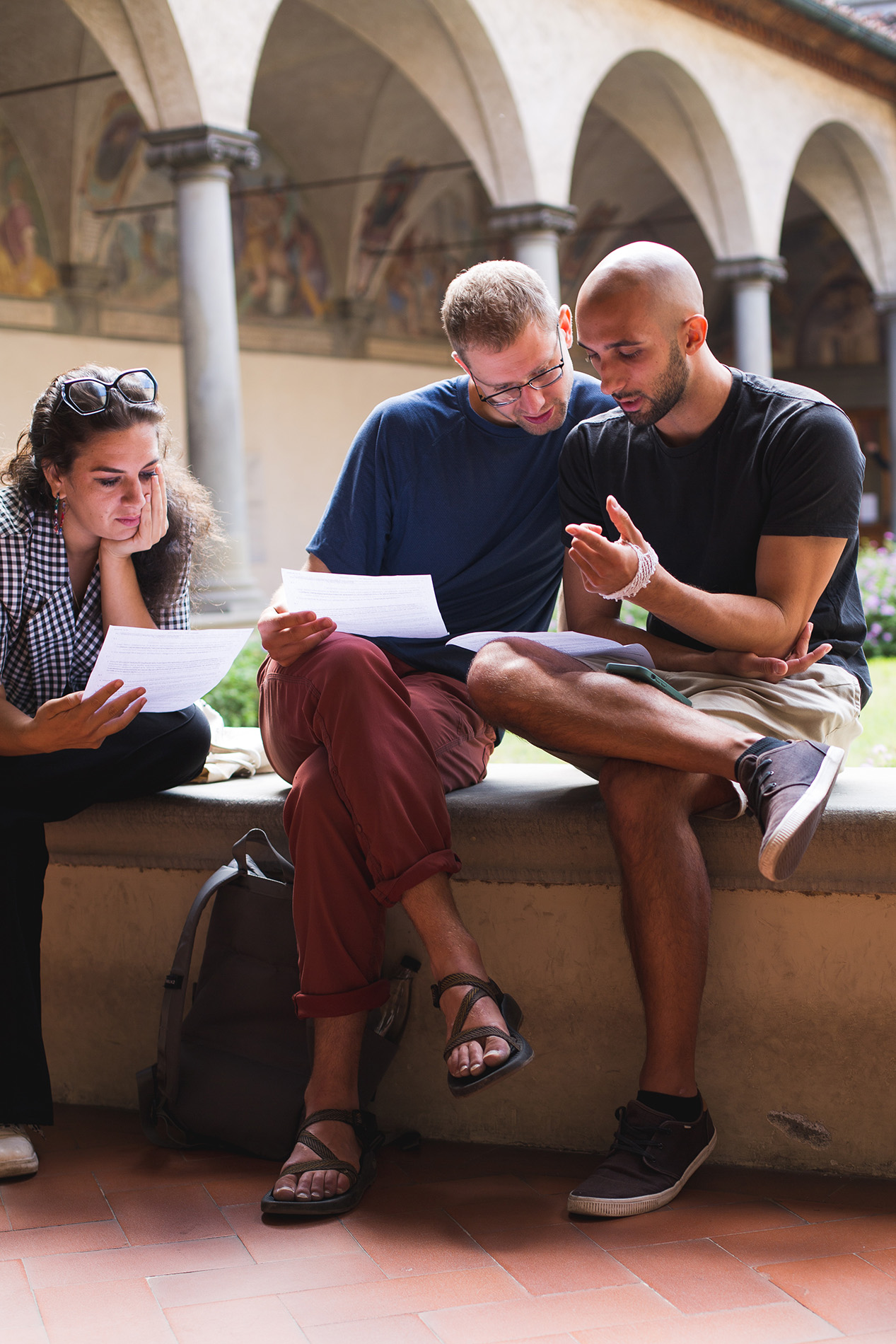
Led by Dr. Anna Corrias, the day will be dedicated to seminars and conversation, revisiting some of the central themes of the journey. It will also provide an opportunity to consider how the experiences of the first part of the program might relate to contemporary schools and educational communities.
Discussion will focus on questions such as:
- How can schools contribute to the formation of character?
- What role can habits and communal practices play in education?
- How can a school become a community oriented toward truth, goodness, and beauty?
Florence: Beauty, Strength, and Virtue
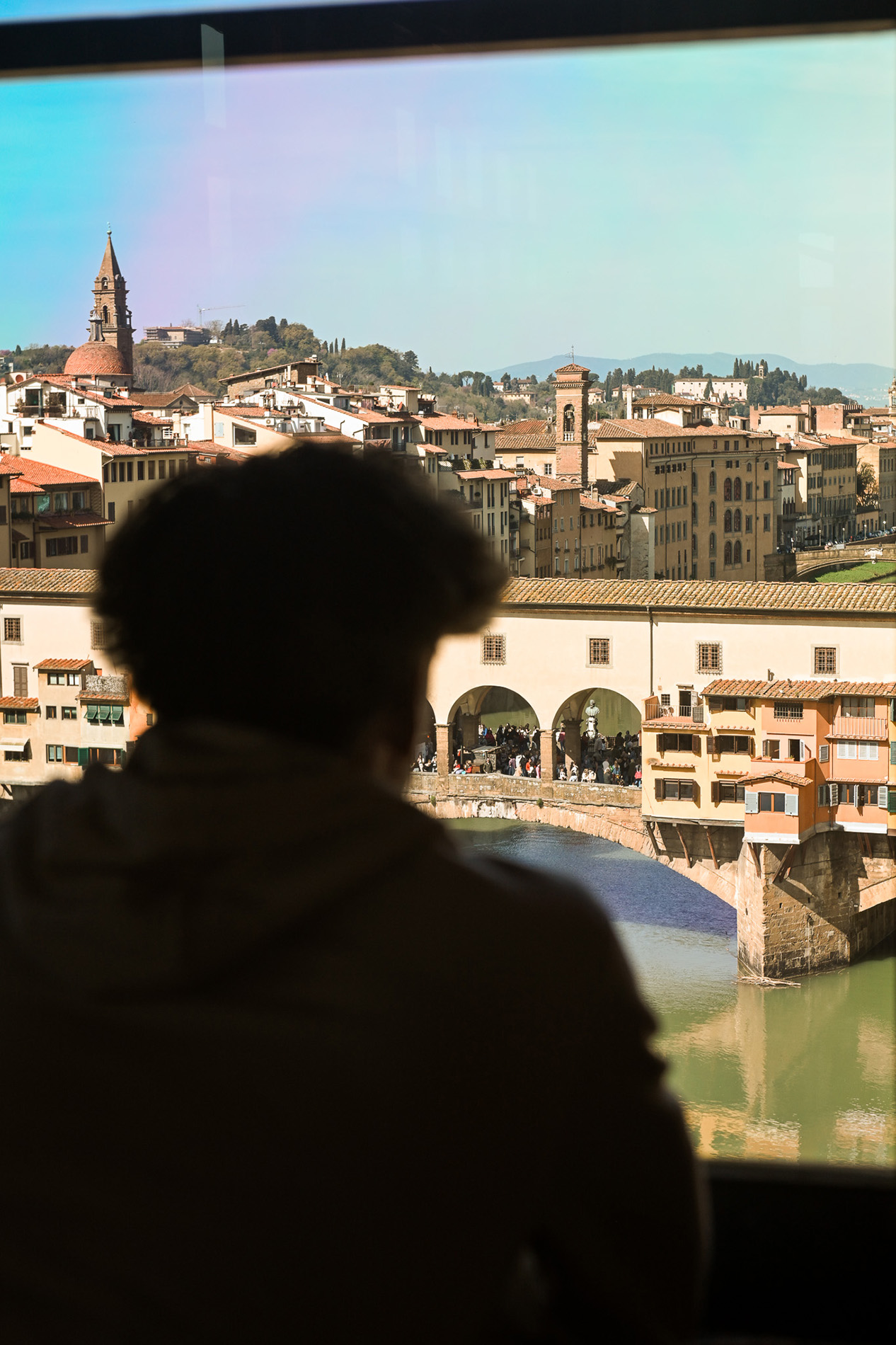
In the morning, we will depart from the Abbey and travel to Florence. Upon arrival, participants will check in and settle into their accommodations. After lunch on their own, we will meet for a walking tour through the historic center of Florence led by Dr. Anna Corrias.
In the afternoon, we will visit the Galleria dell’Accademia and Michelangelo’s David. The sculpture will offer us an opportunity to reflect on courage, human dignity, and excellence. Its representation of the human body will also open a broader conversation about the Renaissance recovery of classical ideals and their reinterpretation within a Christian and civic culture.
Our arrival in Florence will also invite us to reconsider the relationship between body and soul. If, as we have seen in Umbria, certain forms of asceticism involved the discipline and renunciation of the body, Michelangelo’s David offers a strikingly different perspective: one in which the human body — its beauty, strength, and proportion — becomes central to the representation of the human person.
Guiding Questions
- What does the human body reveal about how a culture understands the human person?
- Is the body something to be disciplined, perfected, celebrated, or transcended?
- Can beauty itself become a way of thinking about virtue?
Humanism and the Renaissance: The Measure of the Human
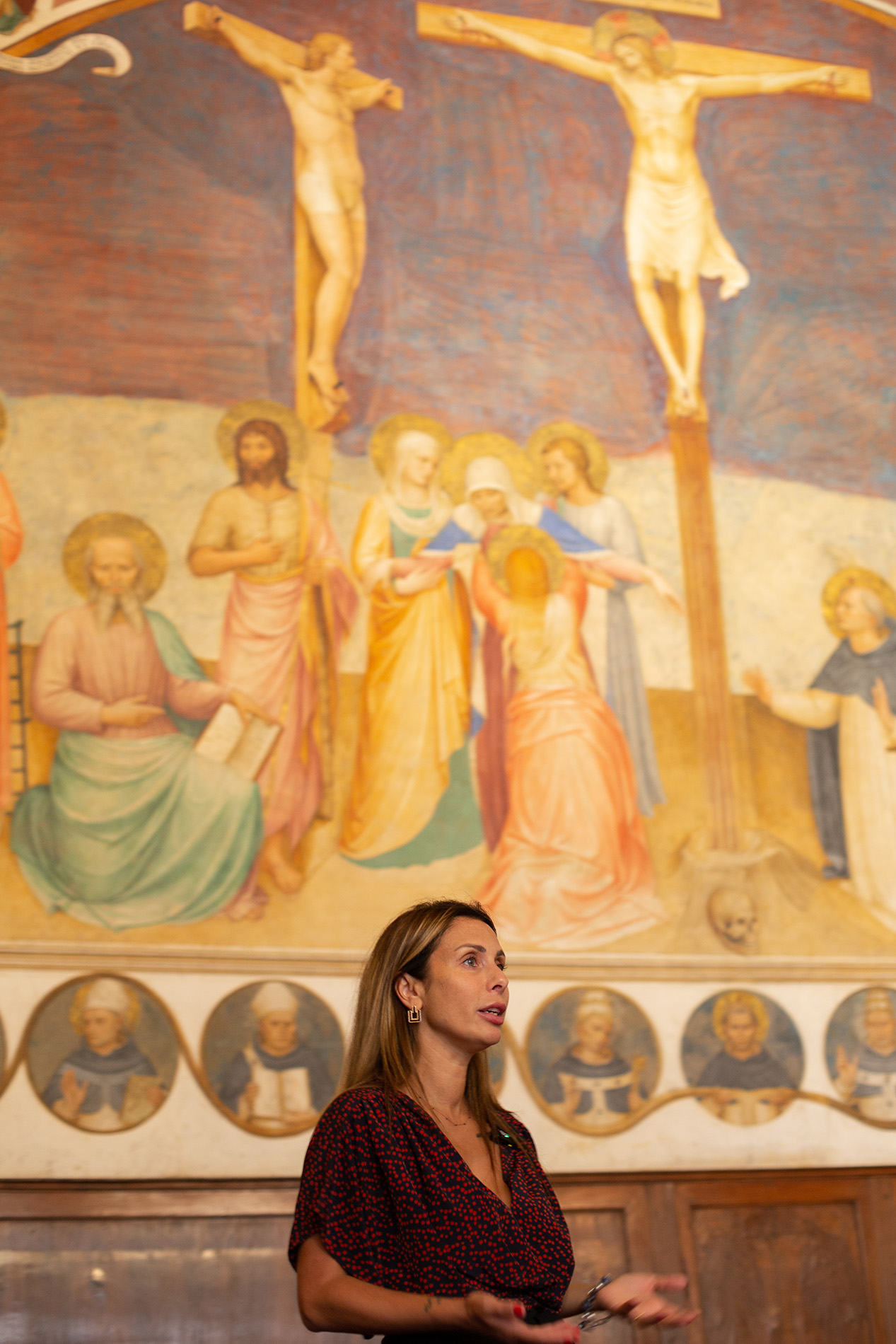
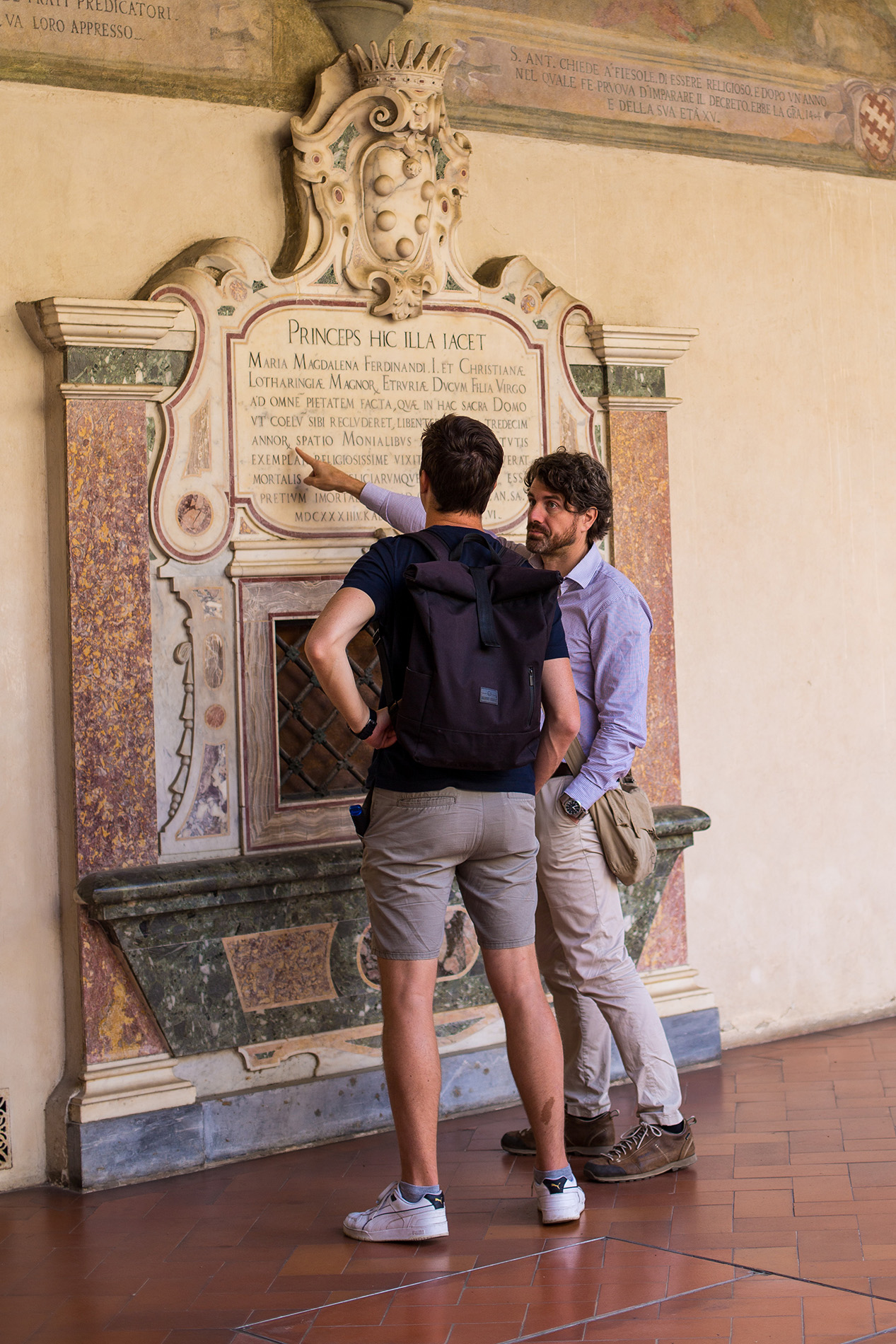
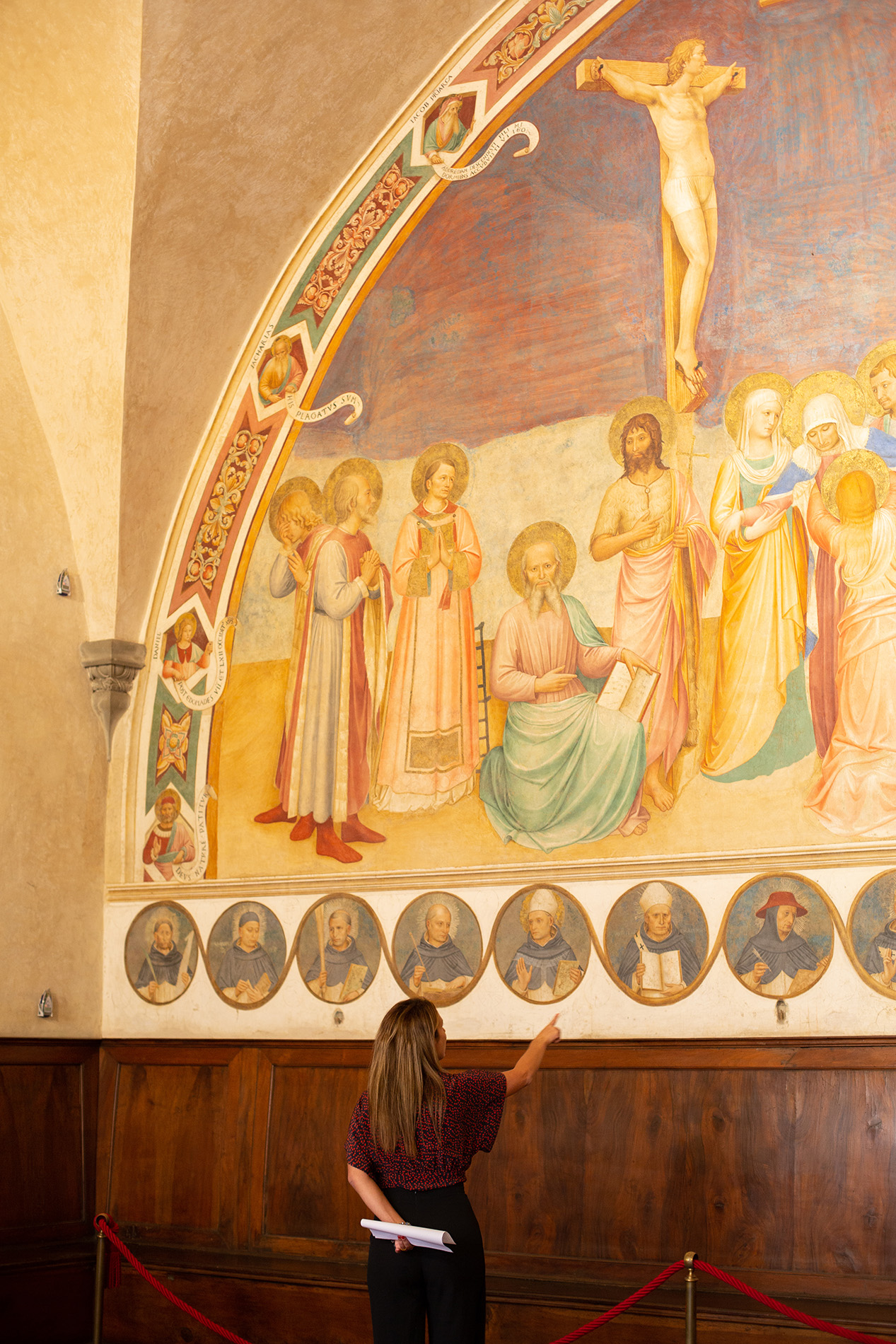
The morning will begin with a visit to the Convent and Museum of San Marco, introducing the work of Fra Angelico and the religious culture of Renaissance Florence. His frescoes combine traditional Christian subjects with new approaches to space and perspective, reflecting broader developments in fifteenth-century art.
In the afternoon, the discussion will broaden to Florentine humanism and the renewed study of Greek and Roman texts, as well as to the intellectual circles associated with figures such as Marsilio Ficino and Pico della Mirandola. Particular attention will be given to the relationship between classical philosophy and Christianity, and to Renaissance debates on human nature and human dignity. The day will therefore consider the Renaissance as a period in which classical traditions were recovered and reinterpreted.
Guiding Questions
- How did Renaissance humanism reinterpret classical ideas about the human person?
- How did the rediscovery of classical texts reshape ideas about freedom, dignity, and humanity’s place within the cosmos?
- How can beauty and the built environment contribute to human formation?
- How do the architecture, interior design, and decorative elements of our schools subtly encourage — or discourage — the virtues we wish to cultivate in our students?
- In the Renaissance, public art was assumed to have educative value. How might we make the case today that art has genuine pedagogical and cultural value?
Building on the Past
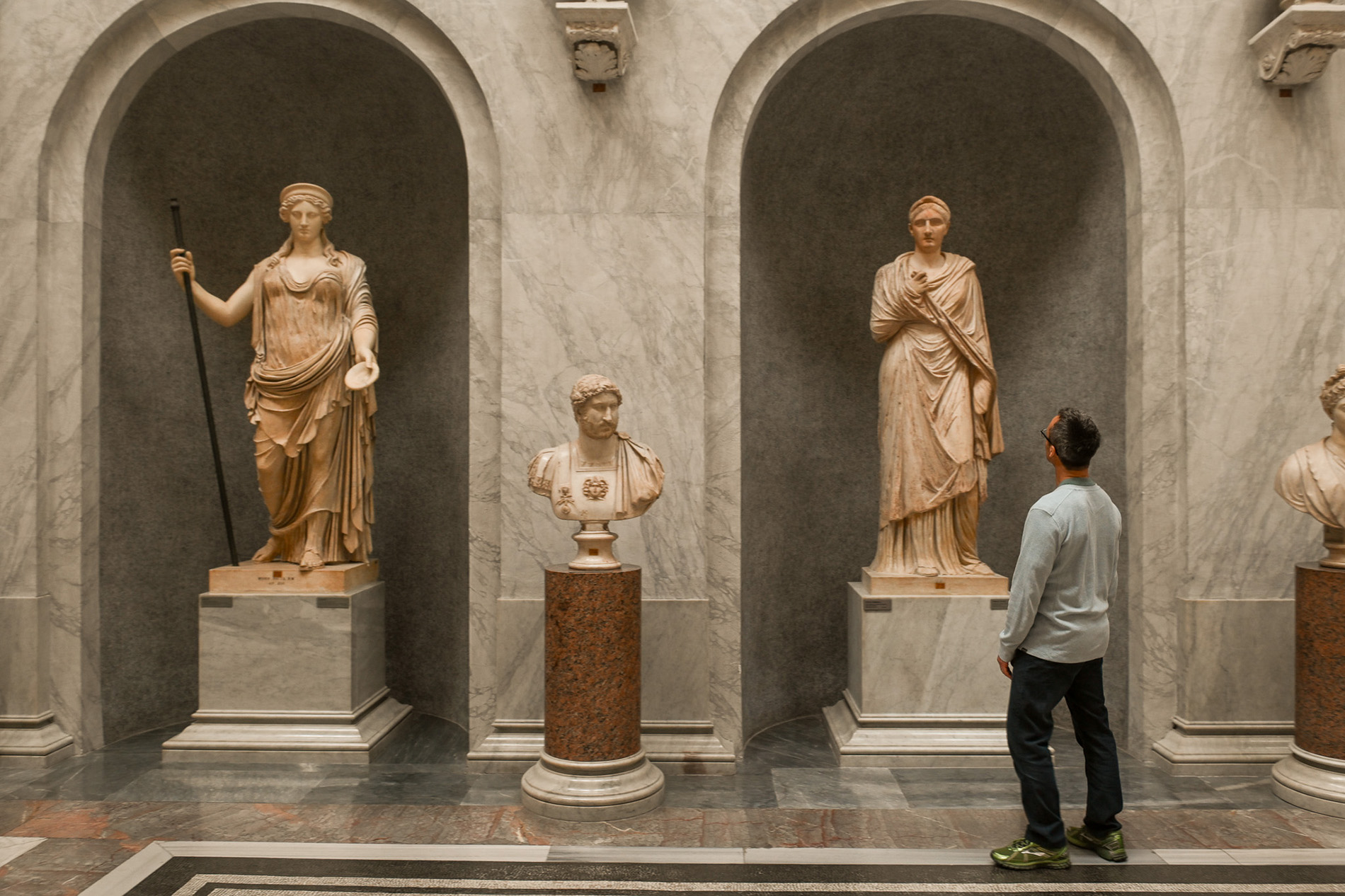
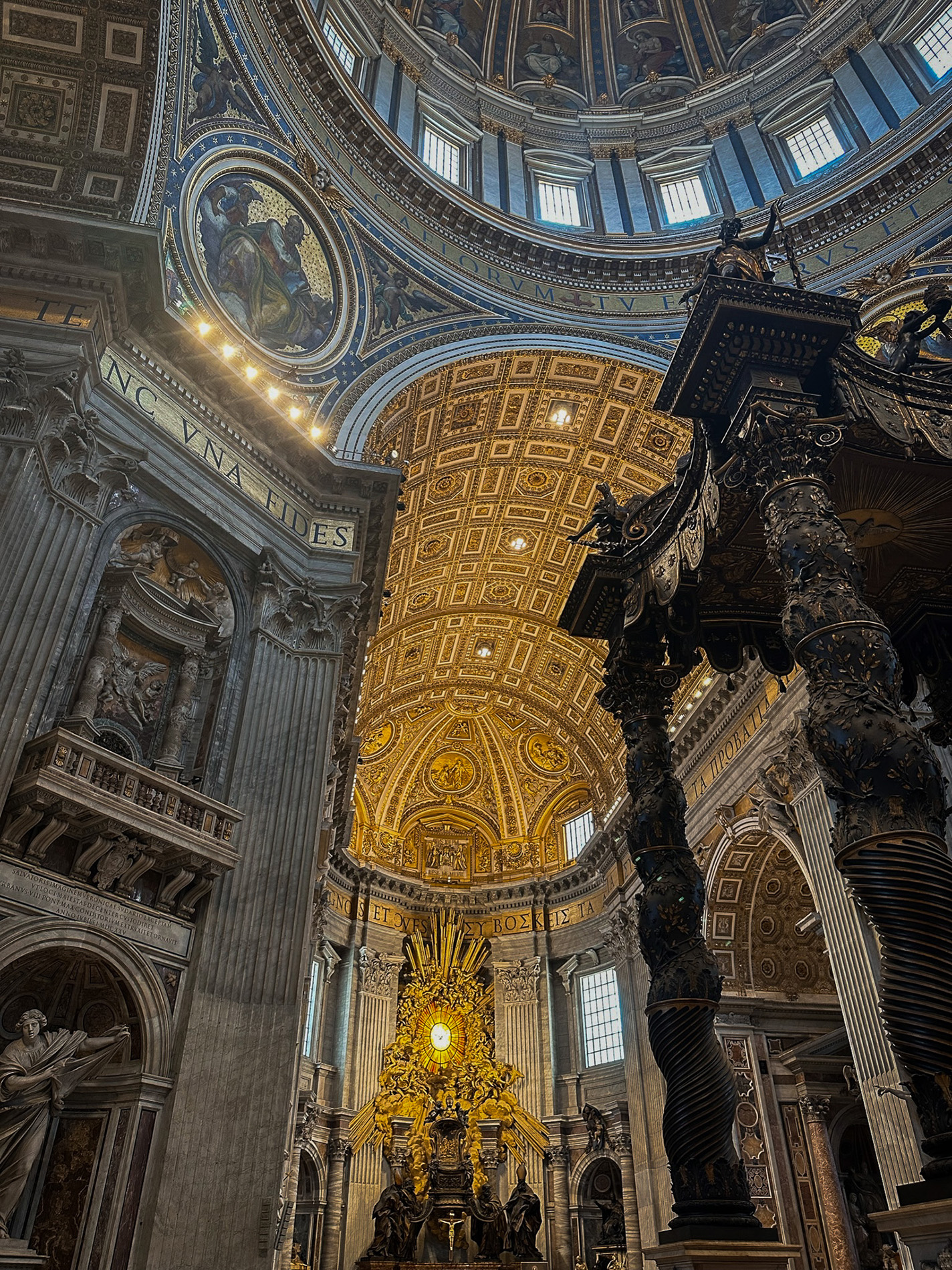
Departure from Florence and transfer to Rome. We’ll travel to Rome, where we’ll spend the final days of our journey focusing on the repurposing of pagan classical temples and public buildings into places of Christian worship.
As we arrive in the Eternal City, we’ll explore some of Christendom’s earliest churches, among them the vast Santa Maria Maggiore, constructed on the model of a Roman basilica, and the nearby diminutive churches dedicated to the martyred sister saints Pudenziana and Prassede; the Baths of Diocletian, in ruin and refurbished — with Michelangelo called in as the architect — as the Church of the Blessed Virgin Mary and all the Angels and Martyrs.
In the late afternoon, we will visit the Pantheon — temple of all the gods re-dedicated as a church in honor of the panoply of Christian martyrs — and the adjacent church of Santa Maria built on the site of the temple to the goddess Minerva. Then to Piazza Navona, repurposed from the Roman sports stadium, with Bernini’s Fountain of the Four Rivers and the jewel of a church honoring the young martyr Saint Agnes, stopping on the way to see Caravaggio’s masterpiece of the Calling of Matthew in the church of the French community.
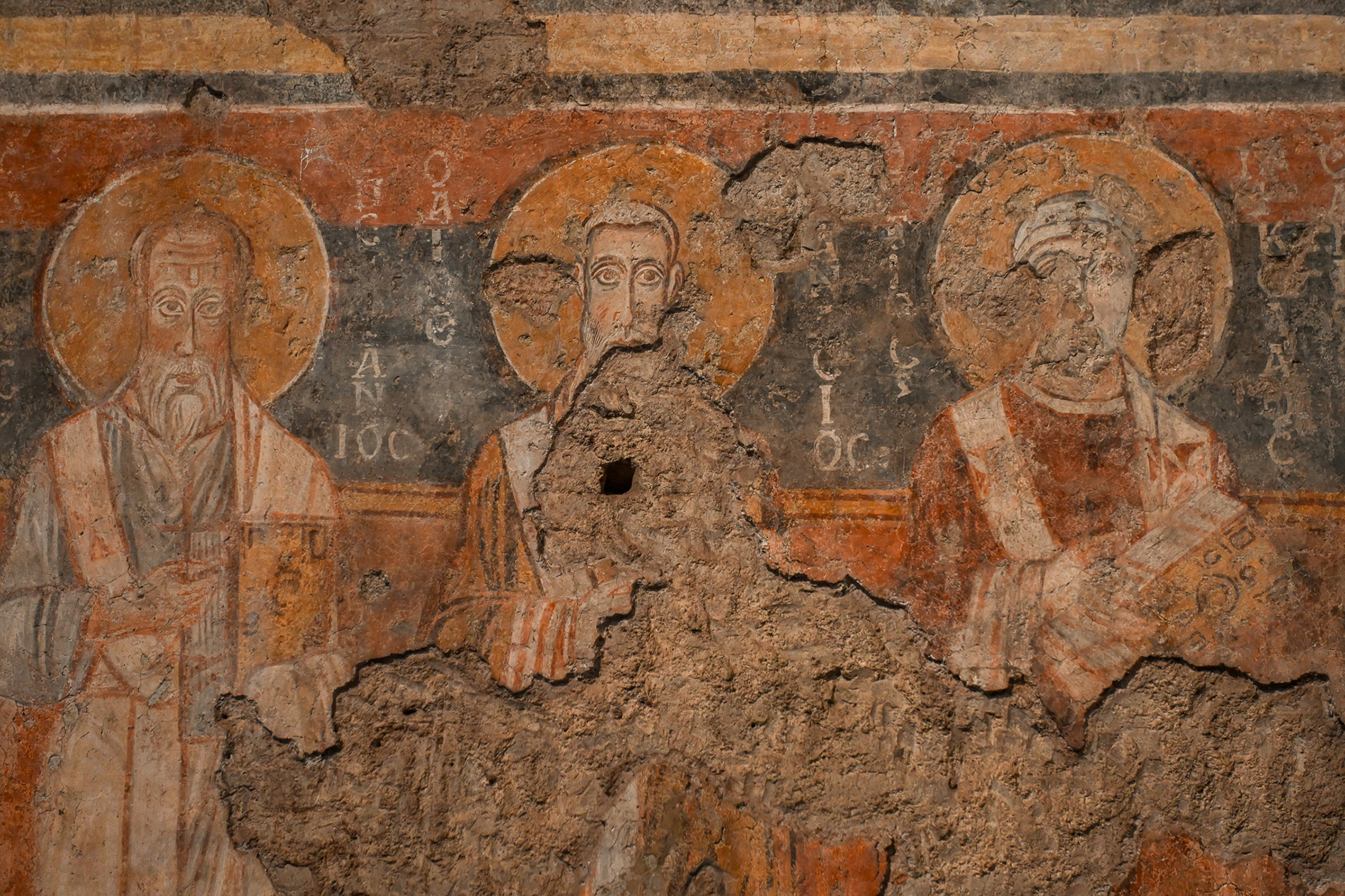
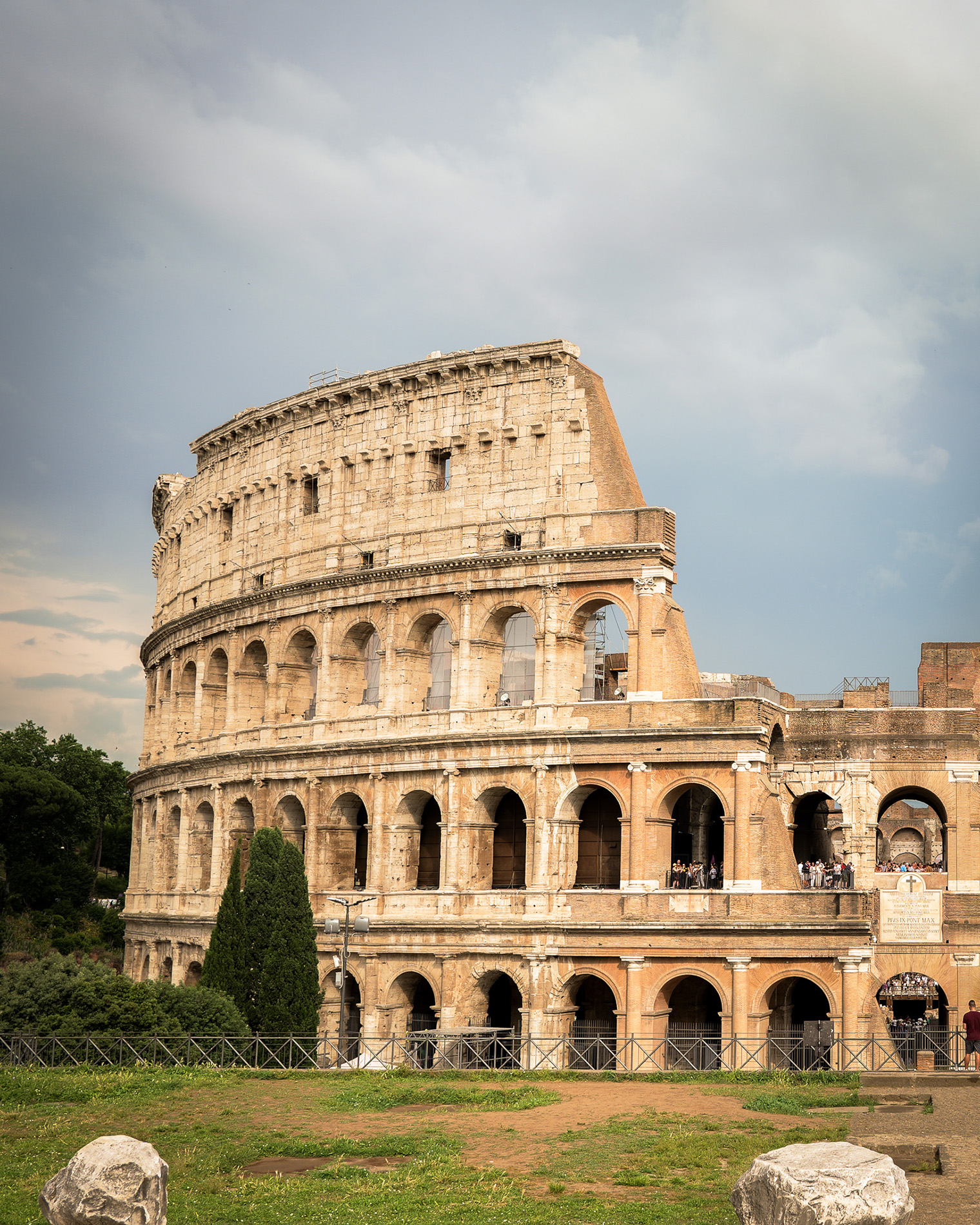
This morning, we will continue exploring the layers of Christian tradition through a visit to the Basilica of San Clemente, near the Colosseum. From the 12th-century church, we will descend through its underground levels to discover the remains of earlier Christian spaces and the ancient Roman neighborhood beneath them, excavated in the 19th century.
The late morning will be free for exploring Rome independently.
In the afternoon, we will gather for a seminar led by Dr. Anna Corrias, returning to some of the central themes of the journey through shared reflection and discussion.
Guiding Questions
- Under what circumstances can the “temples” of our contemporary built environment be repurposed or rededicated as what Saint Benedict calls a “school for the Lord’s service”?
- How can schools and community spaces become environments that form character and cultivate lives oriented toward truth, goodness, and beauty?
The morning will be dedicated to the Roman Forum and the Imperial Fora. In the afternoon, we will explore Baroque Rome through a walking tour of churches that preserve some of Caravaggio’s most important works in the settings for which they were created. The itinerary will include San Luigi dei Francesi, with the cycle devoted to Saint Matthew, including the Calling of Saint Matthew; Sant’Agostino, where we will see the Madonna di Loreto; and Santa Maria del Popolo, with the Conversion of Saint Paul and the Crucifixion of Saint Peter.
Guiding Questions
- How does Caravaggio use light, gesture, and the human body to represent conversion and religious experience?
- What happens when sacred subjects are represented through ordinary bodies and recognizable human emotions?
- How does Baroque Rome reinterpret and build upon the physical and cultural inheritance of the ancient city?
After our final seminar, we will gather for a farewell dinner in Rome.
After an early breakfast at the hotel, we’ll say farewell to the Eternal City and head to the airport for a final goodbye and to catch our flight home.







The figures of Saint Benedict, Saint Francis, and Saint Clare allow us to see how a particular understanding of the human person and of the world can take concrete form in choices and practices and, through them, give rise to communities. An individual choice therefore does not remain merely individual: it can become the generative principle of a shared way of life, in which different people recognize themselves in common ideals and learn to embody them together. These stages of the journey also allow us to move further back in time, bringing Christian forms of asceticism into dialogue with the Greek philosophical tradition of askesis. This comparison offers an opportunity to explore themes such as choice, freedom, desire, contemplation, and care of the self, while asking how concrete practices can gradually transform the way a person thinks and acts.
Saint Francis’s Canticle of the Creatures likewise becomes a starting point for reflection on the relationship between the human person and reality, placing the Greek idea of kosmos, understood as a harmonious and intelligible order, in dialogue with the Christian idea of creation.
Spoleto – Abbazia dei Santi Felice e Mauro
An ancient abbey built on the site of the first settlement of the Syrian monks Felice and Mauro, in the Valnerina, a valley in the heart of Umbria. Set along the Nera River, it is closely connected to the region’s Benedictine tradition.
Florence – Casa per Ferie Borgo Pinti
A religious guesthouse in the heart of Florence’s historic center, just a short walk from the Duomo. Housed in a historic palazzo, the guesthouse also features a traditional Italian garden.
Rome – Villa Lante
A historic residence in the heart of Trastevere, near Vatican City. Surrounded by a centuries-old park with views over Rome, it offers a quiet, timeless setting in the center of the city.
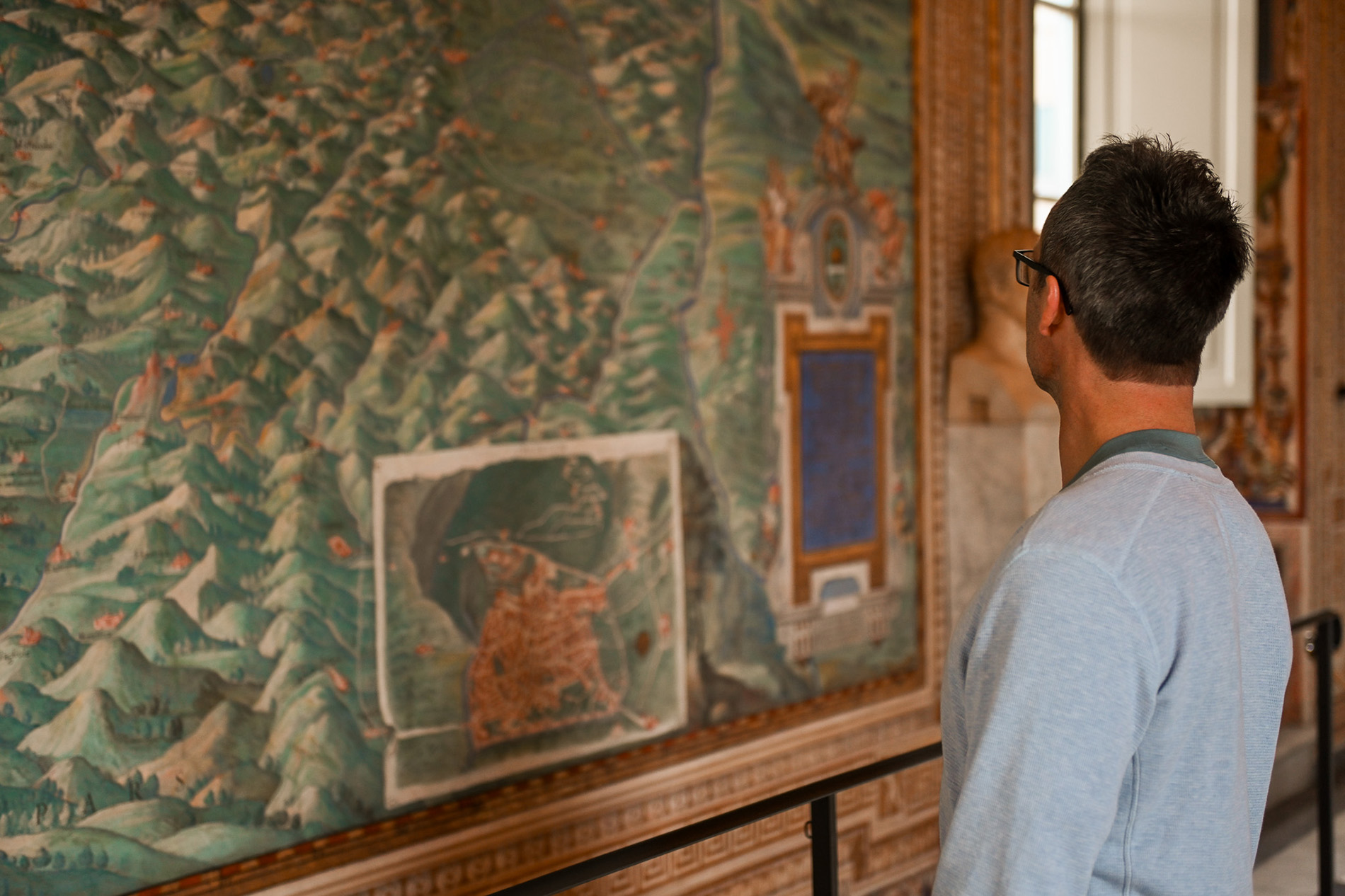
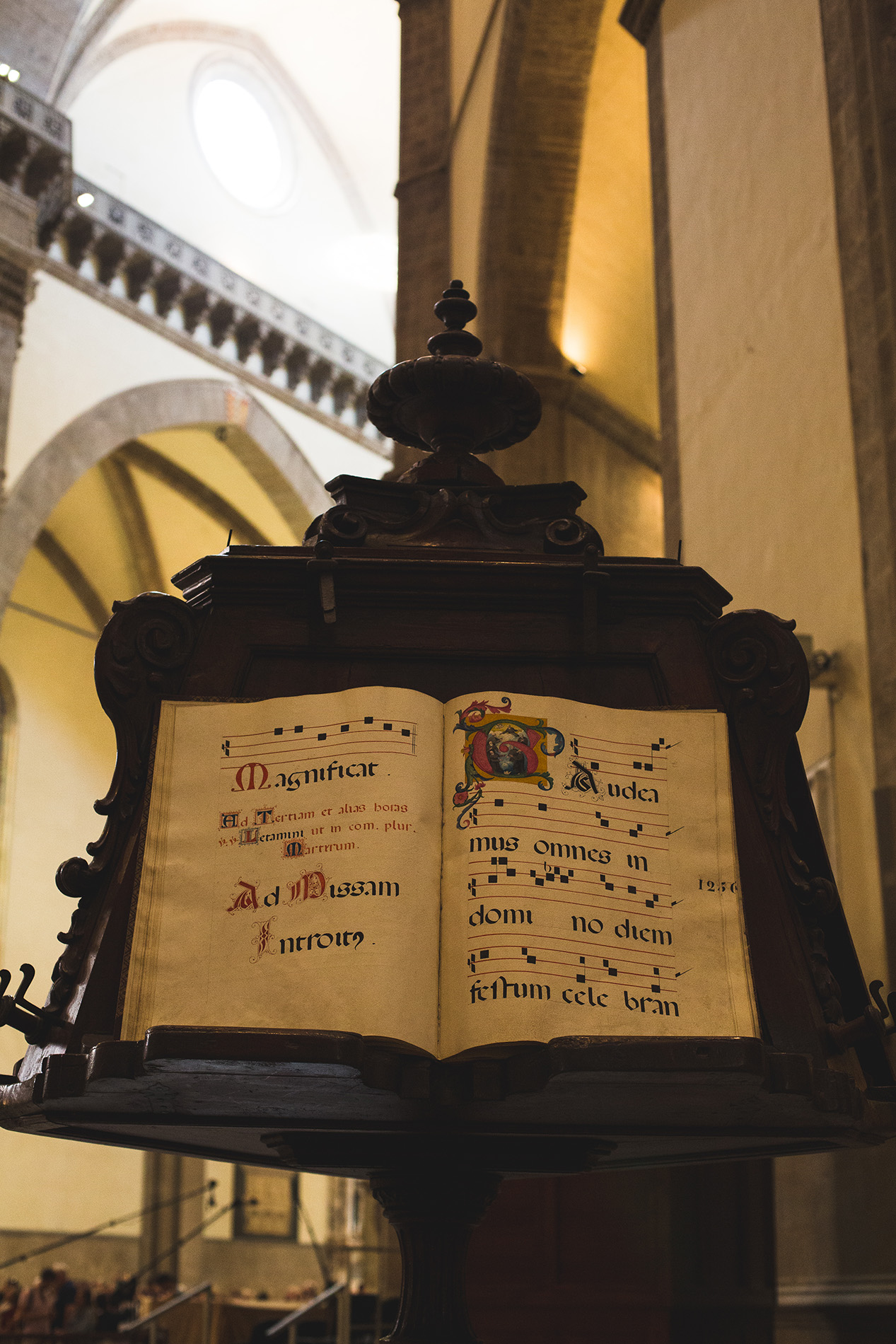
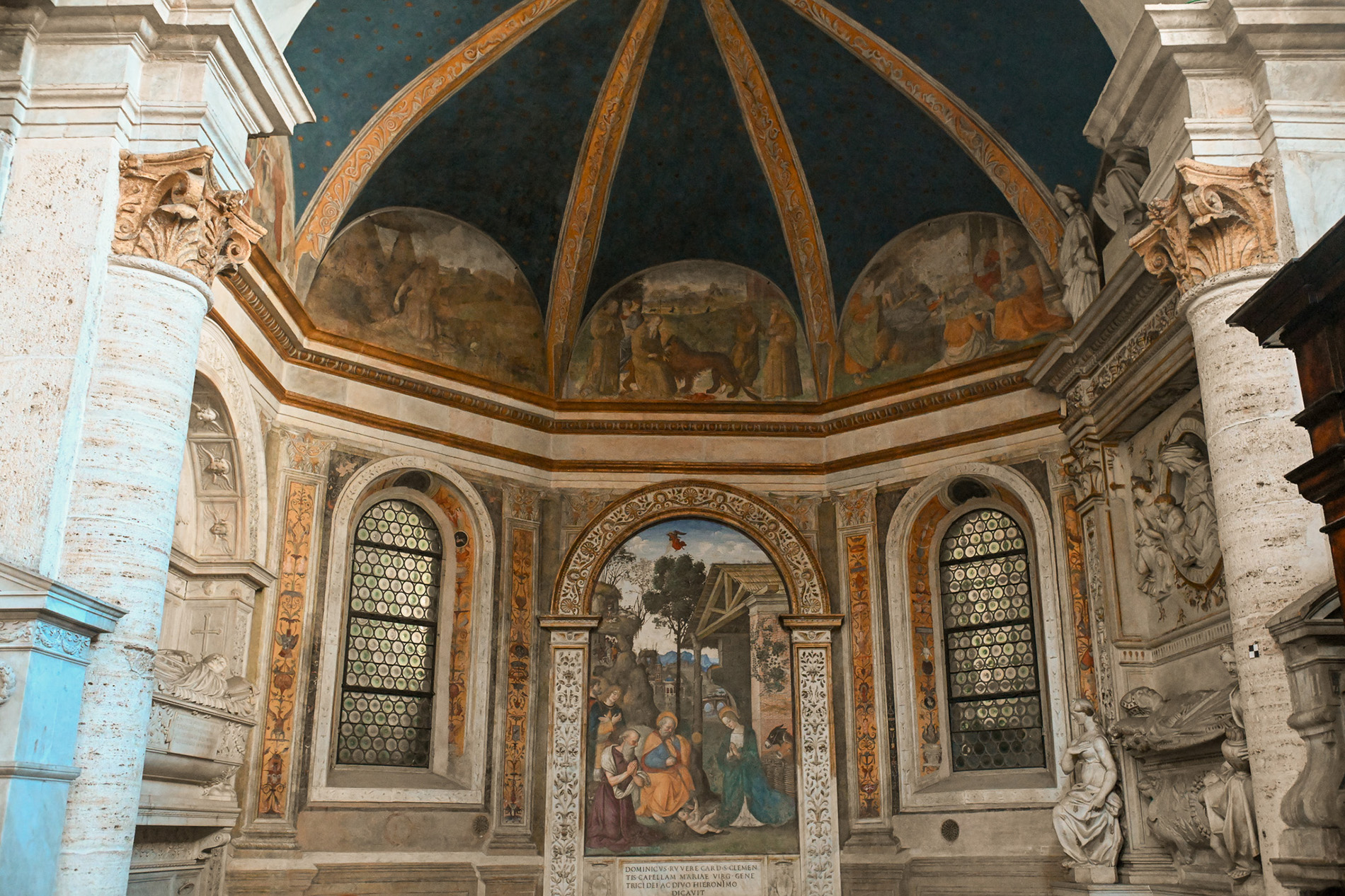
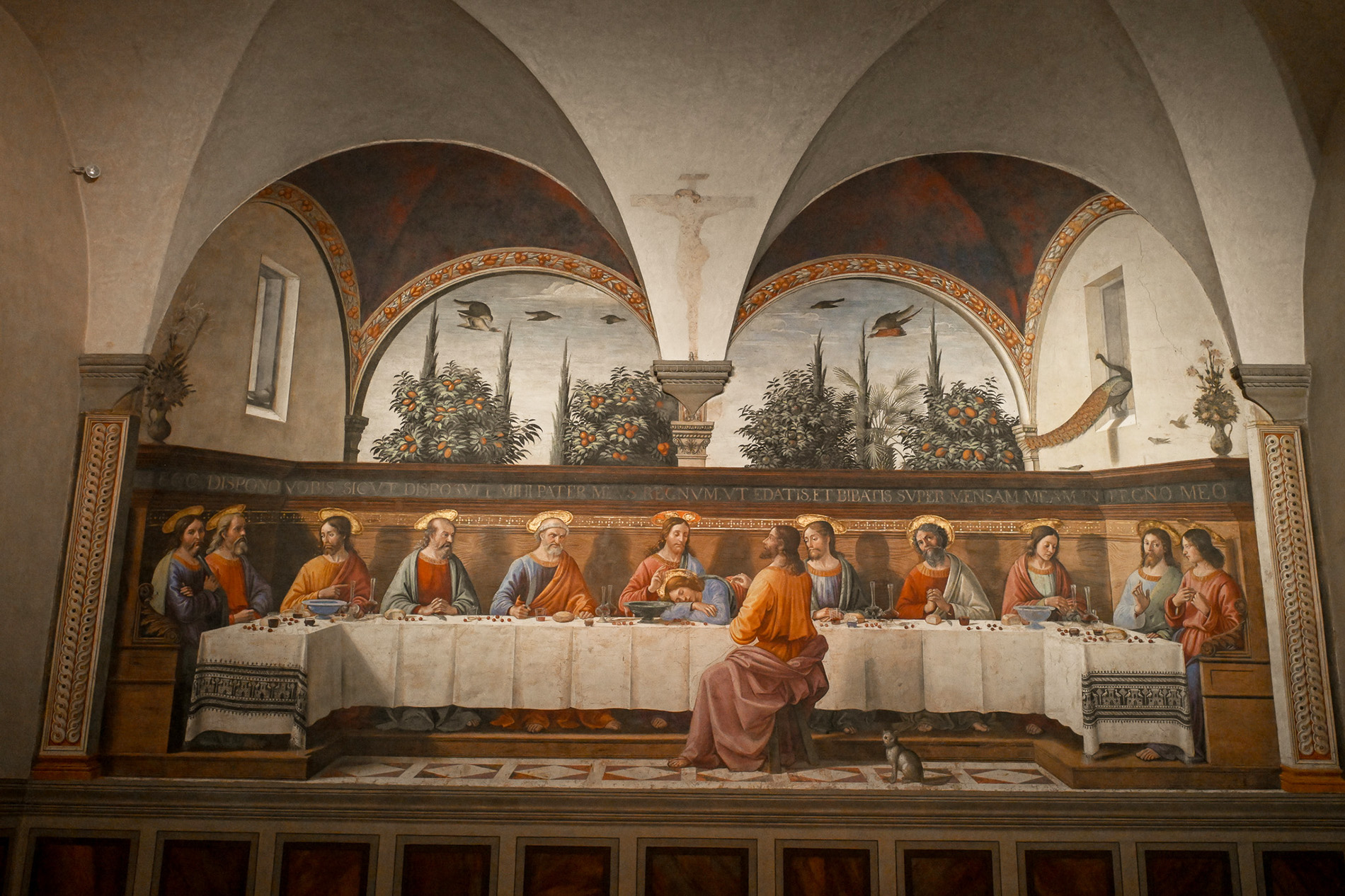
From Giotto and Filippo Lippi to Fra Angelico, Michelangelo, and Caravaggio, the works encountered along the way will be approached as genuine forms of thought, capable of educating perception, imagination, and moral sensibility. Art makes concepts, stories, and visions of the human person visible: it gives them a body, a space, and a face. Images therefore allow us to confront profound questions: how are the body, virtue, suffering, conversion, and freedom represented? What can an image teach that a text cannot communicate in the same way? And how can beauty itself become an instrument of formation?
Oriented toward truth, goodness, and beauty, this journey invites teachers to bring history, philosophy, art, religion, and pedagogy into conversation with one another. It asks not only what we should teach, but what kind of person education seeks to help form; not only what content should be transmitted, but what environments, practices, and relationships cultivate a life of knowledge and virtue.
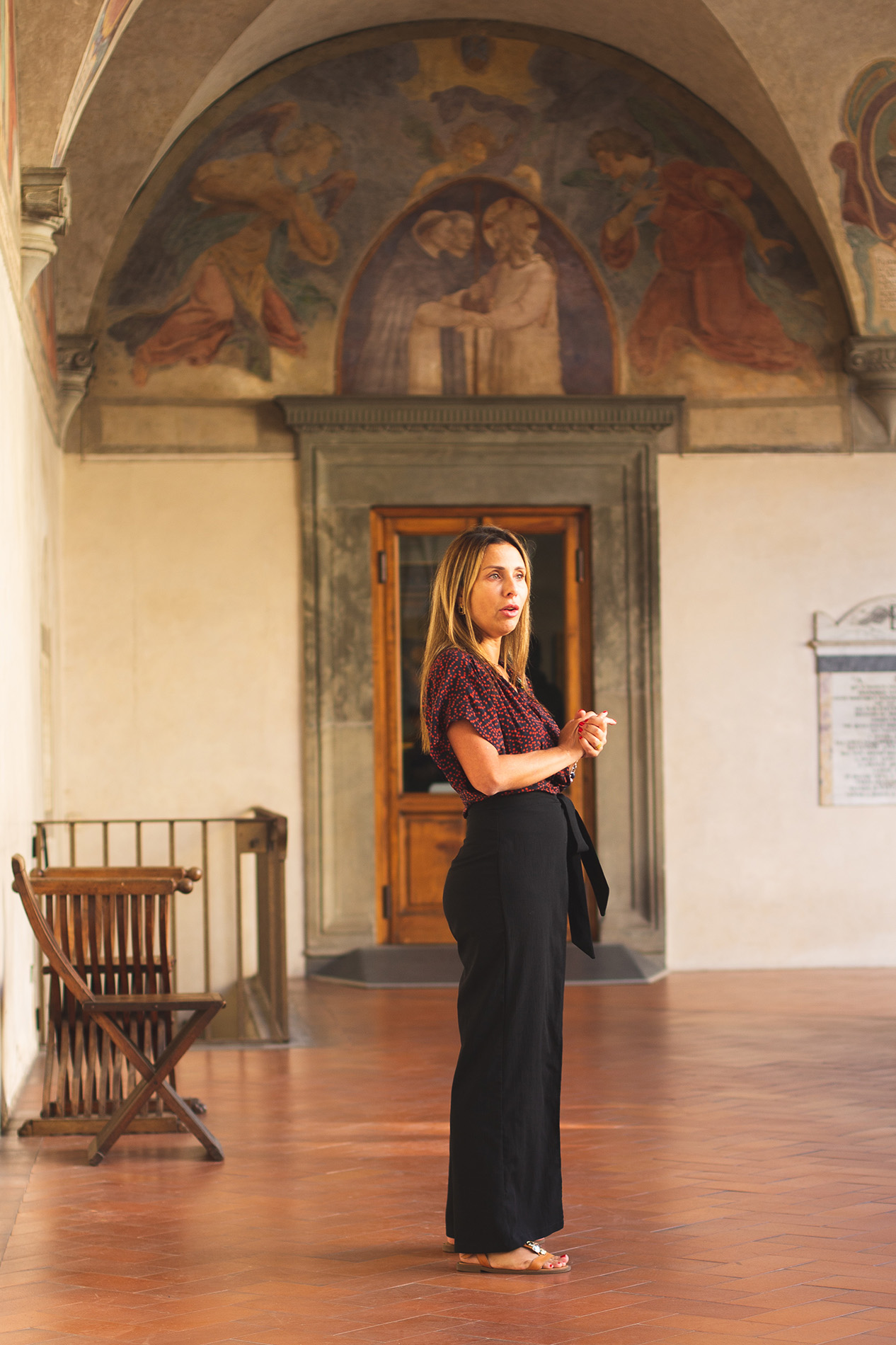
Dr. Anna Corrias is an Italian scholar and professor of the history of philosophy whose work explores the classical tradition and its enduring influence on Western culture, with particular attention to the Renaissance. Drawing on both her academic background and her intimate knowledge of Italy, she will accompany the group throughout the journey, weaving together philosophy, history, literature and art through seminars and shared conversation.
For further questions don't hesitate to reach out to us directly.



