

This ten day pilgrimage follows the early missionary journey of Saint Paul after he saw a vision encouraging him to share the Gospel in Macedonia.

This spiritual pilgrimage traces the footsteps of St Paul as he spread the message of Christ to the peoples of Asia Minor and Europe. The tour will begin in the Greek city of Philippi, where Paul baptized the first Christian convert in Europe. We will travel through Thessaloniki, the “hanging monasteries” of Meteora, Corinth, and Athens.
At 3:00 pm you will meet your fellow travelers at the hotel for an orientation both to your pilgrimage and to St. Paul’s. After meeting your fellow pilgrims and Alithea guide, you will visit the site of the old Roman forum and the first church of Saint Dimitrios, patron saint of Thessalonica. It was in this area that Paul and Silas were accused of turning the world upside down, while preaching the salvation of Christ in the synagogue. While seeing the Ignisia road that brought Paul and Silas into the city, you will begin to glimpse the ancient world that Paul’s vision invited him to transform.
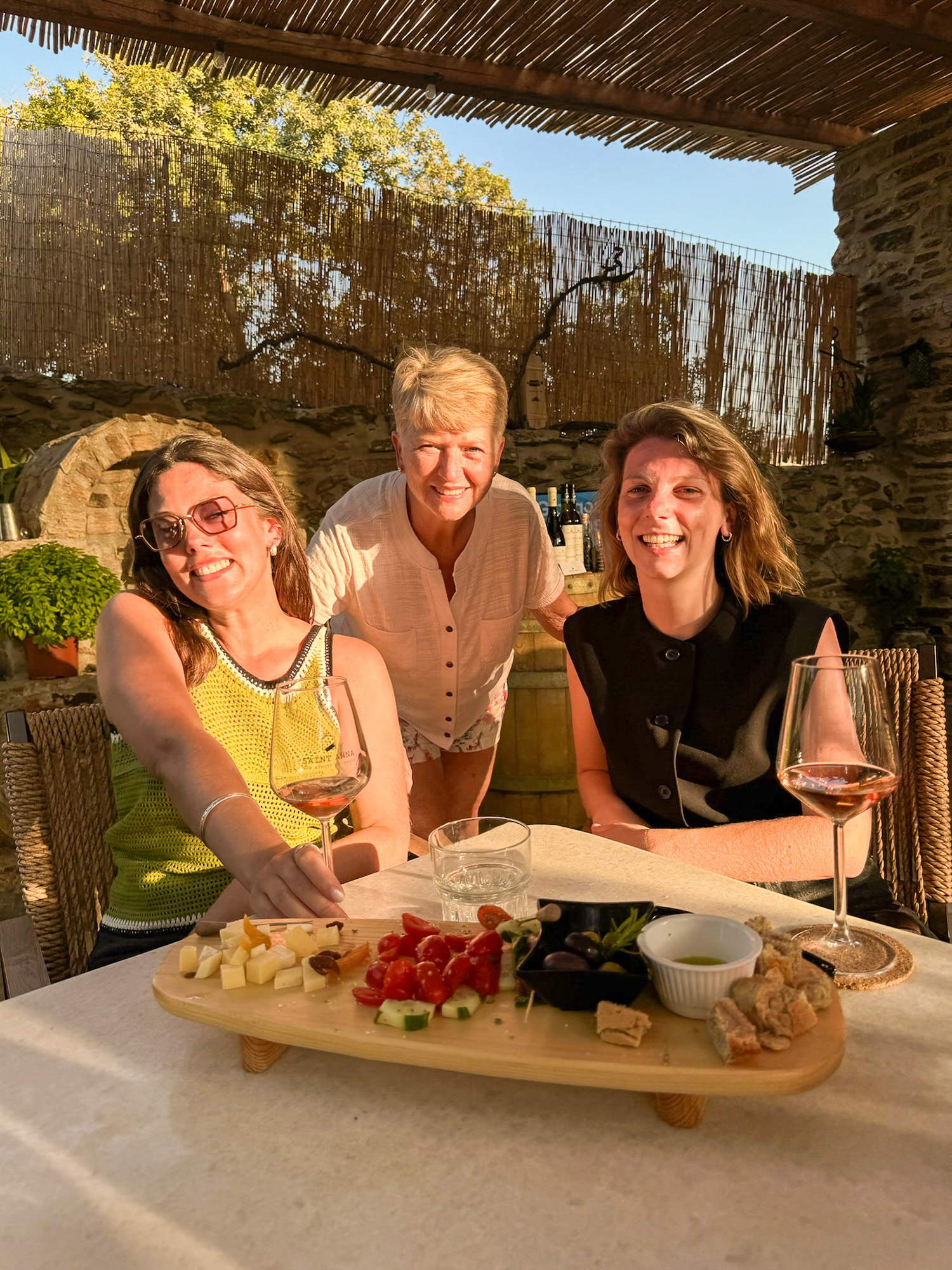
Tonight’s meal, like the word ‘companionship’ which literally means to break bread together, will be the first opportunity to do so with your fellow travelers.
Walking: moderate
After breakfast in your seaside hotel, you will travel by bus to the first city on Paul’s Macedonian journey, Philippi. Here you’ll peel back the layers of Paul’s visit to the city, seeing the port where he arrived, learn about the commerce of the city and see the site of Lydia’s baptism by Paul. While reading from both Acts and Paul’s letter to the Philippians a comparison of the Greek and English will provide a deeper understanding of the context in which the gospel was shared.
You’ll return to Thessalonica in the late afternoon in time for a free evening in the city where Paul and Silas were imprisoned and rather than escape during the earthquake, comforted their fellow prisoners with song, and subsequently saved the jail-keeper.
Walking: moderate
This morning after breakfast, your journey will continue to Veria, where Paul shared the gospel after being chased from Thessalonica where they were accused of turning the world upside down. Here you will visit the Jewish quarter, one of only completely renovated to its pre-world war II conditions in Europe. Very likely the still active synagogue stands in the same place as the one where Paul preached.
Following lunch, your journey’s next stop will be the tomb of Phillip II, the father of Alexander the Great. The archeological museum here is one of the best in Greece and provides insight to the development of hellenism and its subsequent readiness for Christianity.
In the late afternoon you’ll arrive in the town of Kalambaka which, although Paul himself never visited, is at the base of the monasteries of Meteora, one of the holiest places in all of Greece.
Walking: moderate
Bus: ~3.5 hrs
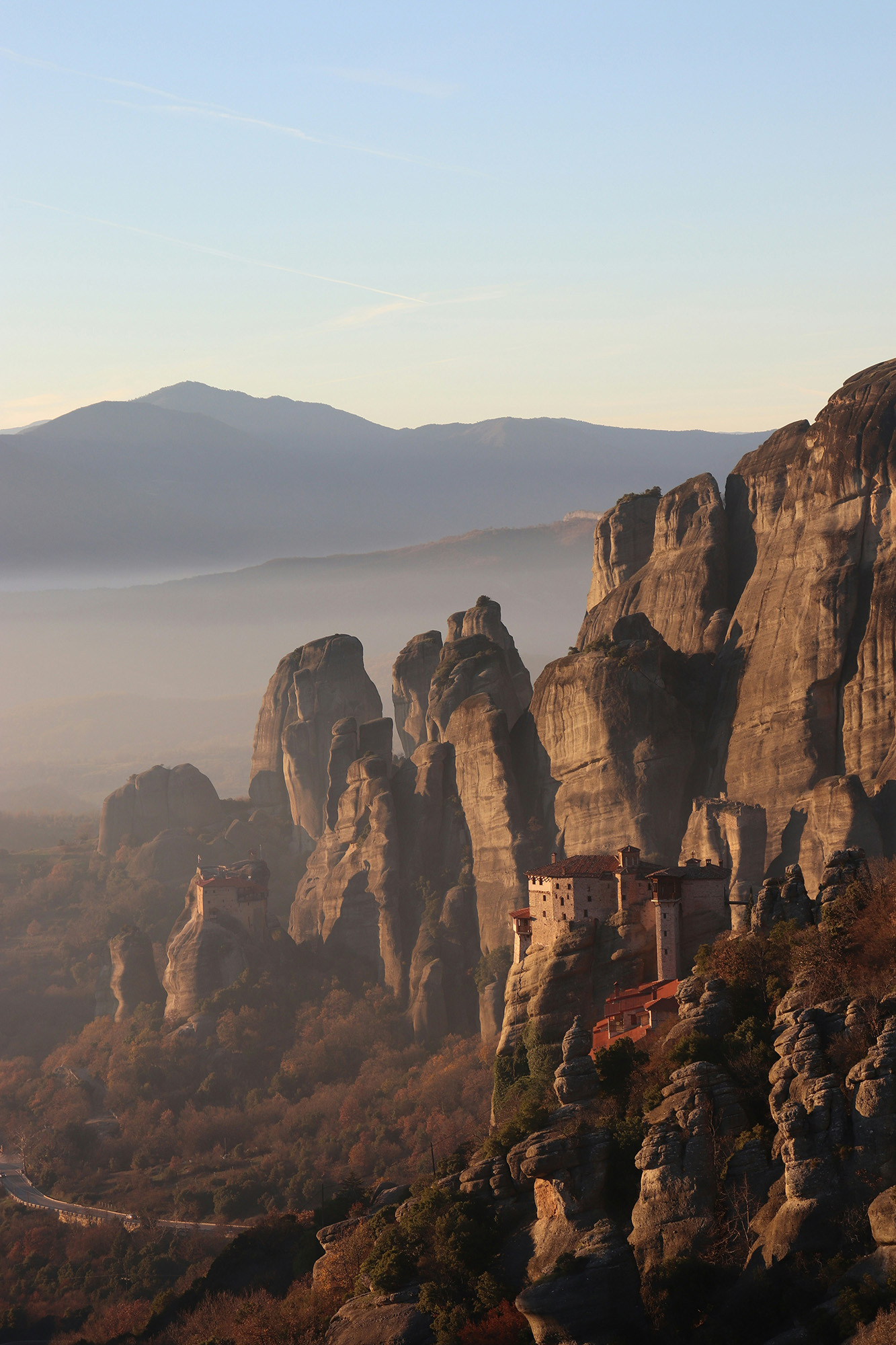
This morning your pilgrimage will continue towards the five still active monasteries built on top of the rocks both in defiance of the ottoman occupiers and in affirmation of the monastic life of contemplation and the monk’s desire to be oriented heavenward. Your first stop this morning will be the monastery of St. Nickolas whose frescoes were painted by the famous Cretan painter, Theophanes Strelitzas, the teacher of El Greco. In this sixteenth century chapel you will see Adam naming the animals, along with scenes from the life and the second coming of Christ.
Throughout the rest of the morning you’ll visit those remaining monasteries that time and energy permit, including the monastery of the great Meteoran, Varlaam, the female monastery of Holy Barbara, and the magnificent look out points from above the rocks.
Walking: strenuous
Departing from Kalambaka after breakfast, your pilgrimage will bring you to Athens, the city Paul visited next after Veria, and the city famous for its philosophers, polytheism, and sophists. Arriving in the early afternoon, after checking into the hotel and an orientation to the city, you’ll be free to explore on your own, visit the Byzantine Museum, or the thousand year old church of Panagia Kapnikarea.
Walking: light
Bus: ~5 hrs
Perhaps nowhere else in antiquity was there a city so focused as Athens on humanity and the representation of humanity as divine. Paul observes this and ‘his spirit is stirred within him’ because of the idolatry and he disputes in the synagogue of the city. With this (familiar) human focused culture, your pilgrimage leader will take you to the site of Paul’s disputes with the philosophers on the areopagus hill across and the Acropolis. Here you’ll see the misguided human aspiration towards the divine in the things of the world, made by man and for man.
Walking: moderate
Departing after breakfast, the next stop on your pilgrimage will be a day trip to Corinth. Paul journeyed here after Athens and preached to the Jews, being told by the Lord, “Be not afraid, but speak… I am with thee.”
Here, with the historical context of first century Corinth and Paul’s letters to the Corinthians, you’ll learn about the year and a half Paul spent here as he shared the gospel and worked as a tentmaker. Under the guidance of your pilgrimage leader, you will witness the sites of Acts 18 including the port, acrocorinth, and the archaeological site of the city.
Tonight after returning to Athens you’ll
In the first century AD Corinth was a center of commerce between east and west countries of the mediterranean
Walking: strenuous
Bus: ~2.5 hrs
This morning the main part of your journey will draw to an end. For those interested in an continuing to Samos and Patmos to visit the beloved apostle’s cave of the revelation, an extension will soon be added.
There will be no other structured activities this day. Your guide will be available throughout breakfast to help with continuing travel arrangements or to provide suggestions for the next step on your pilgrimage.
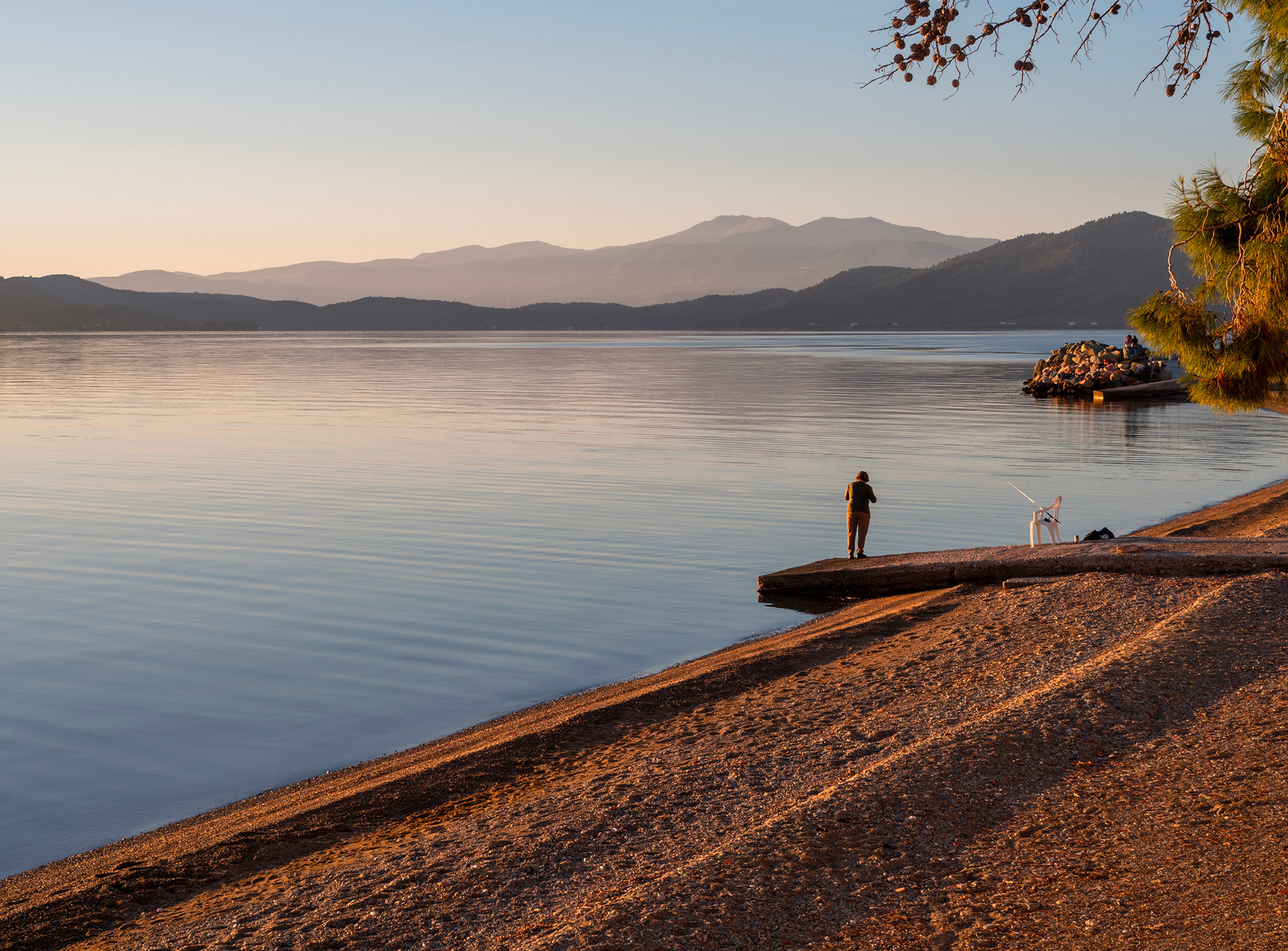



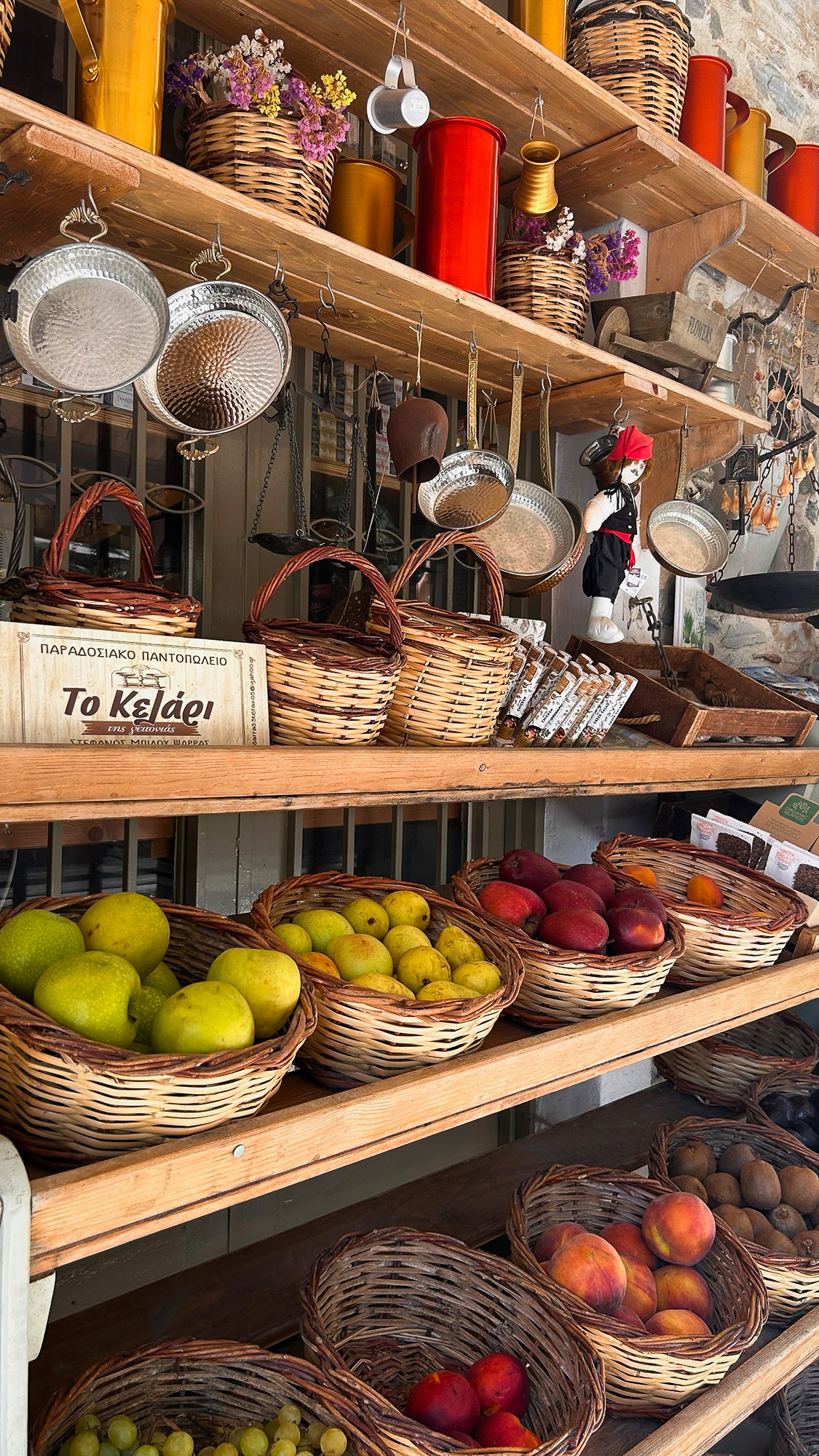

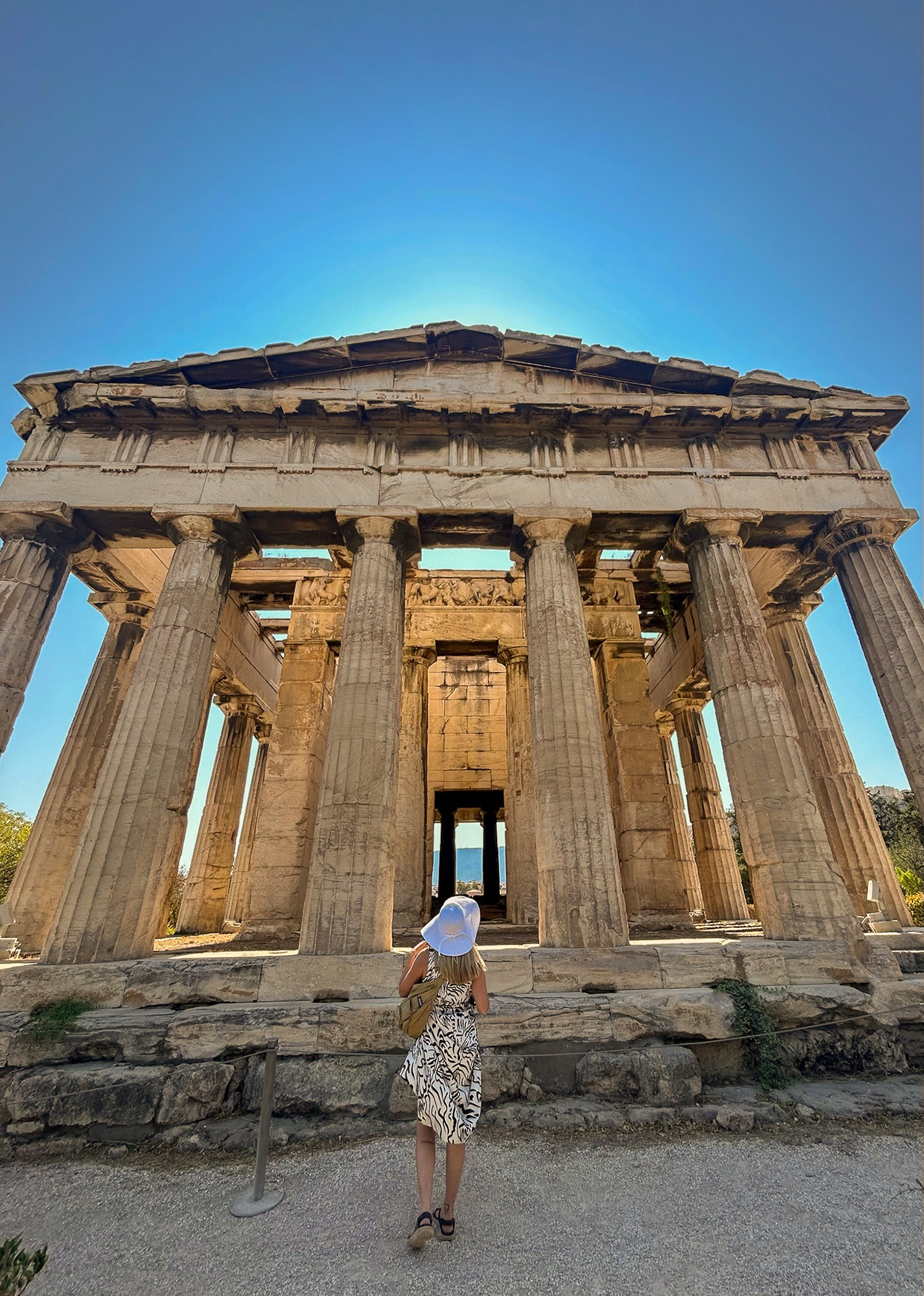






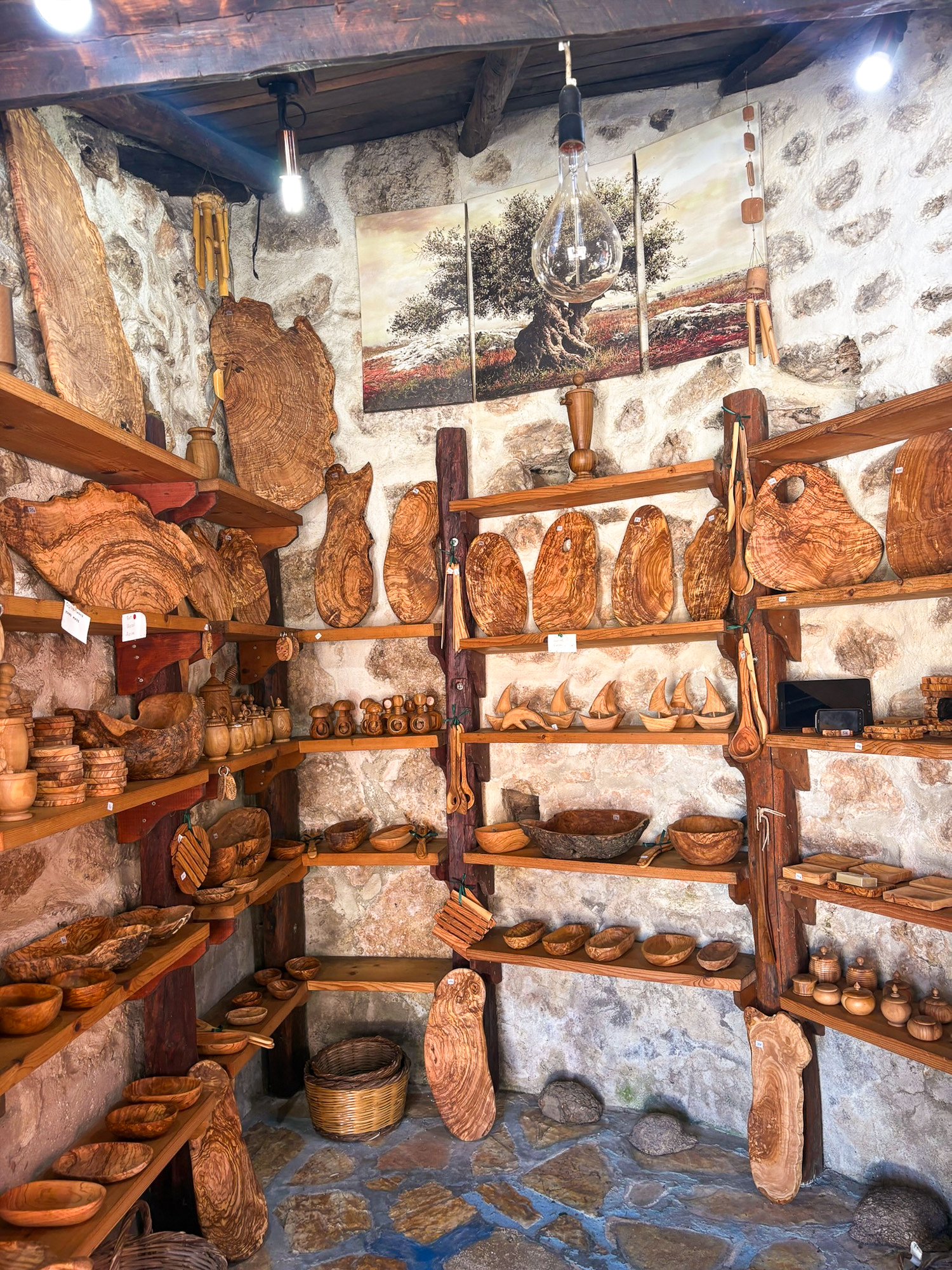
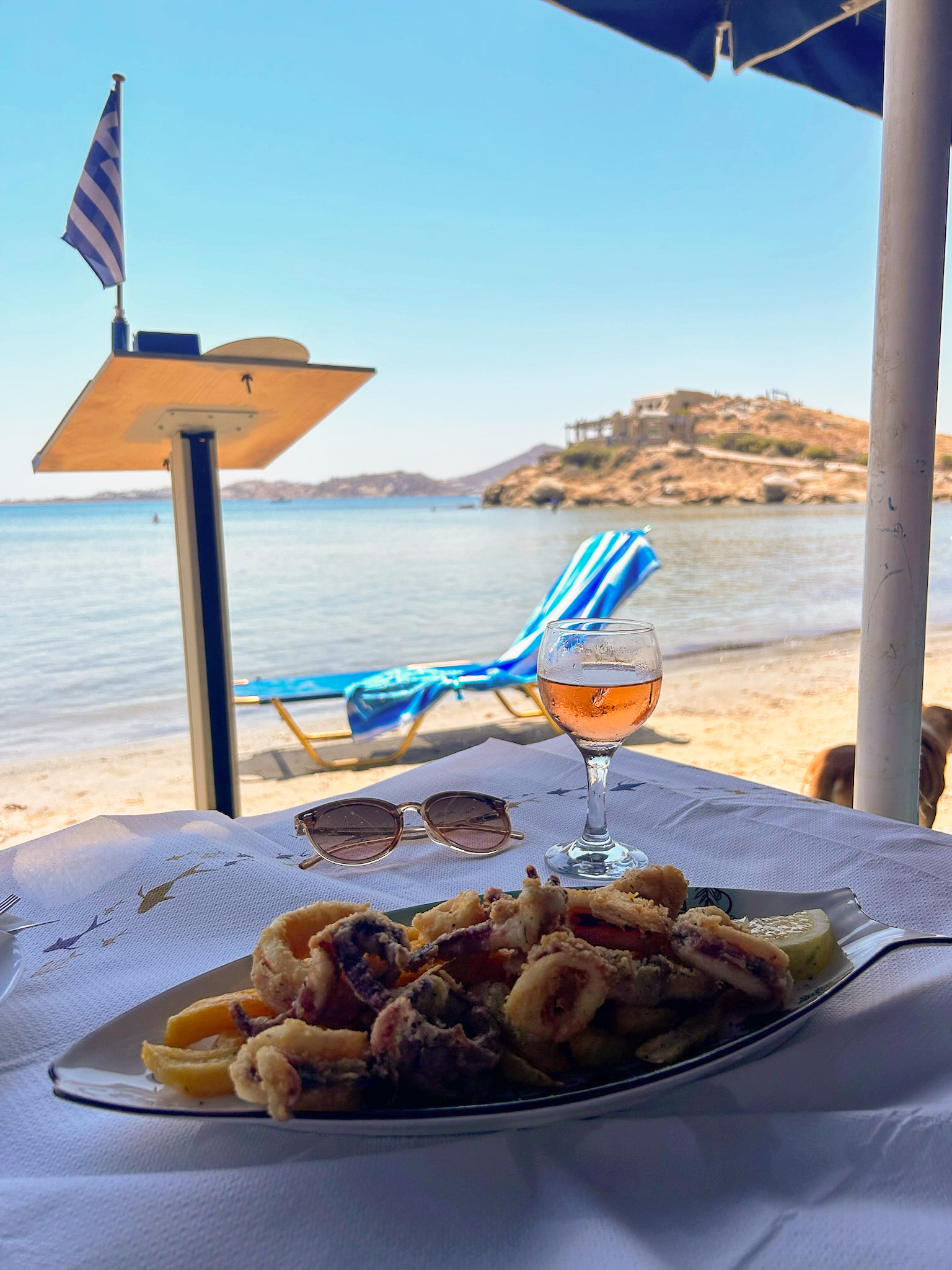
The many journeys of Acts do not conclude with arrival but with a sense of beginning something new. In this light, following Paul's footsteps is not about reaching the right conclusions but being capable of living the questions before God. Following Paul's example is an invitation for travelers not just to a knowledge of the early church but to a deepening perspective of scripture, community, and a life of faith. The question is not only what is seen, but how one is now called to live.
In the Book of Acts, place is never incidental—it is appointed by God so the Gospel might breathe powerfully into every culture and circumstance.
In Athens, Paul debates the leading philosophers of the day. In Philippi, he gathers regularly with a small household. In Corinth, he ministers to a divided and searching church. In Thessalonica, he reasons in the synagogue, turning many God-fearing Greeks and prominent women to Christ.
Each setting unveils a different dimension of the Word, inviting us to study these places and grow in a faith that is deeply personal, contextual, and alive.
To read Scripture in these locations is to remember relationships with God are always lived in the here and now and must take root in the particulars of everyday life.
For further questions don't hesitate to reach out to us directly.

This journey is for believers and couples who want to enrich their study of Scripture, deepen their faith, and gain a fuller understanding of the geography, history, and culture of Paul’s early ministry. It’s also for those interested in the cultural ideas that shaped the Western world, while enjoying fellowship, conversation, food, and teaching from Pastor Mark.
We recommend departing the day before the trip begins to ensure you arrive on time and well-rested. Please plan to fly into Thessaloniki at the start of the trip and fly out of Athens at the end.
For those traveling from Chicago, there are many convenient flight options from O’Hare International Airport to Athens, typically followed by a short connecting flight to Thessaloniki. As the group arrives together, airport transfers will be provided from Thessaloniki Airport to our hotel.
Yes. Starting in late 2026, U.S. citizens will be required to obtain an ETIAS travel authorization before entering Europe. ETIAS is a simple online application, with responses typically issued within 96 hours. Once approved, it is electronically linked to your passport.
ETIAS is not yet in operation, but it is expected to be introduced soon. We kindly ask travelers to check whether ETIAS is required for their travel dates and to complete the application if necessary.
To apply, please visit: https://travel-europe.europa.eu/etias
Absolutely. If you’d like to explore Greece on your own prior to or after the trip, we are happy to offer recommendations for accommodations, restaurants, and transportation.
Greece uses the Euro (€) as its official currency. Credit and debit cards are accepted in most hotels, restaurants, and shops, but smaller vendors and more rural locations may prefer cash. ATMs are widely available in both Thessaloniki and Athens, and they are often the most convenient way to withdraw local currency.
Before traveling, be sure to notify your bank and credit card company of your trip to avoid any issues with international transactions.
You have a few options for staying connected while in Greece. You can use an international plan through your carrier, which is the easiest but typically the most expensive option. Many travelers prefer using an eSIM, such as Airalo, which is more affordable and can be set up before departure so you have service as soon as you arrive. Alternatively, you can rely on Wi-Fi, which is widely available but limits connectivity when you are out and about. Please note that your phone must be unlocked in order to use an eSIM or any international SIM card.
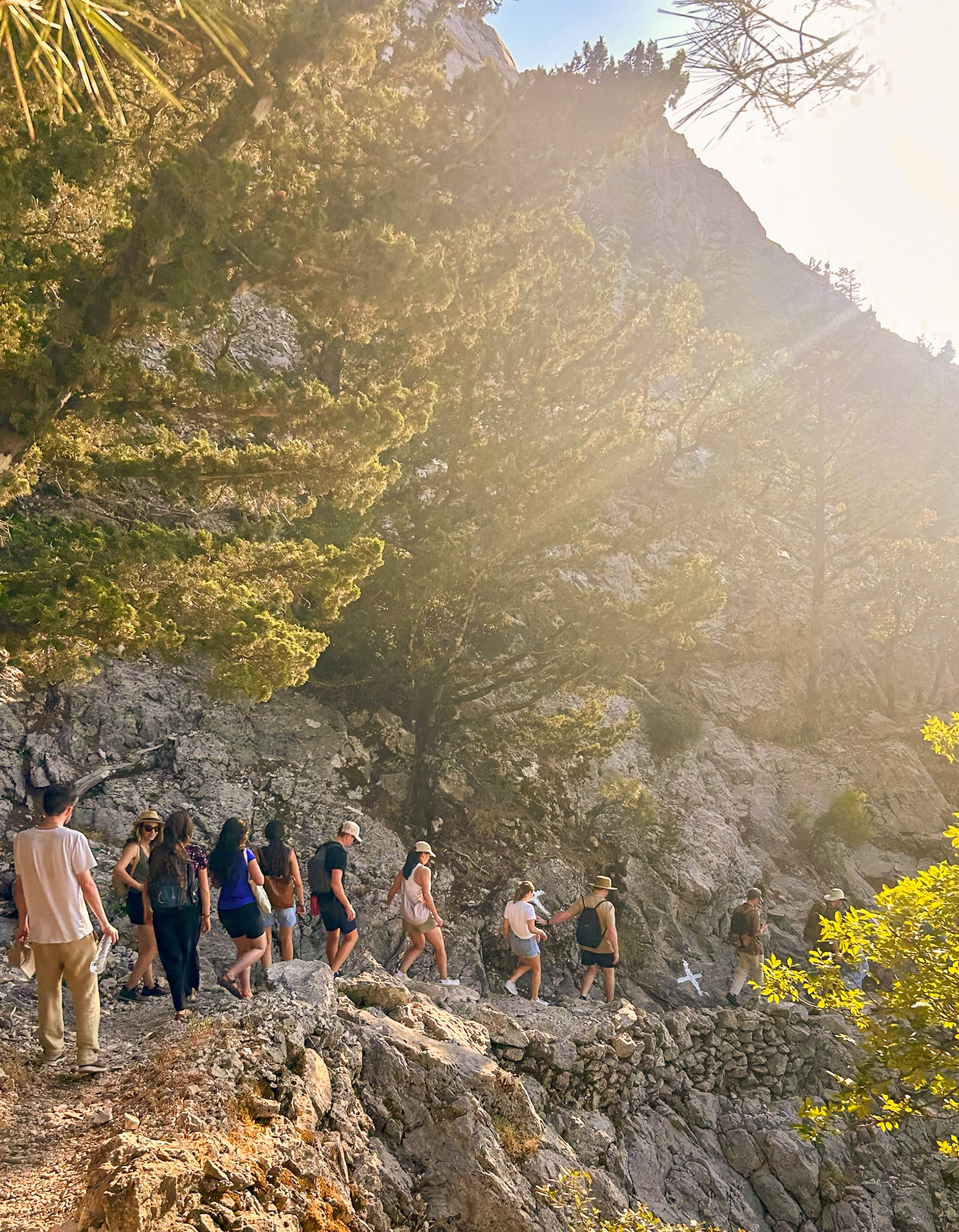
Be prepared for moderate activity, approximately 2,000–10,000 steps a day. Some terrain may be uneven such as stone paths and ancient ruins. We reccomend bringing comfortable, supportive shoes with for walking. We will have a private bus for transportation.
We recommend packing comfortable, lightweight clothing suitable for warm weather, along with good walking shoes for daily activities and sightseeing. Be sure to bring sun protection such as a hat, sunglasses, and sunscreen, as well as any personal medications and travel essentials. Modest attire may be needed for visiting churches or monastaries (such as covered shoulders and knees). A small day bag, reusable water bottle, swimsuit, and a light jacket or sweater for cooler evenings can also be helpful.
Yes, Greece is considered a very safe destination for travelers. Cities like Thessaloniki and Athens are popular and welcoming, with low rates of crime. As with any destination, it’s important to stay aware of your surroundings, keep an eye on personal belongings in crowded areas, and follow basic travel precautions. Overall, visitors can feel comfortable and secure while enjoying their time in Greece, and your Alithea guides will be with you for the entirety of the journey.



