Experience the most meaningful sites of classical Greece, the traditions of locals, and the inspiring beauty of myth, mountains, and sea.
Experience the hidden treasures of the Peloponnese and uncover the secrets of local artisans, olive farmers, and fishermen. Join fellow travelers in lessons on cooking and hike to ancient monasteries and classical sanctuaries.
Swim and sail through the crystal waters of the Aegean and experience the timeless Greek wisdom of living simply and beautifully. Stops at ancient sites will equally be an exploration through humanity’s richest discoveries of science, beauty, and the questions that search life’s meaning. It will not be enough to take pictures and gaze at beautiful sites, but allow your life to be made beautiful and given freedom by the Greek history that you travel to see.
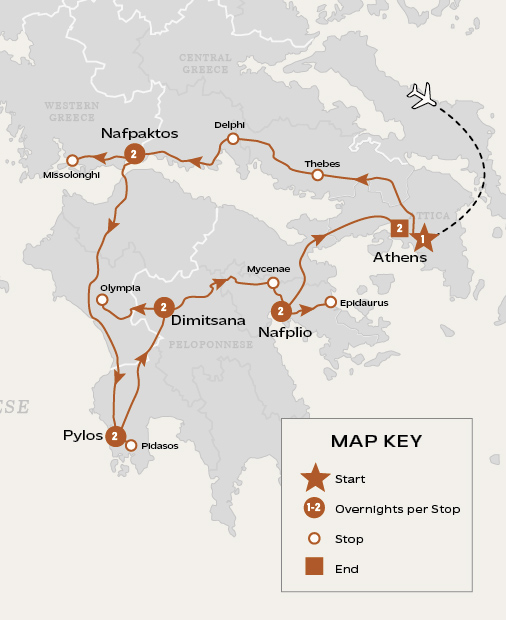
Welcome to Athens, named for the Greek goddess of wisdom. This ancient city gave rise to ideas of beauty and democracy that still shape our world today. At 4:00, we’ll meet our Alithea guide for a welcome meeting in our hotel.
This afternoon we’ll meet our local guide at the Acropolis for a tour of the ancient sanctuary at the height of the city. This is the highest point of the city, the place of honor, clarity, perspective, and promise; it was here ancient Athenians came bearing gifts and saw divine possibilities in human actualities.
Here we’ll visit the Parthenon, the temple dedicated to Athena, who won the Athenians’ favor by giving them the olive tree, a symbol of peace, wisdom, and prosperity.
After our visit, we’ll gather for our first group dinner and begin our journey together as an Alithea traveling family.
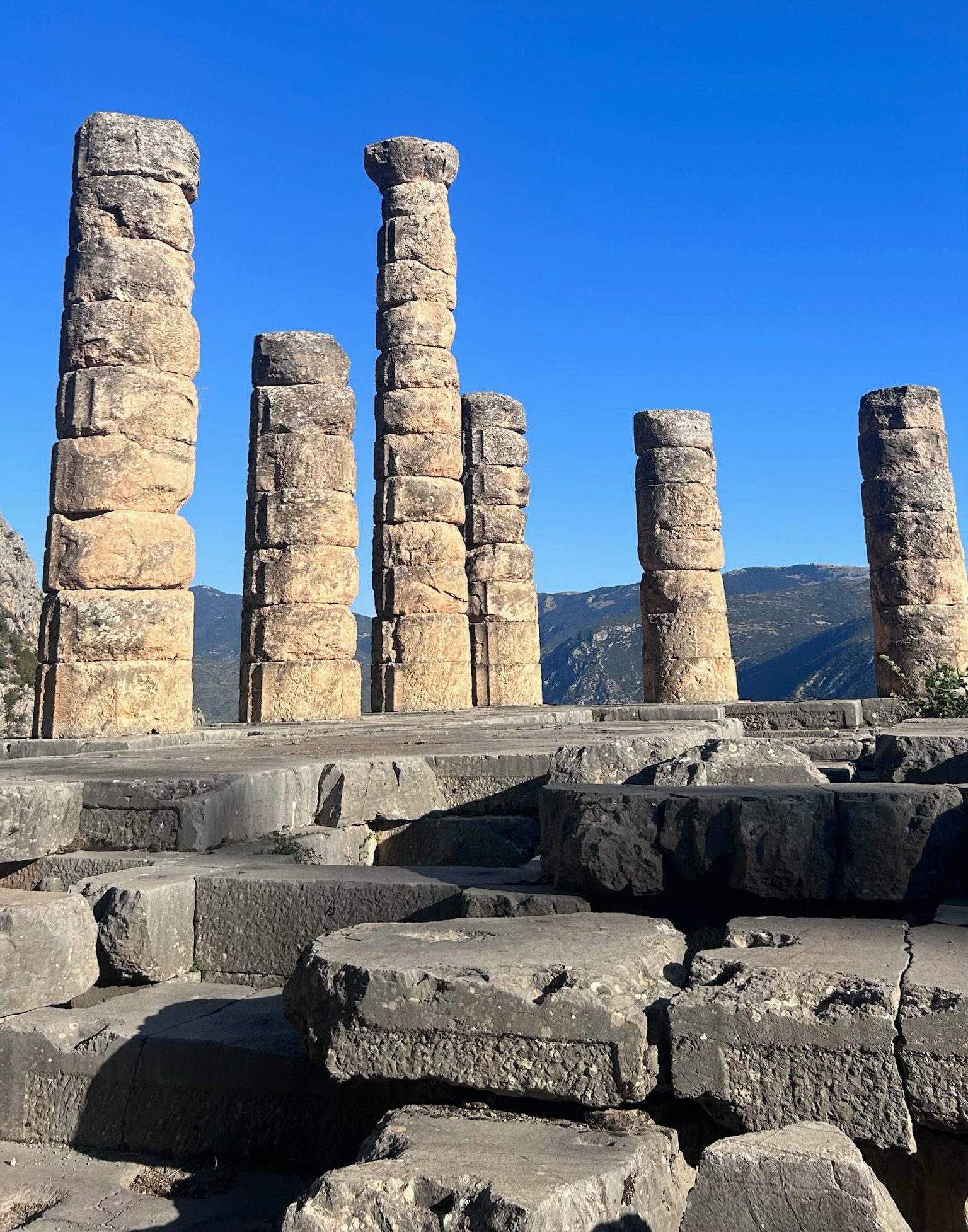
This morning we’ll meet our bus and journey north through the dramatic countryside towards Thebes, the city of Oedipus, before turning west to the hills and the ancient sanctuary of Delphi. Dedicated to Apollo, the god of knowledge, the Oracle of Delphi was considered the center of the world in antiquity.
According to legend, the spot was marked by the stone Zeus cast down from the heavens, the same stone that was used to trick the monstrous titans, a metaphor for human cleverness and the intelligence of the gods. This pilgrimage site has been famous for its purifying waters and the prophetic power of the oracle for more than three thousand years. Nestled below Mount Parnassus, the birthplace of the muses, the view of the surrounding mountains is truly glorious.
Today we’ll see the temple to Apollo, the theater, the place that marked the center of the ancient world, and the archaeology museum of Delphi.
After a mountain-view lunch, we’ll continue to Nafpaktos, a beautiful town on the Gulf of Corinth, where we’ll stay for two nights.
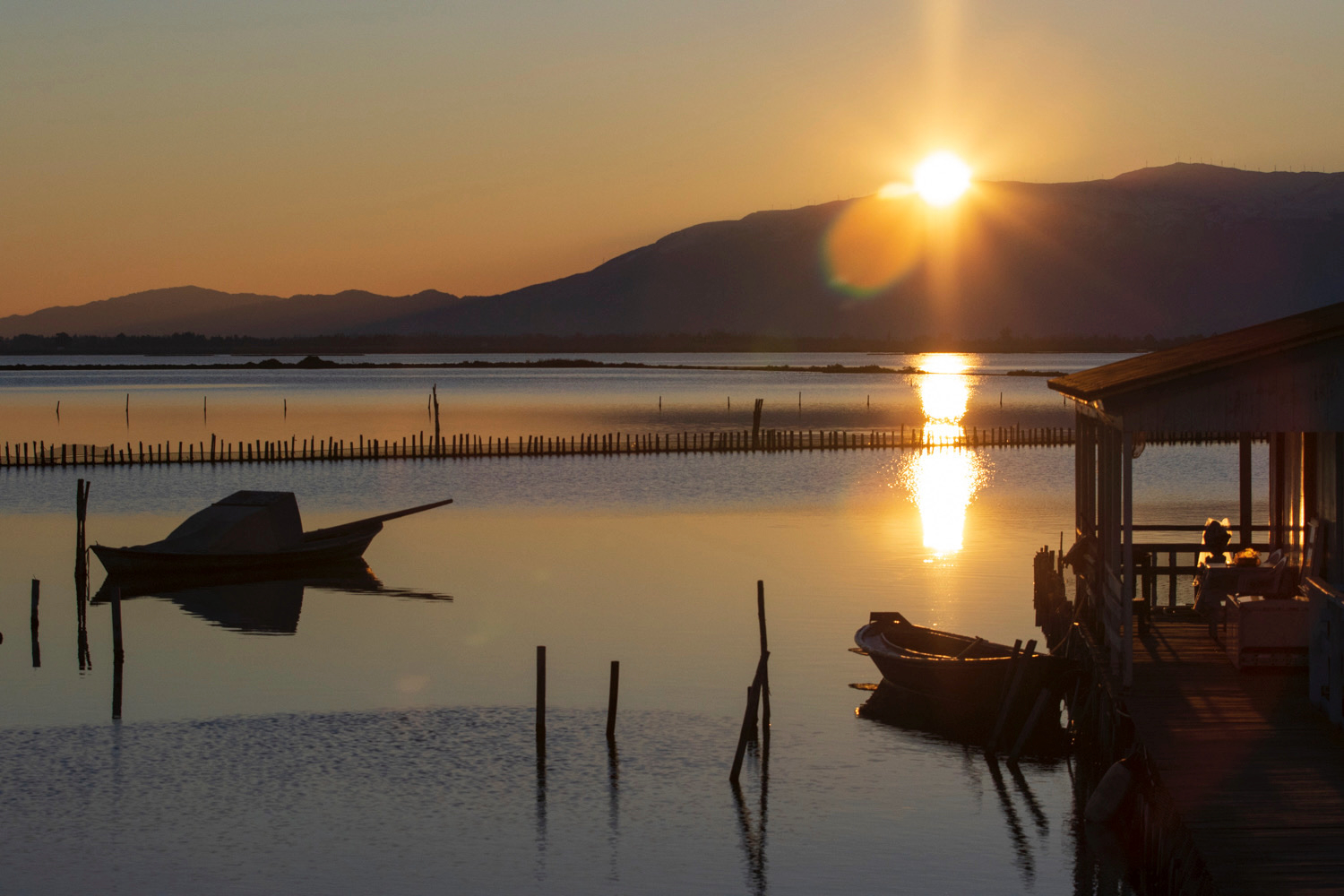
This morning we’ll drive to nearby Messolonghi for a truly unique experience with locals. After taking in the spectacular view from the height of the ancient acropolis, our local guide will introduce us to a community approach to ecotourism. Messolonghi’s lagoons are famous for their salt flats, for their biodiversity (including the famous flamingos), and for the flat-bottomed fishing boats, the priaria, that collect some of the world’s best caviar.
We’ll head out in the priaria with local fishermen in order to learn more about the local culture and enjoy a unique experience on the lagoon.
For lunch today, we’ll continue our hands-on experience as we learn about the local traditions and enjoy a meal featuring the flavors of the lagoon.
We’ll be back in Nafpaktos in time for a quick dip in the sea, a late-afternoon stroll through town, and an evening meal, or a glass of wine while enjoying the romantic Venetian harbor.
After saying goodbye to Nafpaktos, we’ll continue our journey south toward the beautiful region of Messinia and the seaside town of Pylos.
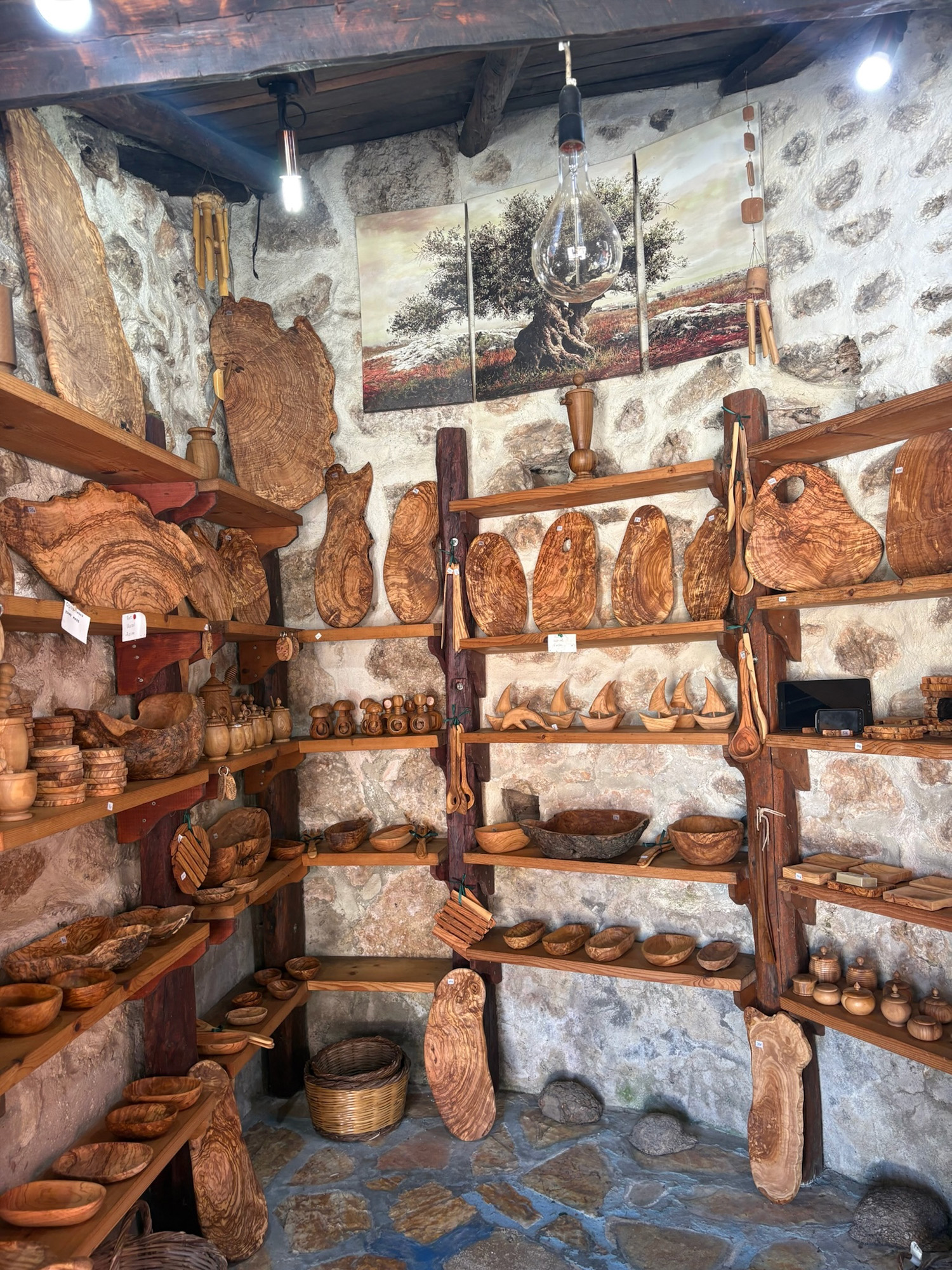
Along the way, we’ll stop in Pidasos for a visit to a local olive mill and learn more about one of the traditions that has shaped Greek life for thousands of years: olive oil production.
After our visit, we’ll continue to Pylos, a beautiful seaside town overlooking the Ionian Sea. We’ll settle into our hotel and enjoy the relaxed atmosphere of this coastal corner of the Peloponnese.
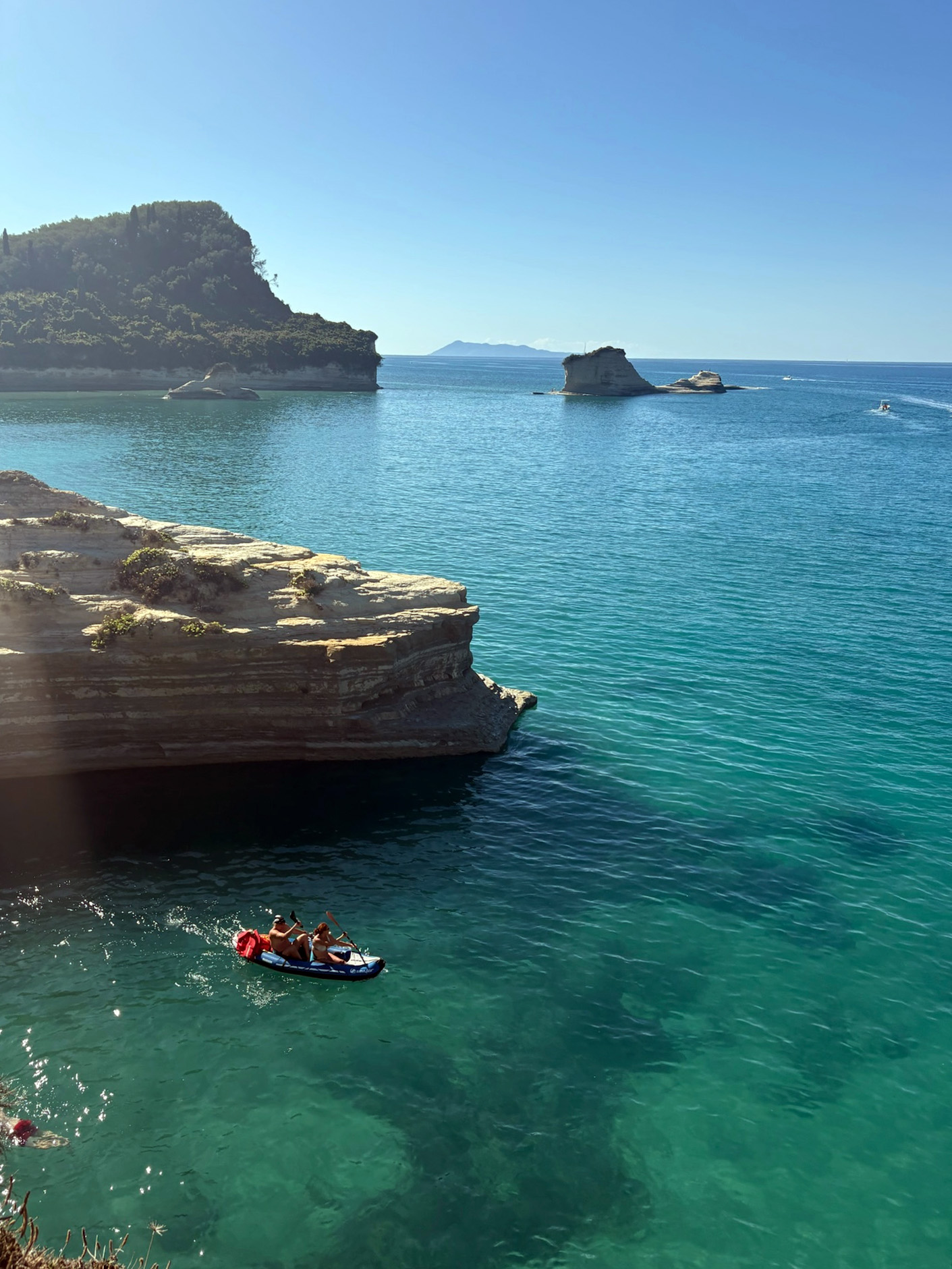
Today’s activities will be weather dependent. If the weather is beautiful and sunny - as it usually is - and not too windy, we’ll head out by boat to explore the nearby islands, secluded beaches, and underwater ruins of ancient Greek columns and sarcophagi. This area is famous as the ancient kingdom of the wise King Nestor from Homer’s Iliad.
We’ll enjoy lunch on the boat as we take in the crystal waters and beautiful coastline of the Ionian Sea.
We’ll return to our seaside retreat for a late afternoon and easy evening, enjoying the sunset over the Ionian Sea.
After breakfast, we'll depart seaside Pylos for a drive toward the beautiful sanctuary of Ancient Olympia. The place was sacred from at least the eighth century B.C. and takes its name from the mythic home of the gods. We’re familiar with the games that once took place in this Olympic stadium because they inspired our own modern games and the pursuit of excellence. The Olympic Games took place here every four years for a thousand years from 776 B.C. to 393 A.D.
After a guided tour of the museum and the massive temple stones now resting in the shade of tall oak trees and the quiet rustling of birds, we’ll continue our journey into the mountains of Arcadia.
This evening we'll arrive in Dimitsana, a mountain village nestled in beautiful Arcadia, where we’ll enjoy a group dinner and spend the next two nights.
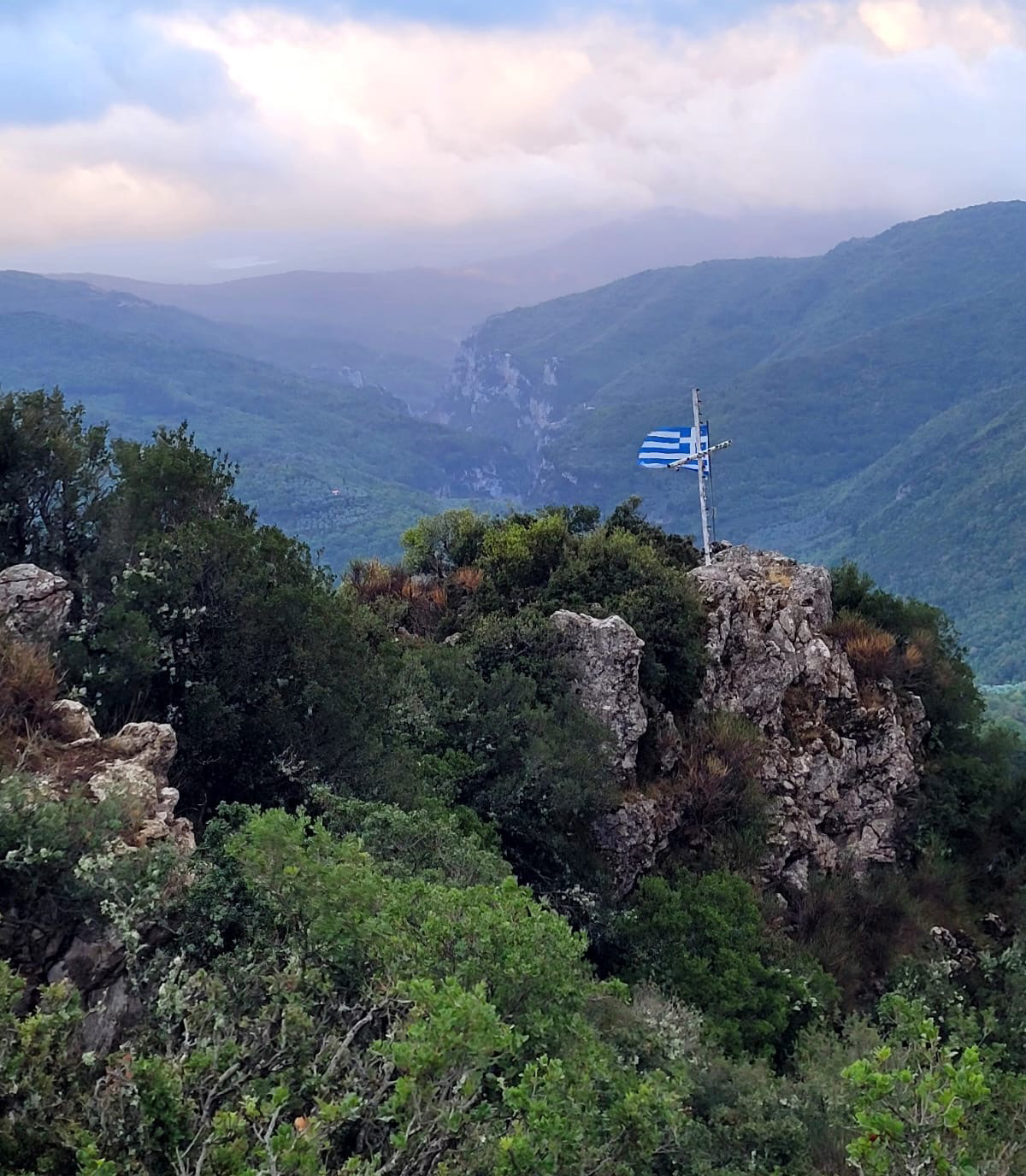
On a pilgrimage-hike through the Lousios Gorge, famous for its stunning beauty and the musical hum of the nearby Lousios River, we’ll visit three monasteries. The oldest and now abandoned, Philosophou, or Philosopher, monastery dates back to the middle of the tenth century, and its high sparrow perch on the cliff’s edge is indicative of a life of contemplation. For centuries, this was a center of literacy and culture, housing a secret school during the Ottoman Empire. Seven Patriarchs and seventy bishops were educated here.
We’ll also visit the New Philosophou Monastery, built in the middle of the seventeenth century and frescoed with the colorful lives of the saints. Around noon, we’ll arrive at the inspiring Prodromos Monastery, built into the cliff's edge. Operating as a hermitage from the twelfth century, Prodromos, or the Forerunner, referring to Saint John the Baptist, is situated between the silence and indescribable beauty of nature.
After lighting a candle for a loved one and contemplating the scenes of the frescoed walls, we’ll regroup for a picnic lunch before returning to Dimitsana for a free afternoon.
This morning we’ll leave Dimitsana and continue toward the ancient region of Nemea, a place deeply connected to Greek mythology, athletic traditions, and the cultivation of wine.
We’ll visit a local winery and learn about the region’s long tradition of winemaking before enjoying lunch.
From Nemea we’ll continue to the ancient hill-top city of Mycenae, founded according to legend by the hero Perseus. Here the size of the stones of the wall and the Lion Gate are so impressive that in later times they were said to be built by the one-eyed giants, the Cyclopes.
It was from this Bronze Age civilization that King Agamemnon of Homer’s Iliad set out at the head of ten-thousand ships to besiege Troy. The civilization of Mycenae was so prosperous in its day that its name became eponymous with an age of heroes and a closeness to the Olympian gods.
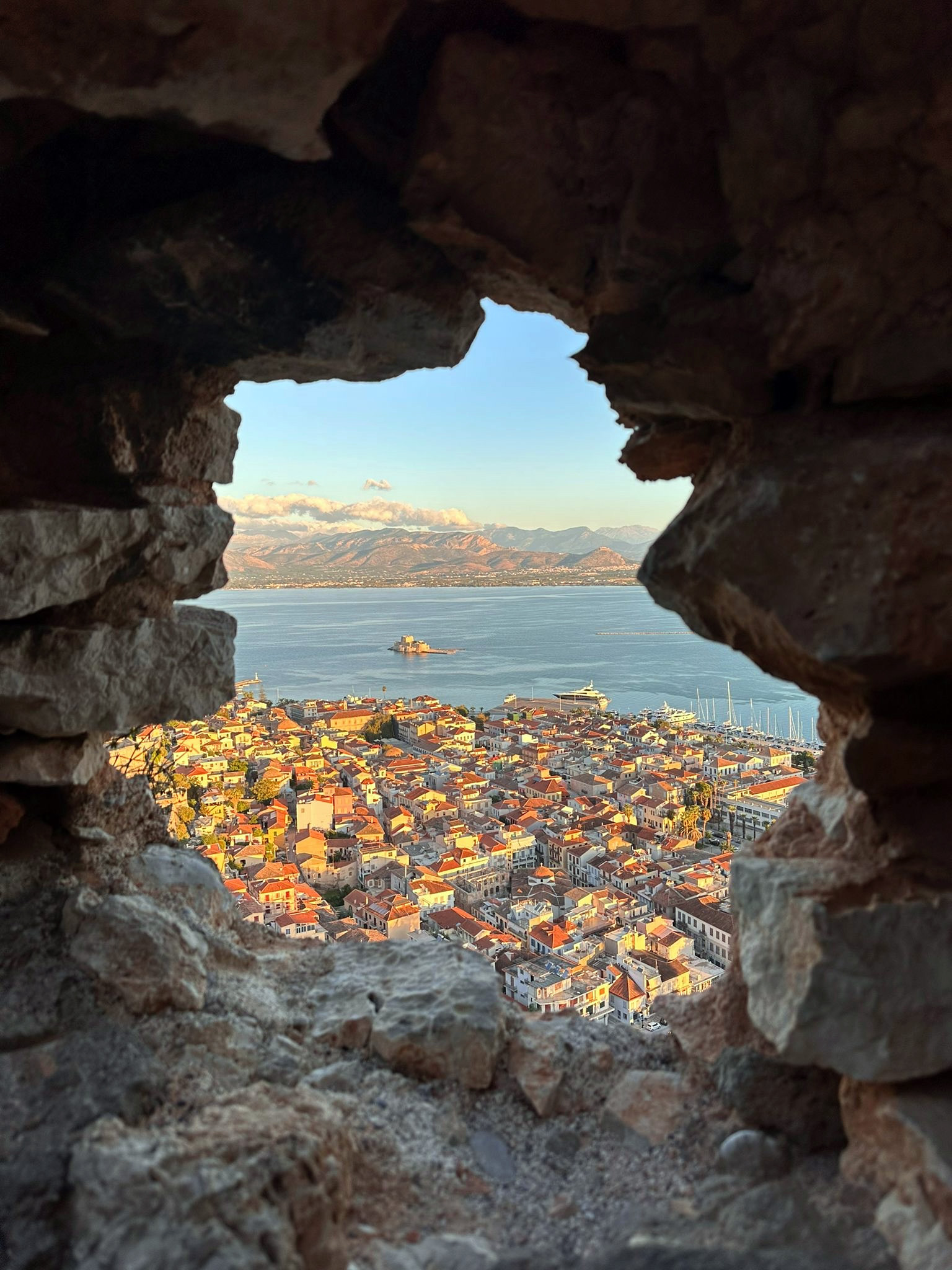
After our visit, we’ll continue to the romantic town of Nafplio, where we’ll stay for two nights.
After breakfast we’ll head toward Epidaurus. This ancient sanctuary is the legendary birthplace of the famous healer, Asclepius, the son of Apollo. In antiquity, it provided respite to those seeking a cure, similar, in some ways, to modern hospitals today.
It also houses one of the best preserved and most impressive theaters from antiquity. In its day, 12,000 spectators could enjoy performances here with the marvelous acoustics that allow voices from the stage to be heard at even the highest seats at little more than a whisper.
After our guided tour through the sanctuary, we’ll return to the romantic town of Nafplio, a one-time capital of modern Greece.
We’ll say antio to Nafplio this morning after breakfast and make the last leg of our classical pilgrimage on the mainland Peloponnese as we return to Athens.
Our first stop today will be the National Archaeological Museum. Our local guide will lead us through the rich layers and geographic expressions of ancient Greek art. Here we’ll see some of the most beautiful tributes of the ancient world to the ideas and deities of beauty, wisdom, strength, and knowledge. There are few places in the world where we see the development of humanity and its ancient expressions of beauty so completely as in this wonderful collection.
After our visit to the museum, we’ll check back into our hotel in Plaka, Athens’ historic center, for a free afternoon.
This morning, we’ll explore Athens together with our guide, visiting the Ancient Agora, one of the most important centers of public and political life in ancient Athens.
The afternoon is free to enjoy Athens at your own pace.
This evening, we’ll celebrate our classical journey through Greece with one last group dinner, sharing our favorite moments from the journey and enjoying our final evening together.
Breakfast is included this day, but there are no planned activities. Your Alithea guide will be available to help with travel plans throughout breakfast as you prepare to continue to your next destination or head to the airport to fly home.
I had an incredible experience with Alithea’s Athens and Cycladic Islands tour. I truly felt like an active participant, fully immersed in Greece’s culture, history, and breathtaking landscapes. From Athens to the Cycladic Islands, every moment was exciting and unforgettable, thanks to Alithea’s attention to detail and personalized approach.
This tour was magical! Jesse, tour guide and fearless leader, is completely genuine! He managed to plan every detail imaginable and still embrace the unexpected moments and opportunities. Sharing these experiences with an awesome group of travelers was the icing on the cake!
This trip was all we had hoped it would be. A full itinerary of historical and archaeological exploration, local cultural participation, adventure, and fun, with fabulous meals and an incredible group. I’m sure I will be booking again.
The small group size was ideal. The attractions chosen were a perfect blend of history, culture and local flavor. No doubt I would book another tour with Alithea Travel and have recommended the tour to other travelers already.
I had the most amazing time of my life. This was the most real travel experience I've had to date. Thank you mostly for showing me that human experiences can be the most fulfilling moments. I learned what real hospitality is, and I loved the small group, family-style tour–it felt like a family. Traveling with Alithea has helped me know what I want to do in life.
I can’t recommend Alithea Travel enough. From the thoughtfully planned itinerary, wonderfully small group size, excellent food and the friendliest, well-located accommodations, it all exceeded my expectations. But what really set this trip apart from the many other very enjoyable small group tours that I have taken is Jesse Blackwood himself.
Throughout the trip, I felt like a local—not a tourist. The itinerary was filled with unique activities that immersed us in native culture, led by knowledgeable, passionate, friendly, and kind guides. I would 100% recommend traveling with Alithea.




The name of our company, Alithea, is the Greek word for truth. It literally means to un-forget. Traveling to Greece is like this: an invitation not to forget yourself through travel, but to remember. Greece offers this renewal in countless ways, through a higher purpose and connection to the land, but also by reminding travelers that life's greatest journeys don't simply bring us to new horizons, they awake them in ourselves.
A trip to Greece should never be a simple list of sites to see. It must be an Odyssey of purpose that uncovers the aspiration towards ideals that define Greece. From a consideration of democracy–power of the people–in the city where it was first practiced, to drama, sculpture, and the pursuit of beauty and an understanding of suffering in all the arts, to the establishment of the sciences through a keen observation of the natural world, an understanding of the stars in astrology, of life in biology, or a love of wisdom in philosophy, to the pursuit of ideals in a life of virtue, of excellence in the Olympic Games, of welcoming strangers in monasteries, and of obeying the imperative to 'know thyself.'
An antidote to the zero sum commerce of consumerism, Greece offers a culture of belonging, tradition, and connection to the land. For the Greeks, olive oil, honey, and wine are not just gifts of the land but lived expressions of belonging, of the reciprocity between nature and civilization. In Greece, the most valuable products cannot be bought in the store, they must be given to you by friends, family, the land, and the work of your hands.
For further questions don't hesitate to reach out to us directly.



%207.25.54%20p.m..png)