

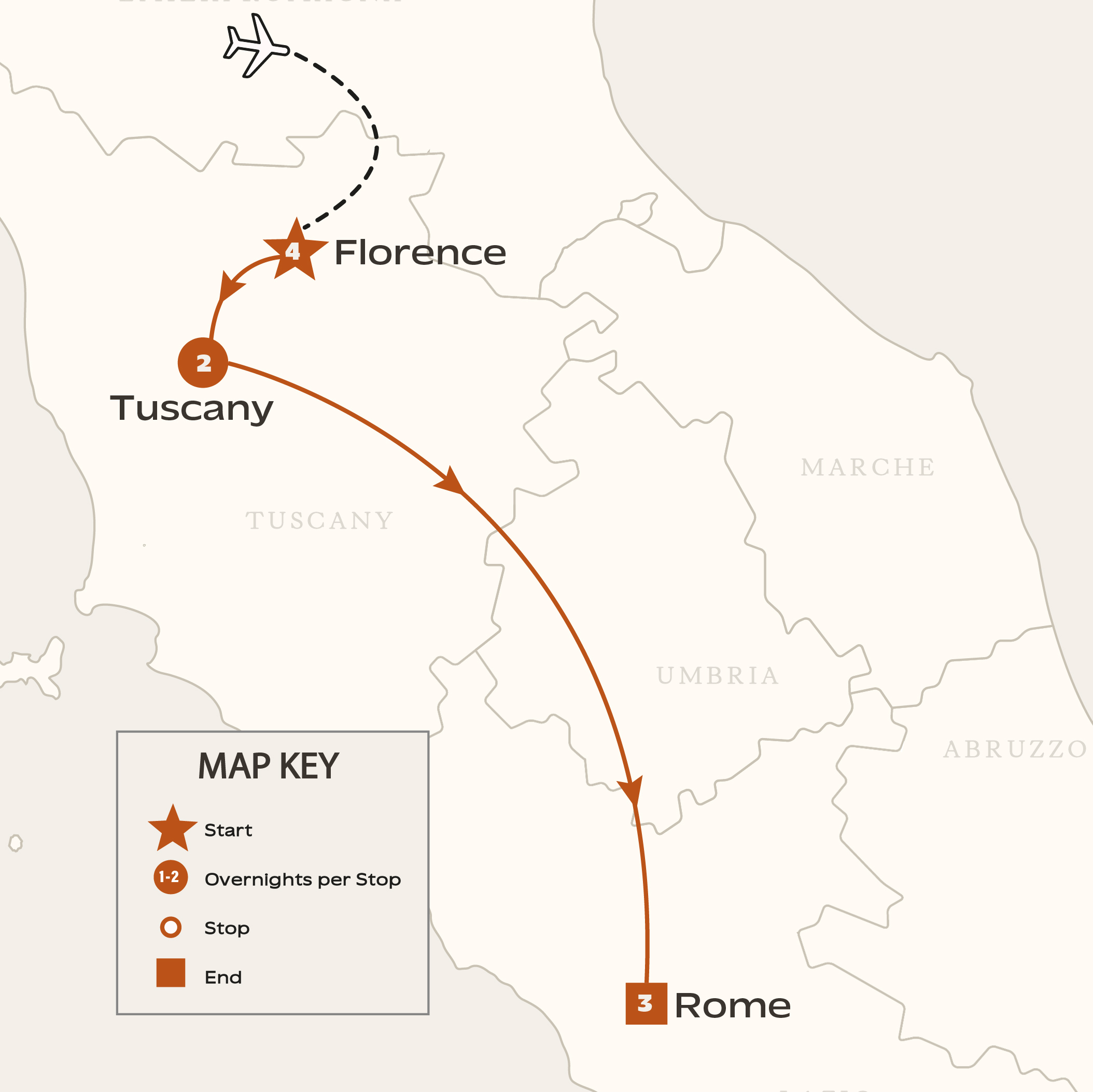
An intensive academic journey for anyone, anywhere who seeks the truth with courage. Over the course of ten days in Tuscany, Florence, and Rome, participants will explore the theme of beauty through primary texts and direct encounters with the art, architecture, landscapes, and living traditions of Italy and the culture of the West.
Through an intensive engagement with the role of beauty in the Western tradition of art and thought as it was conceived in our flagship MA in the Humanities program for 2026-27, participants will wrestle with profound questions that go to the very heart of human experience.
If beauty is the “splendor of truth,” how do we ensure that our attraction to beautiful objects and people in the world helps us—rather than hinders us—in the pursuit of beauty as a transcendent reality? Why have human beings so often found beauty in experiences of suffering and loss? What does the transformation of art and architecture from Classical antiquity through the medieval world and into the Renaissance reveal about Pagan and Christian understandings of human and divine beauty? How might our perception of beauty in symmetry and order inform not only our artistic pursuits but also our understanding of human community?
By pursuing questions such as these in an environment of fellowship and free inquiry, participants will confront beauty as a profound and challenging reality that must be sought with courage, humility, and steadfastness.
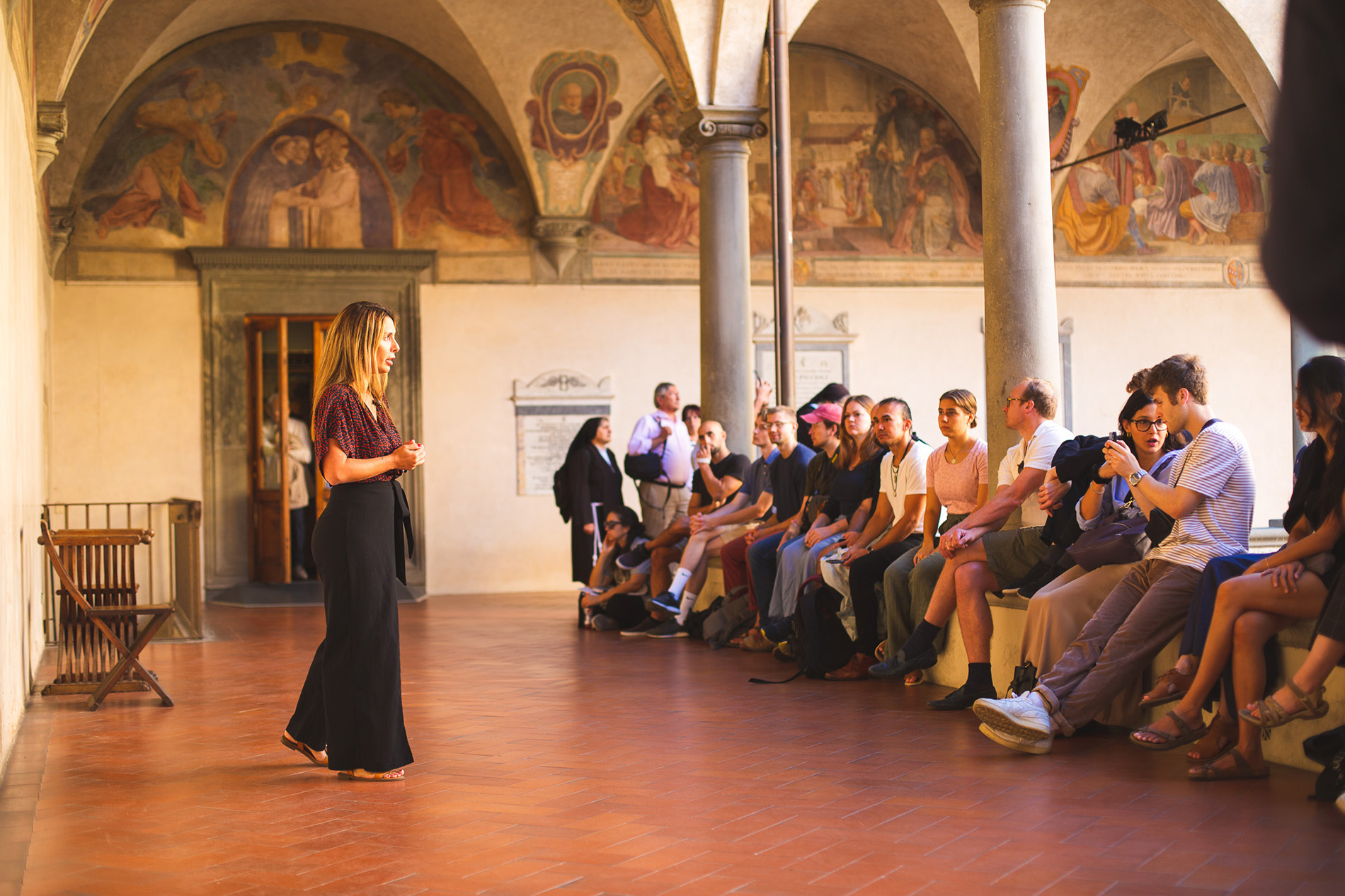


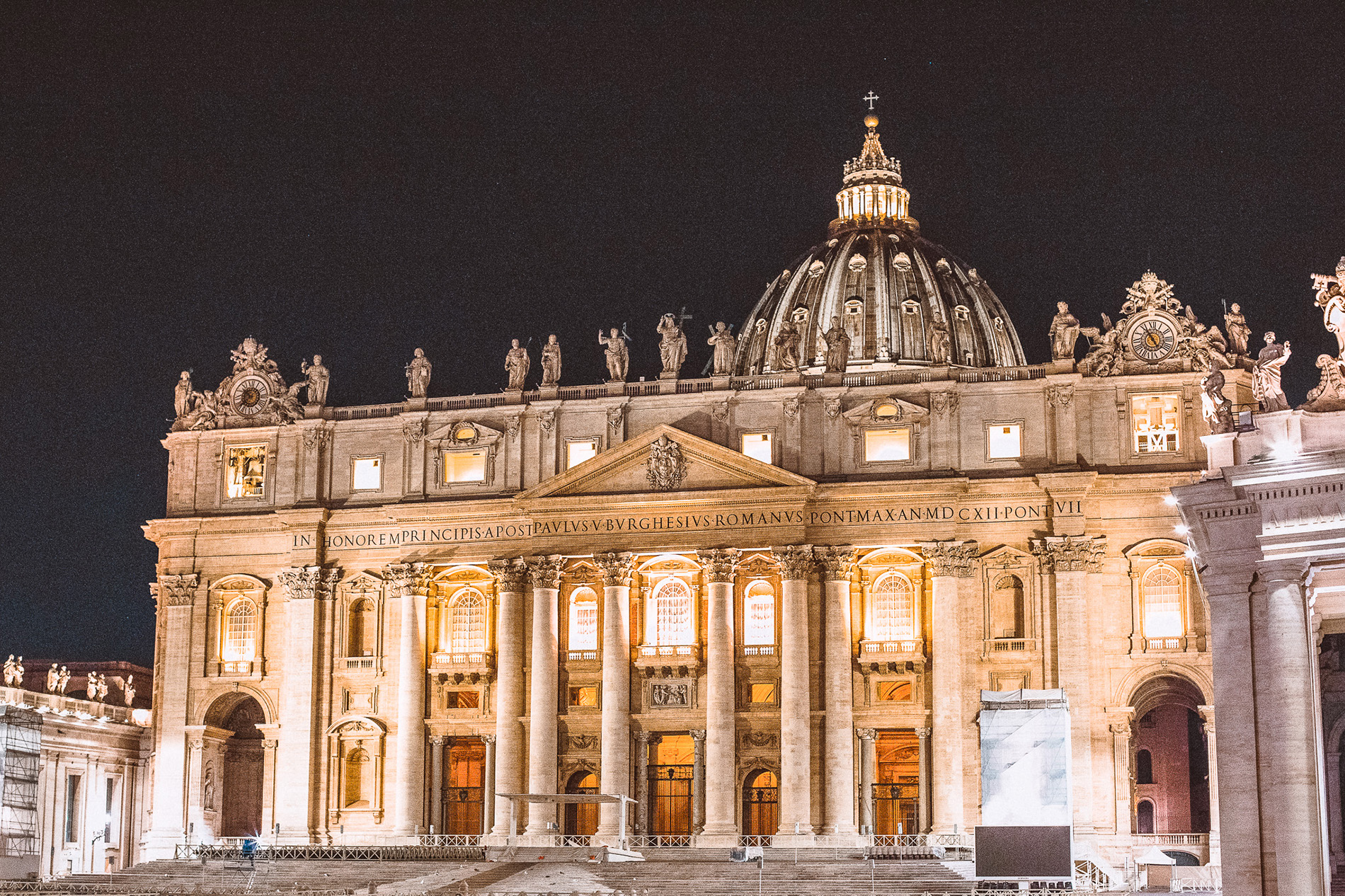
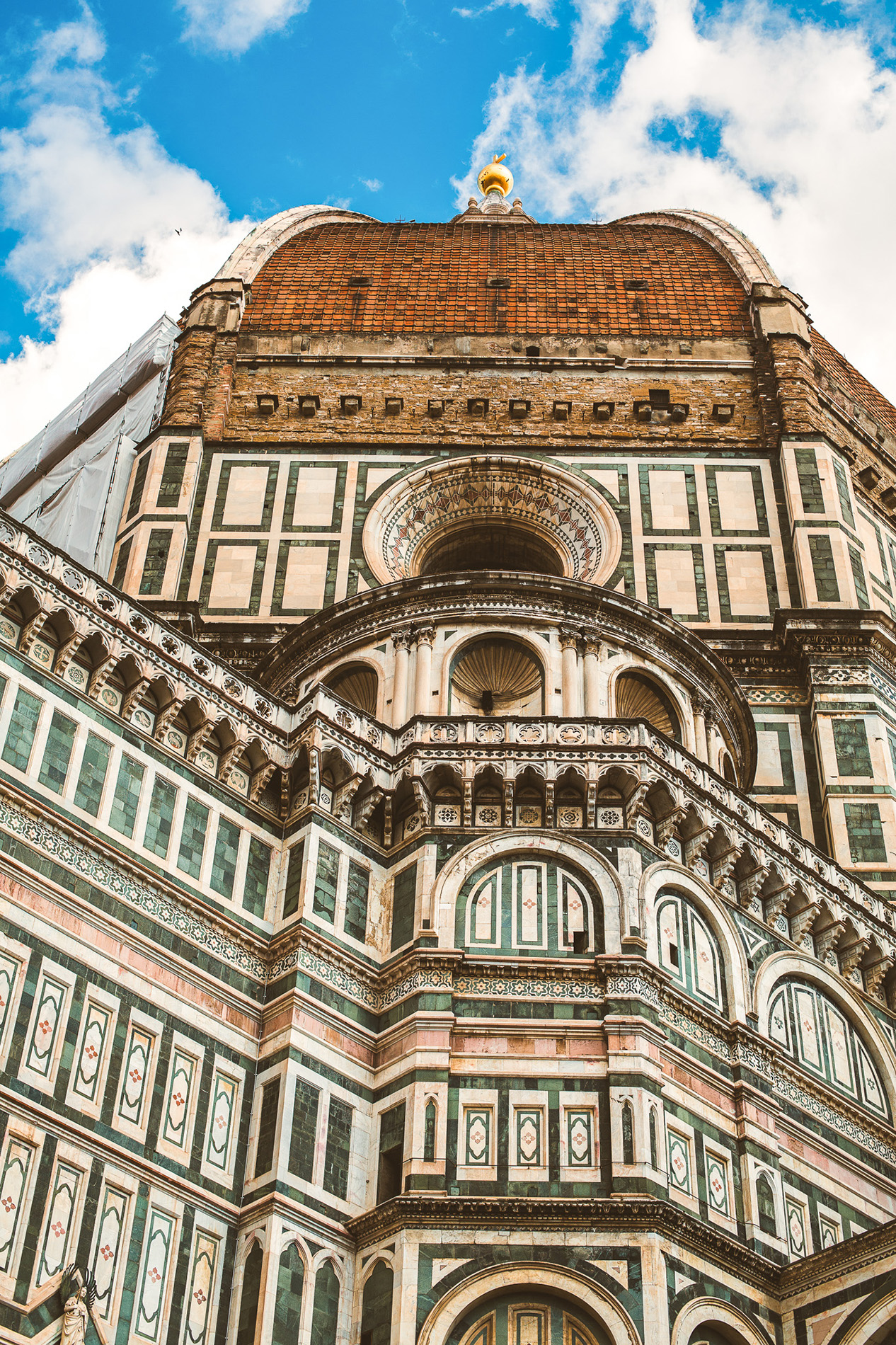
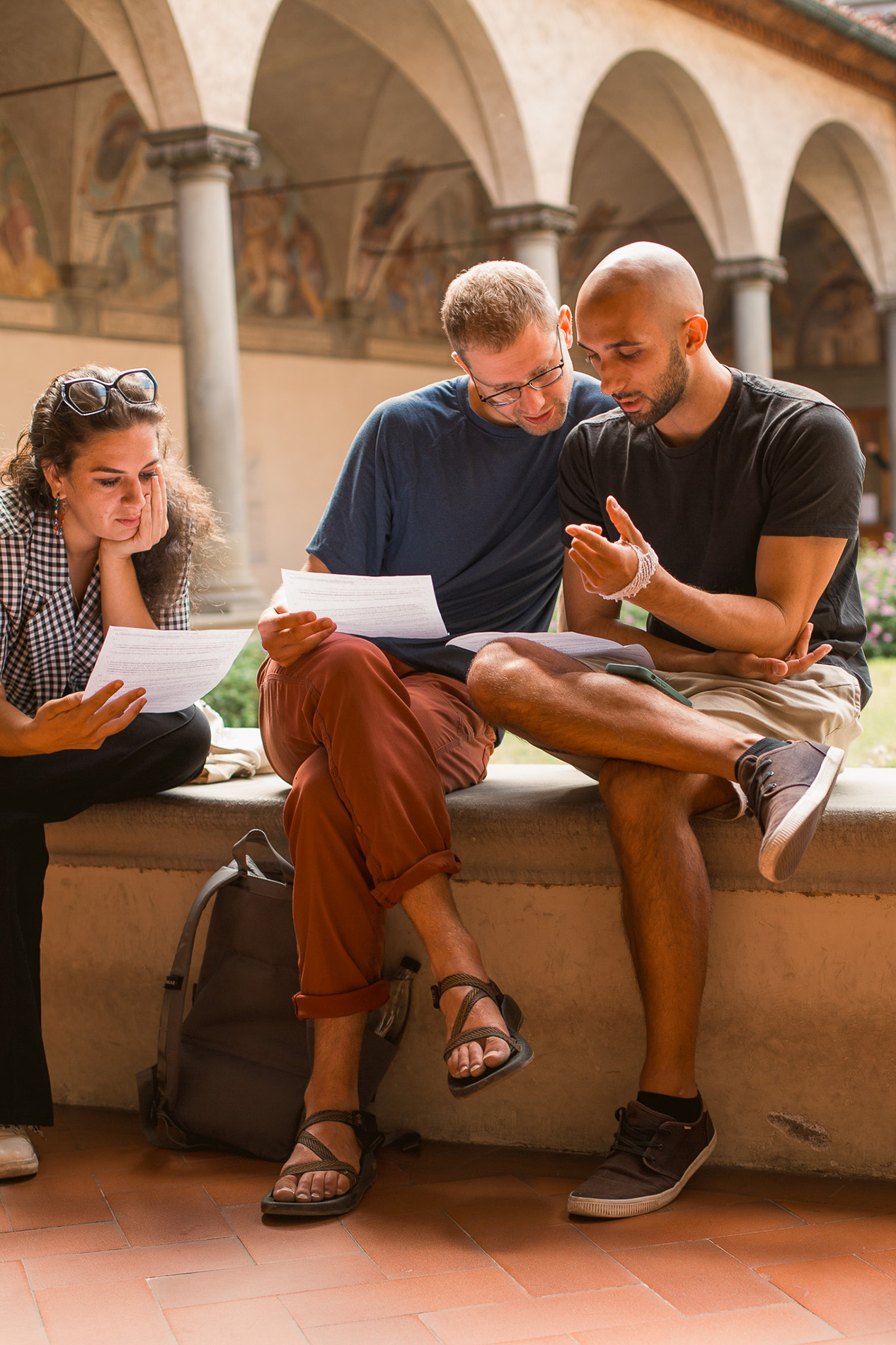
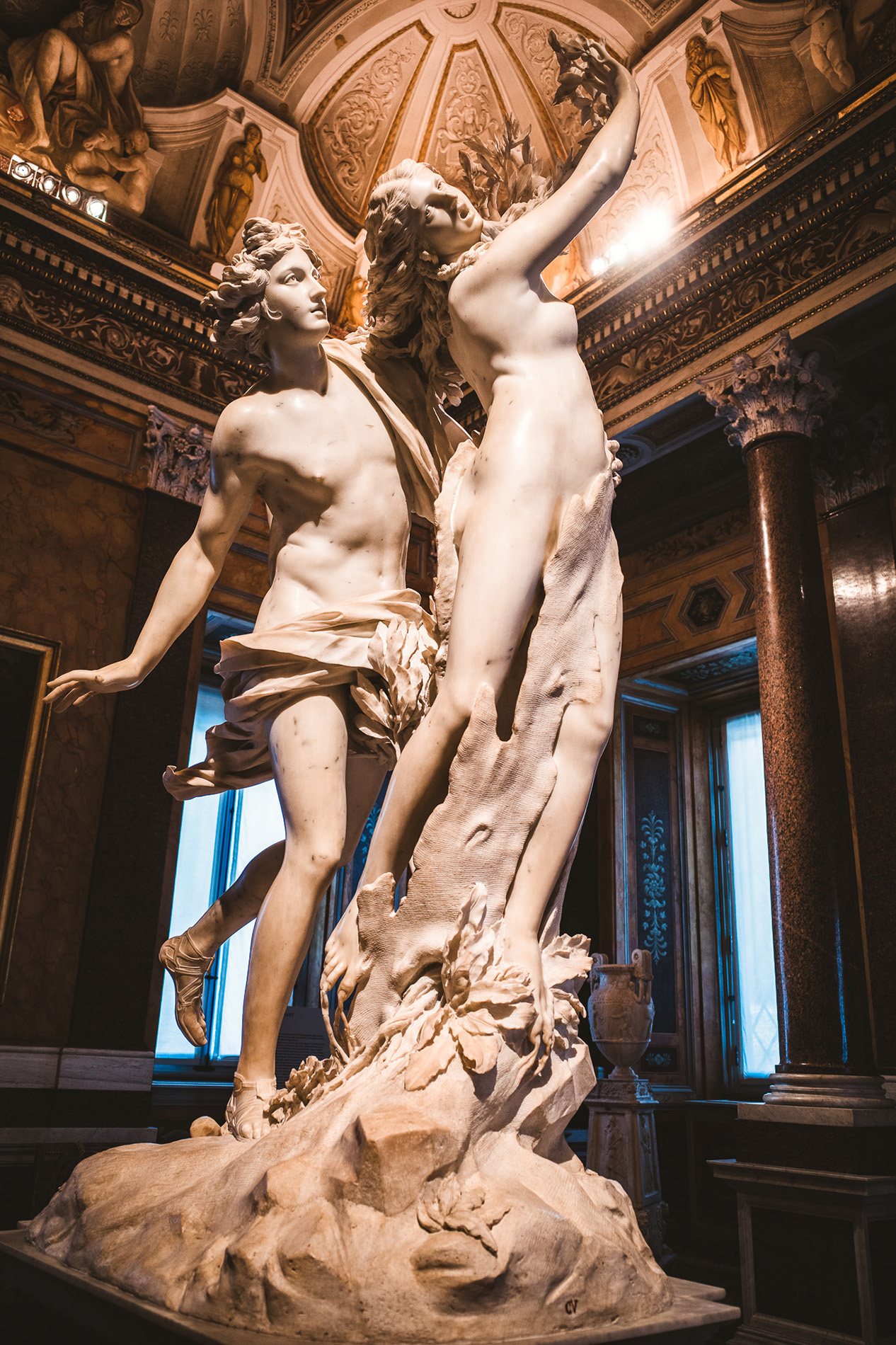
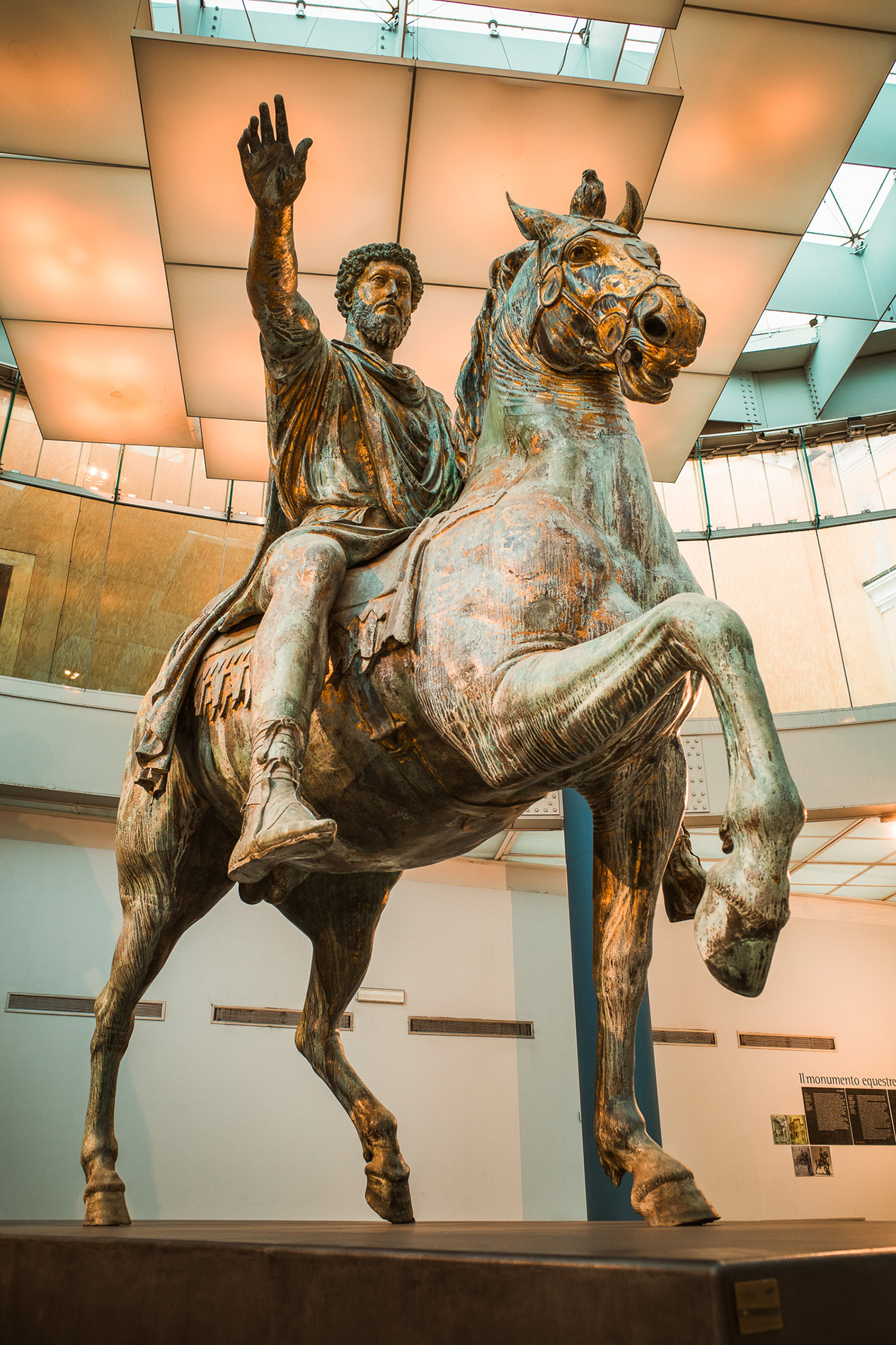
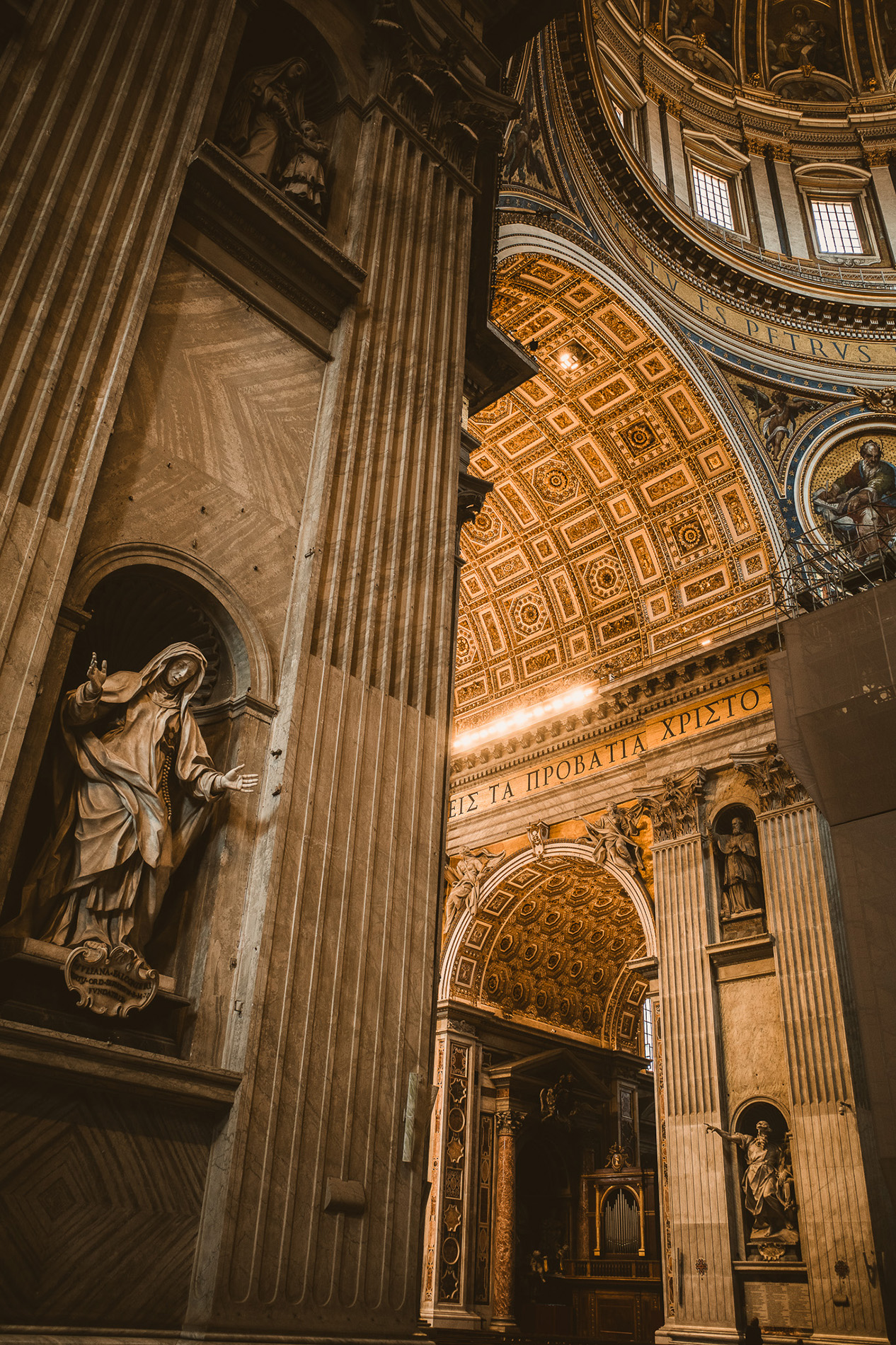
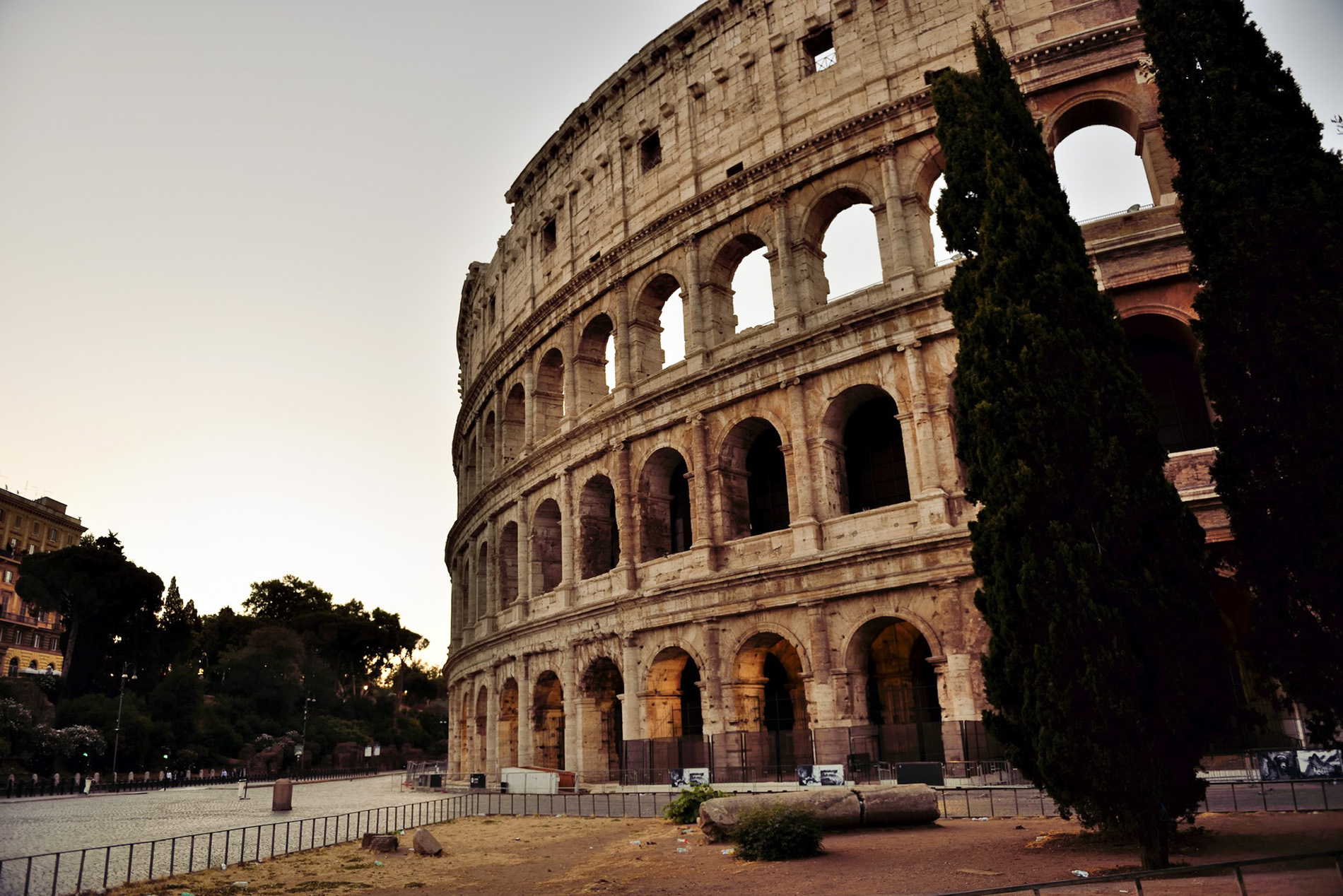
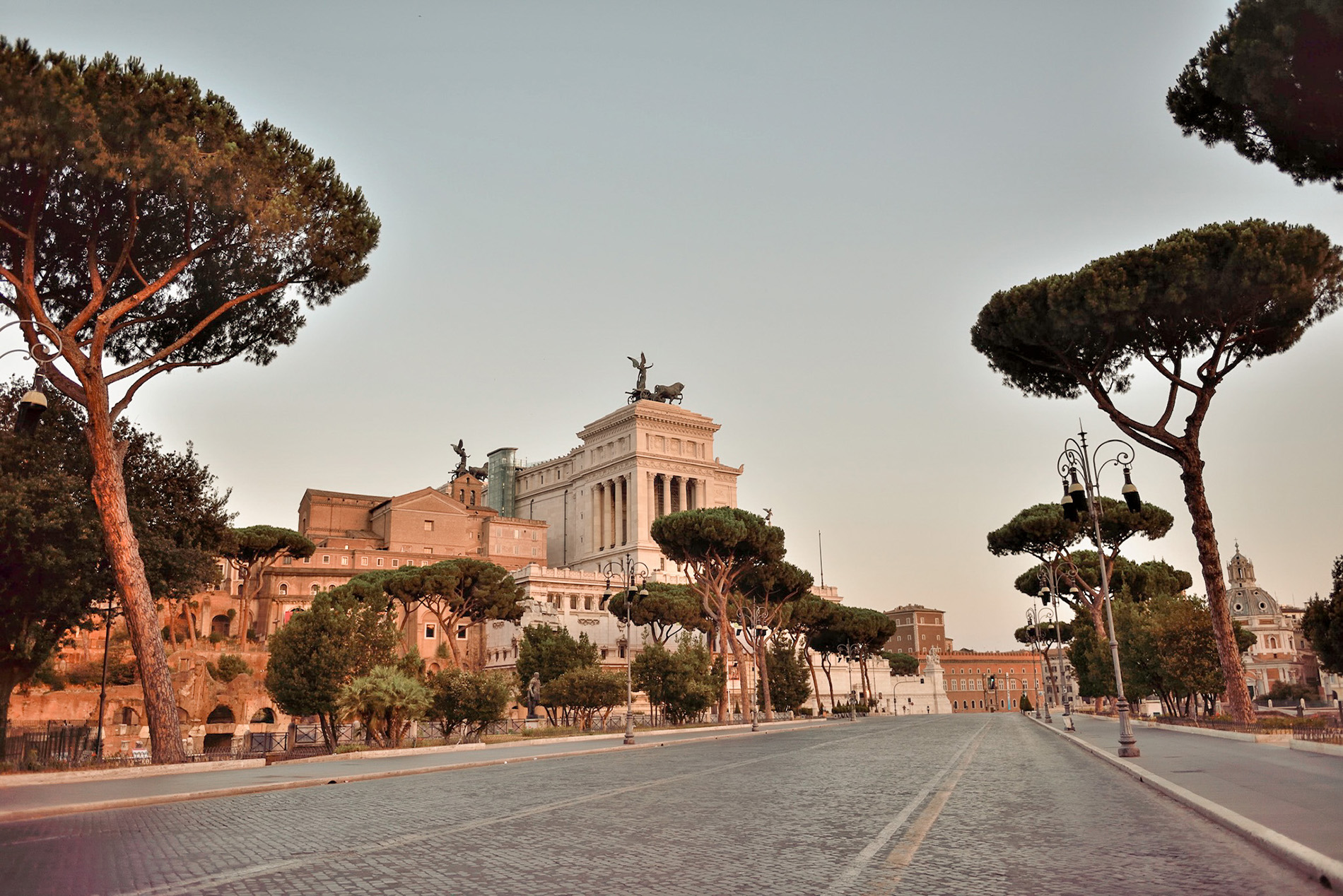
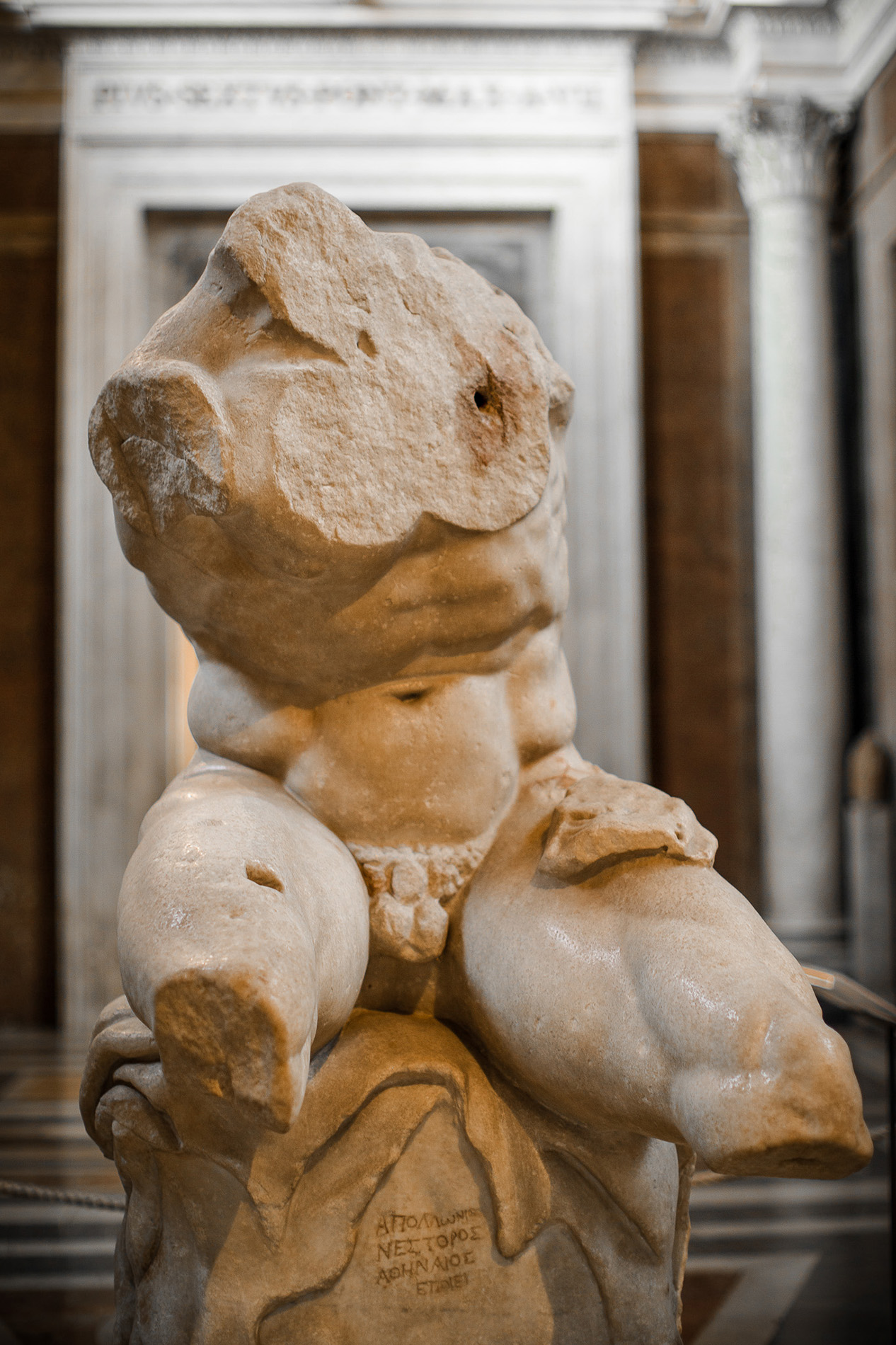
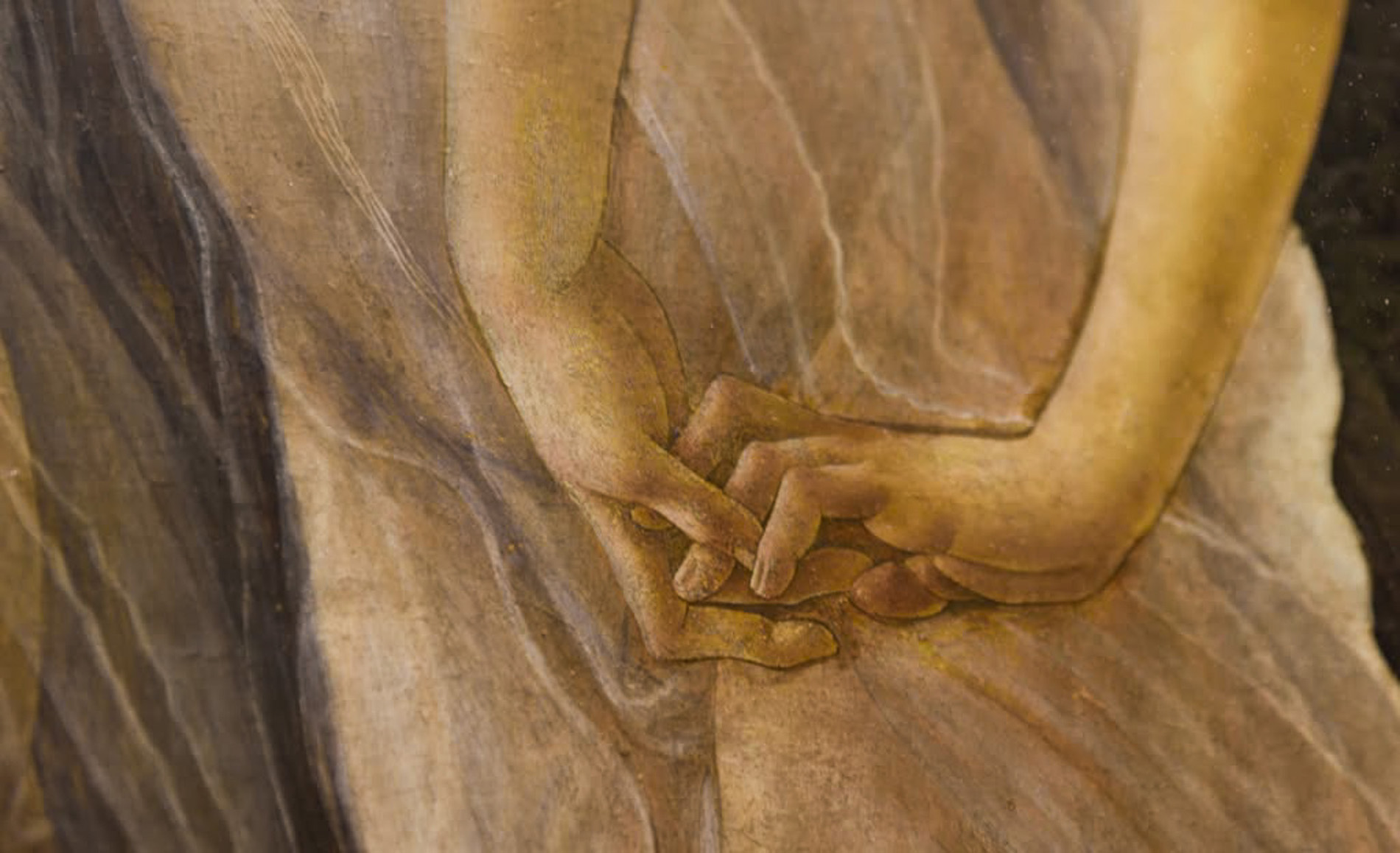
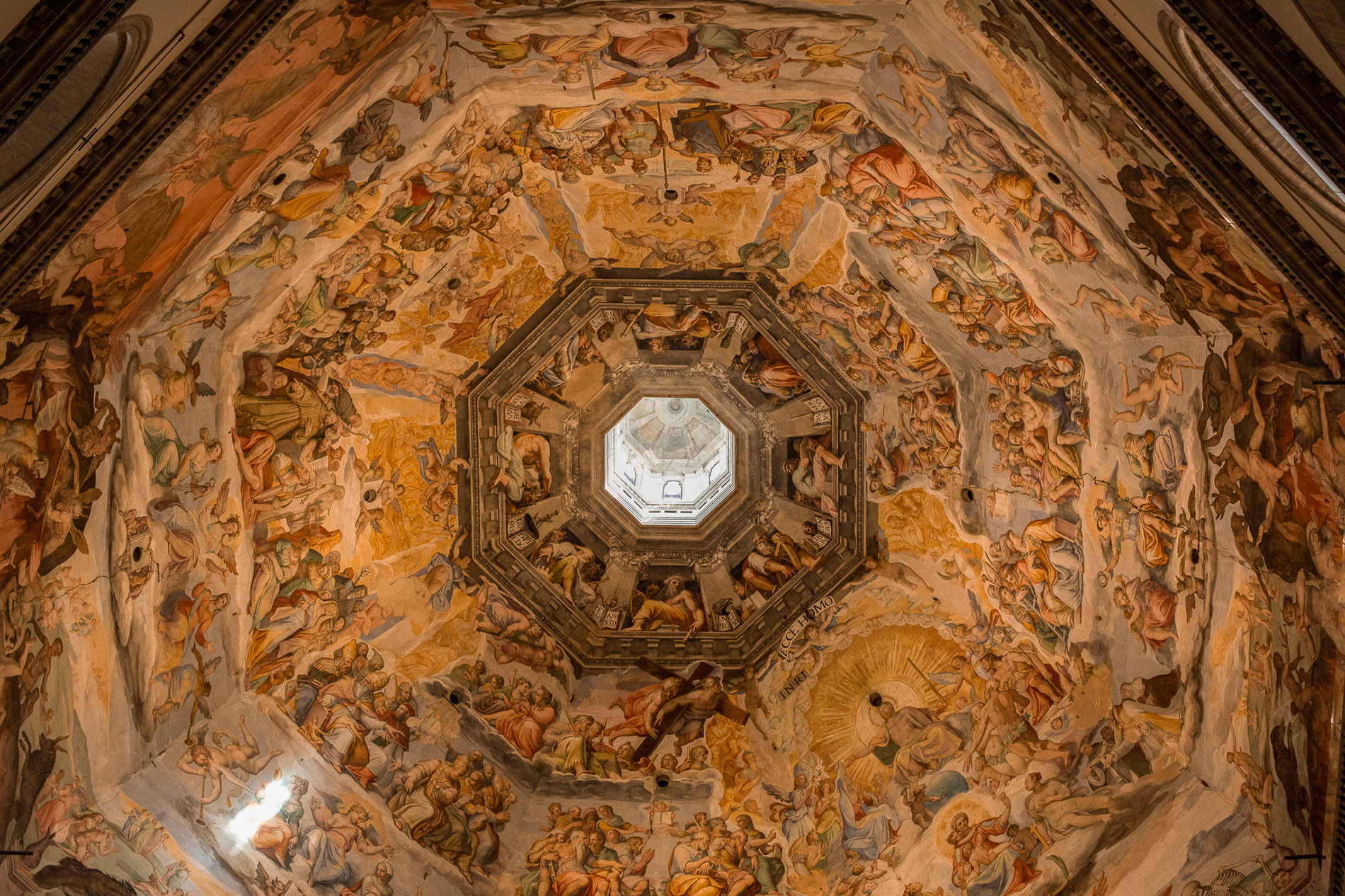
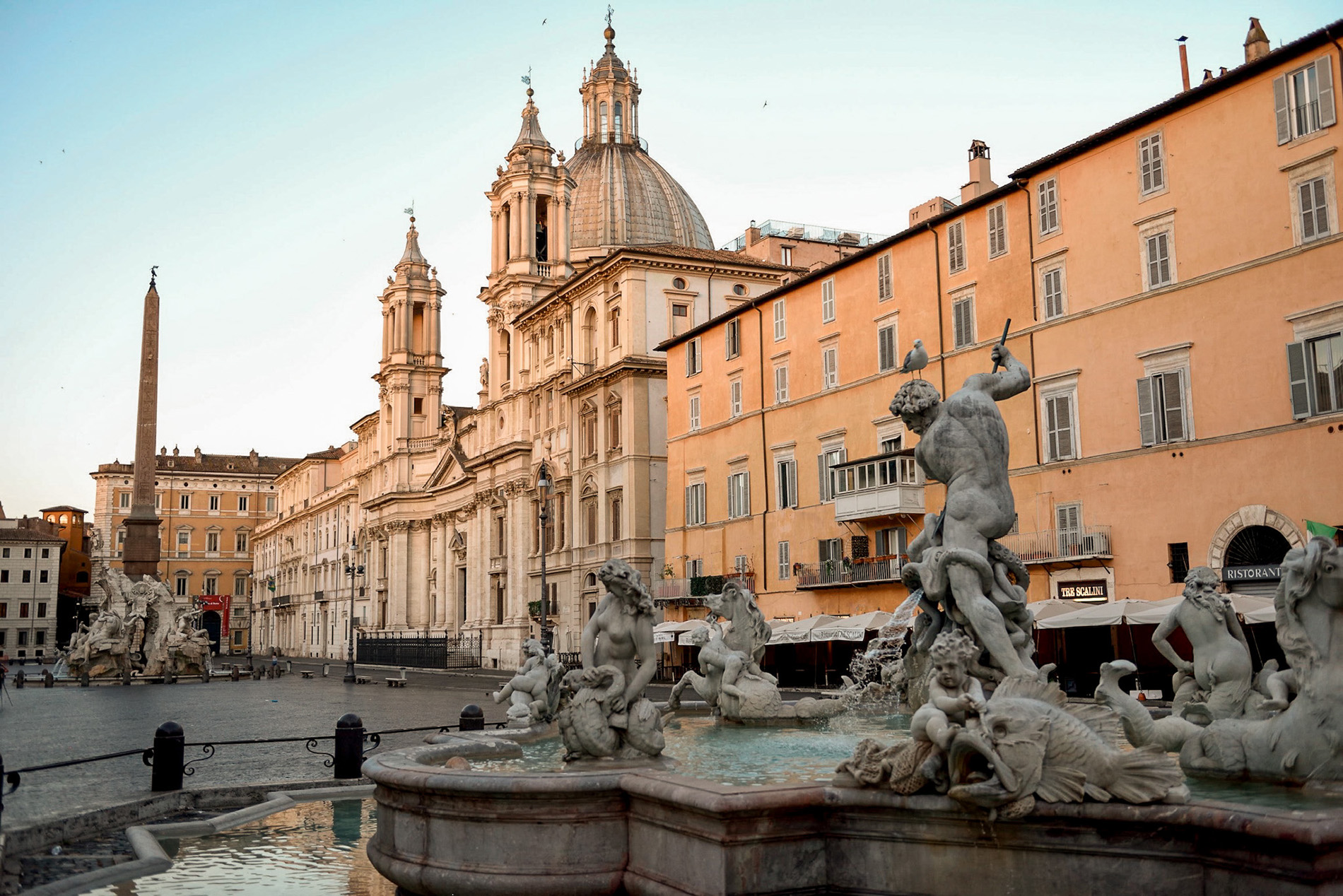
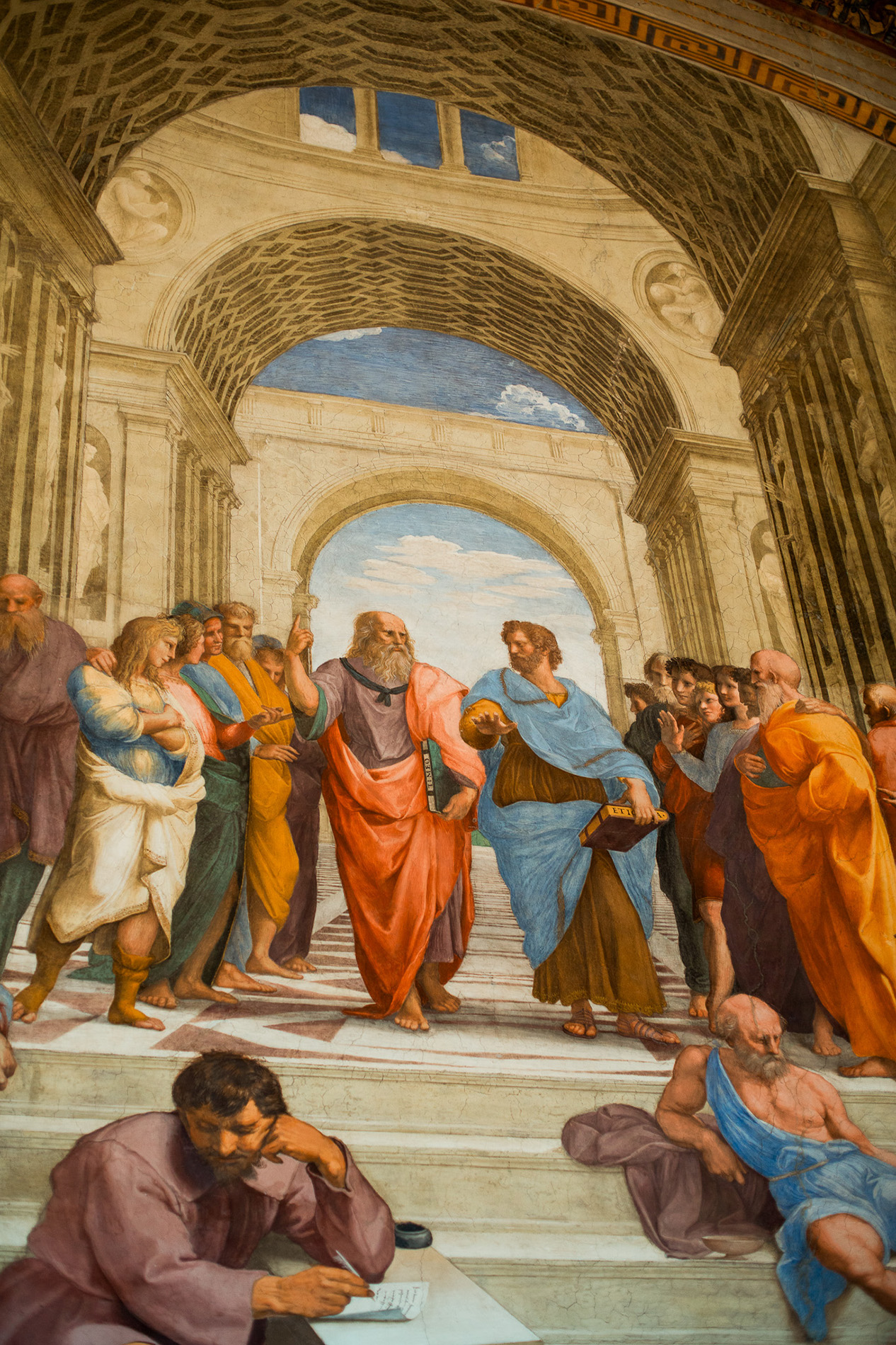
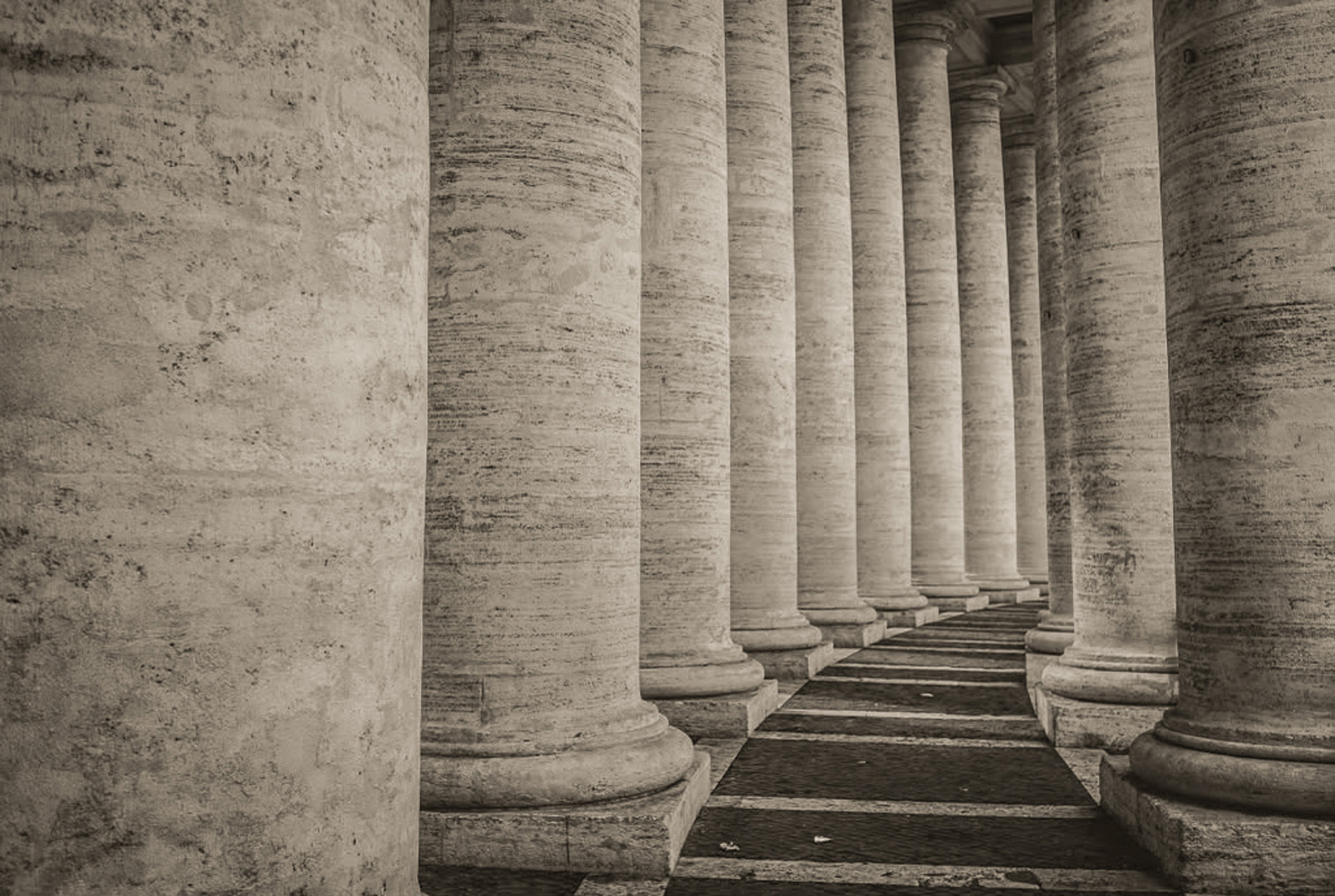
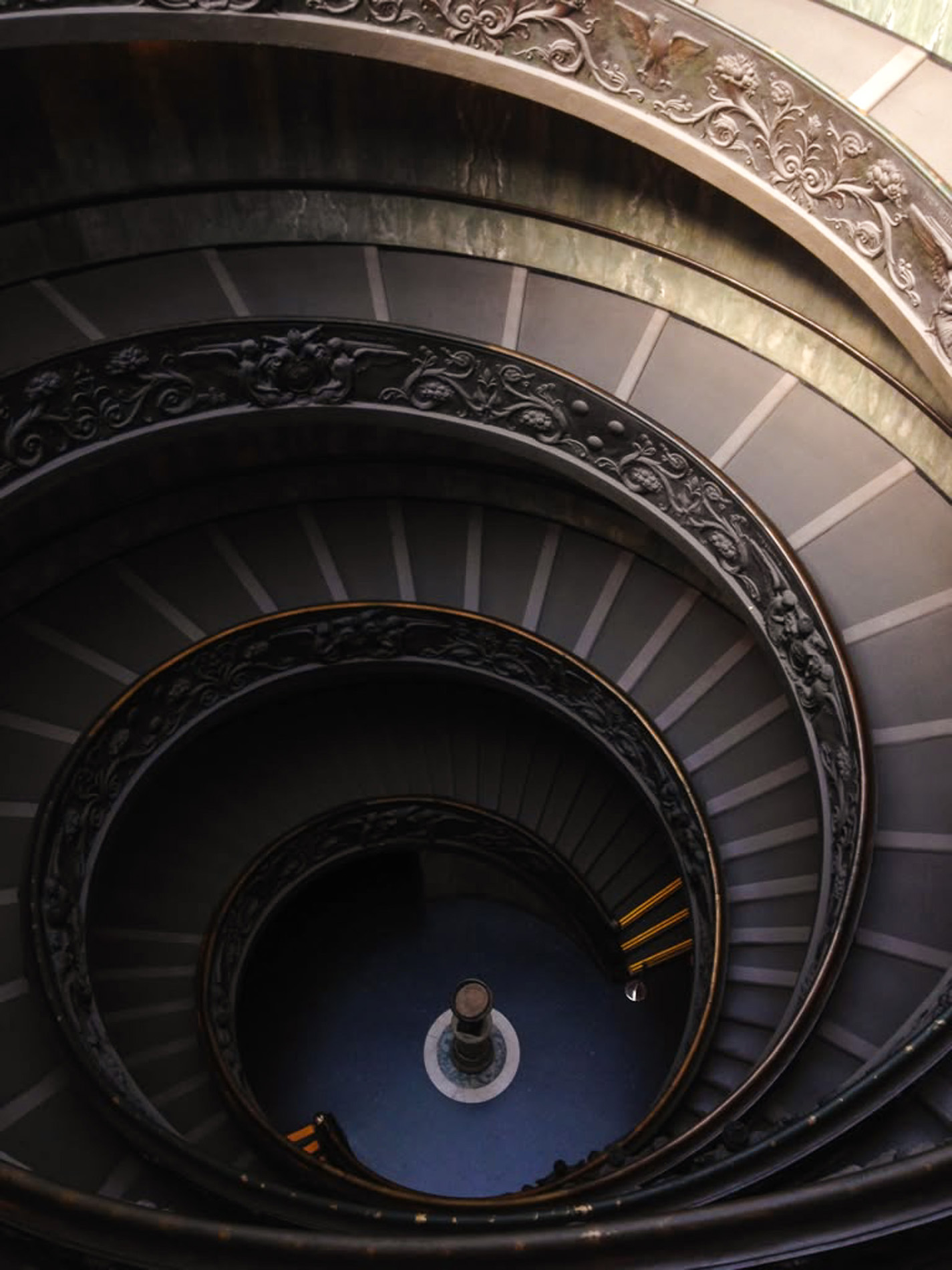
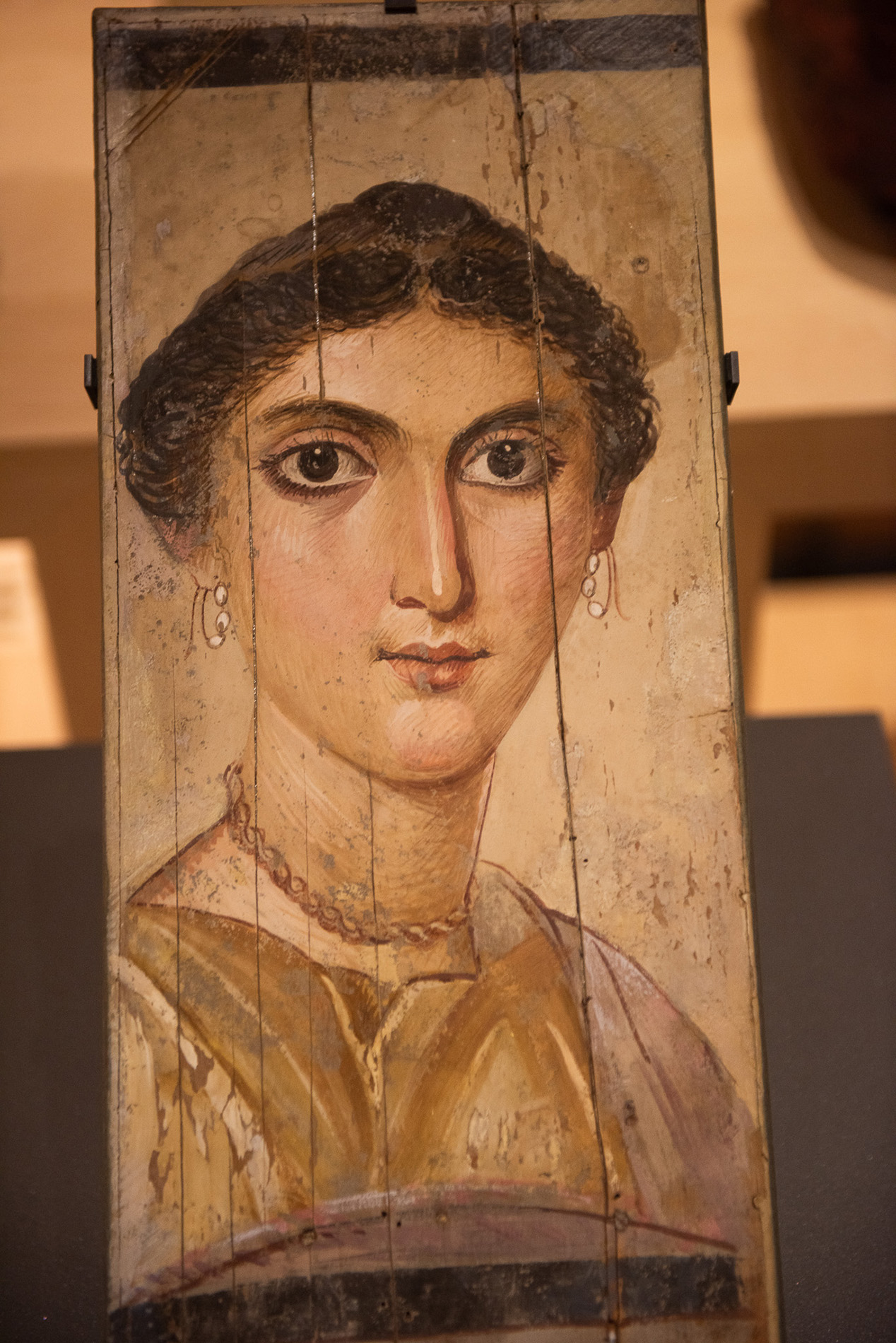
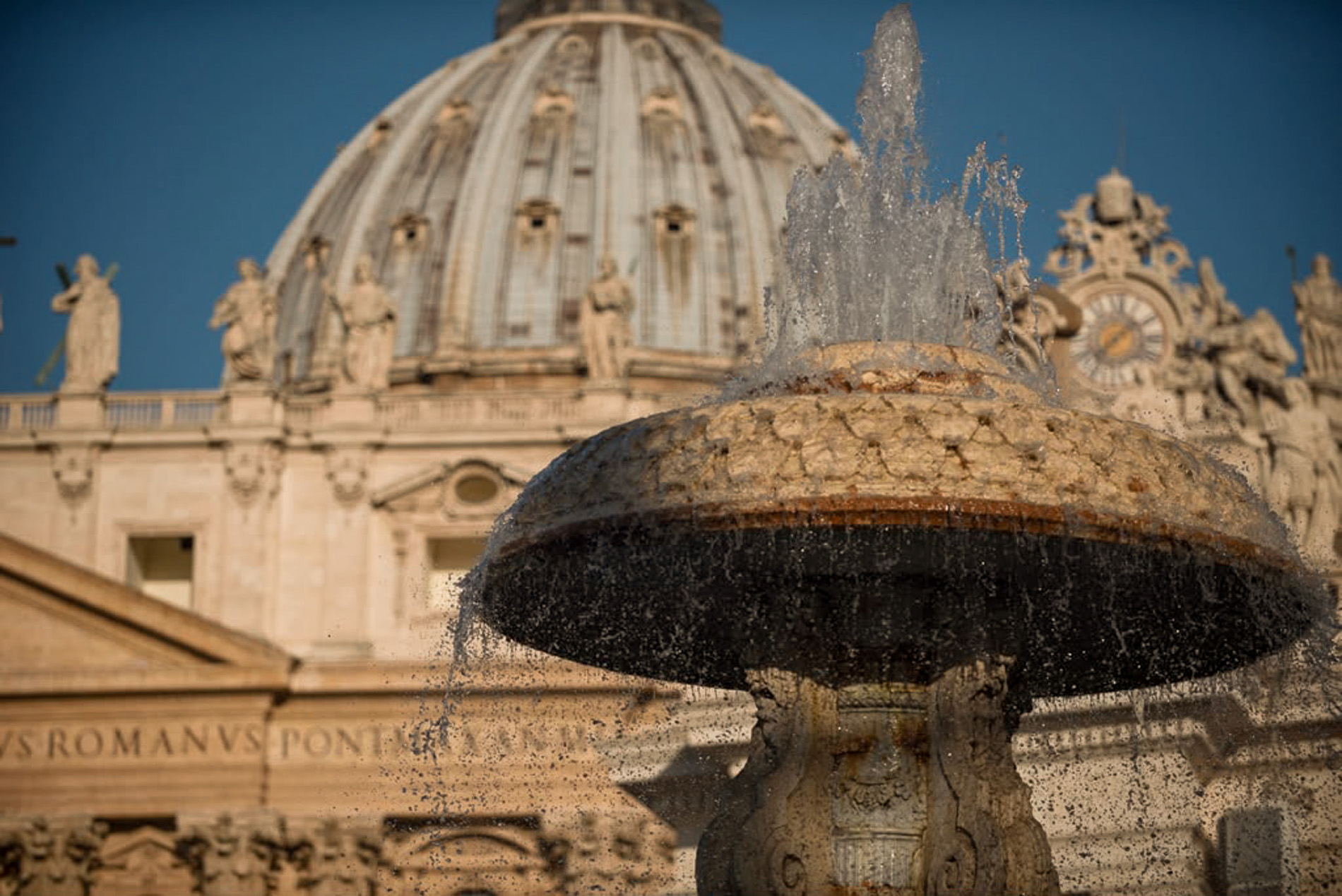
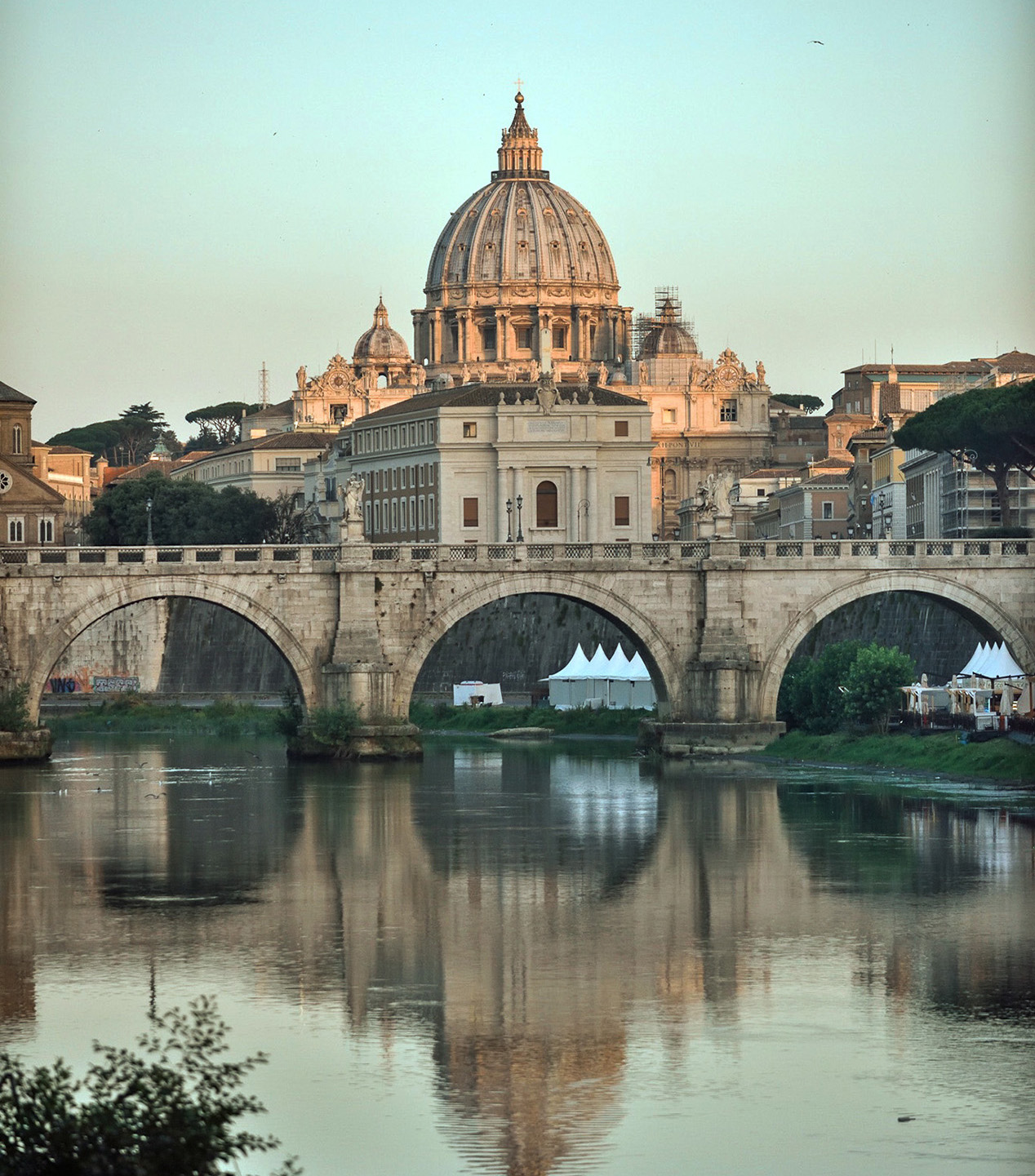

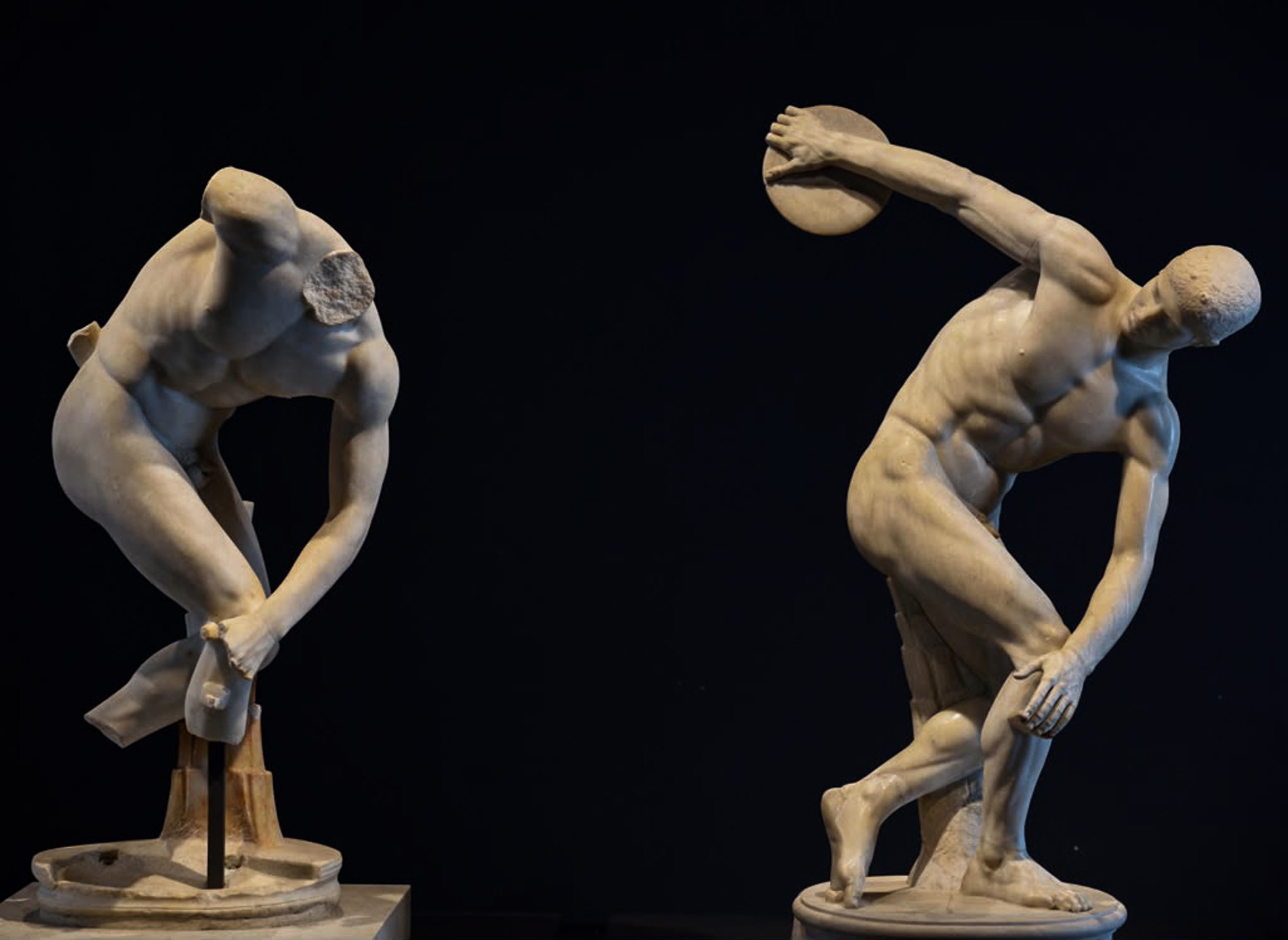
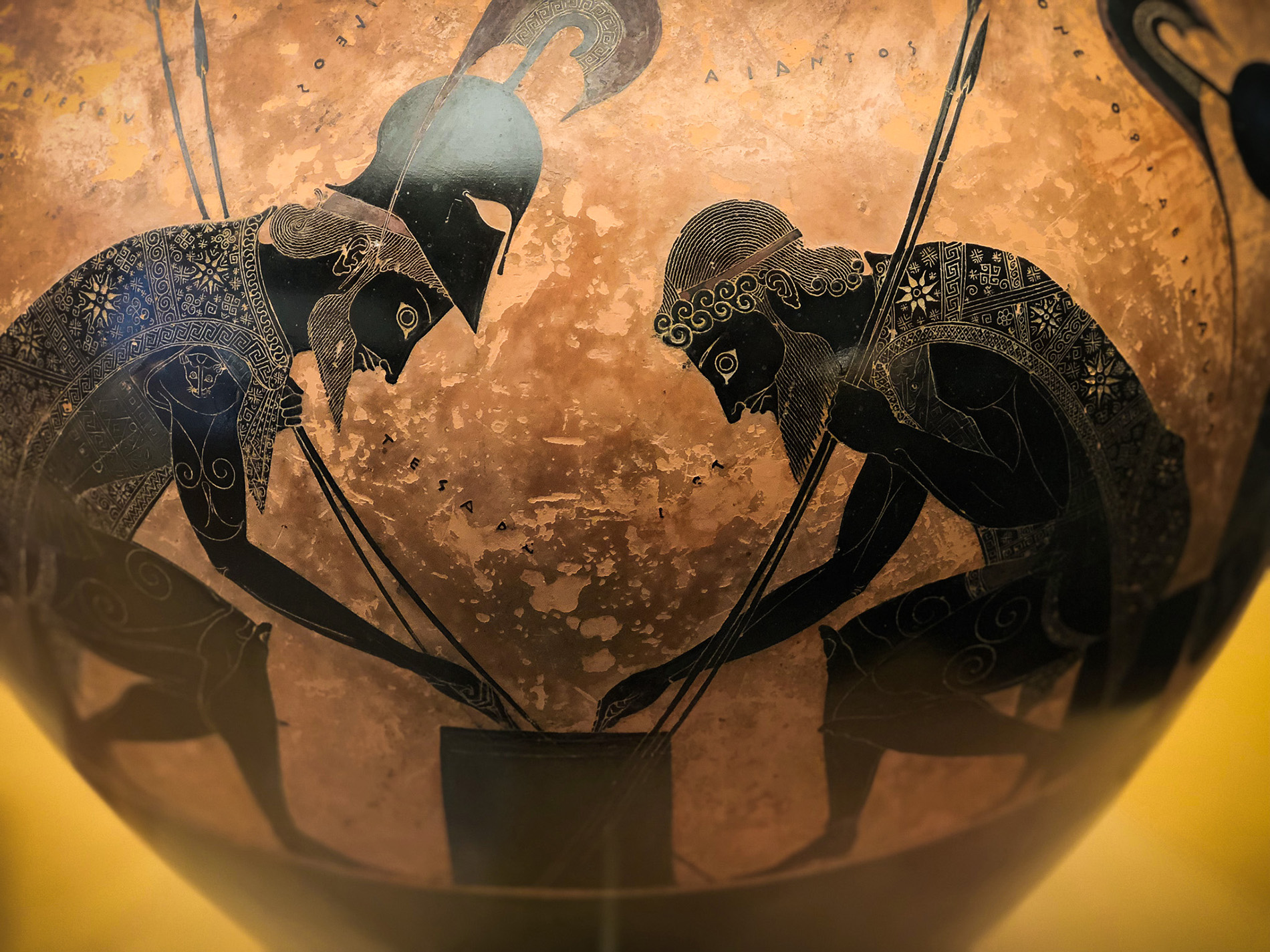
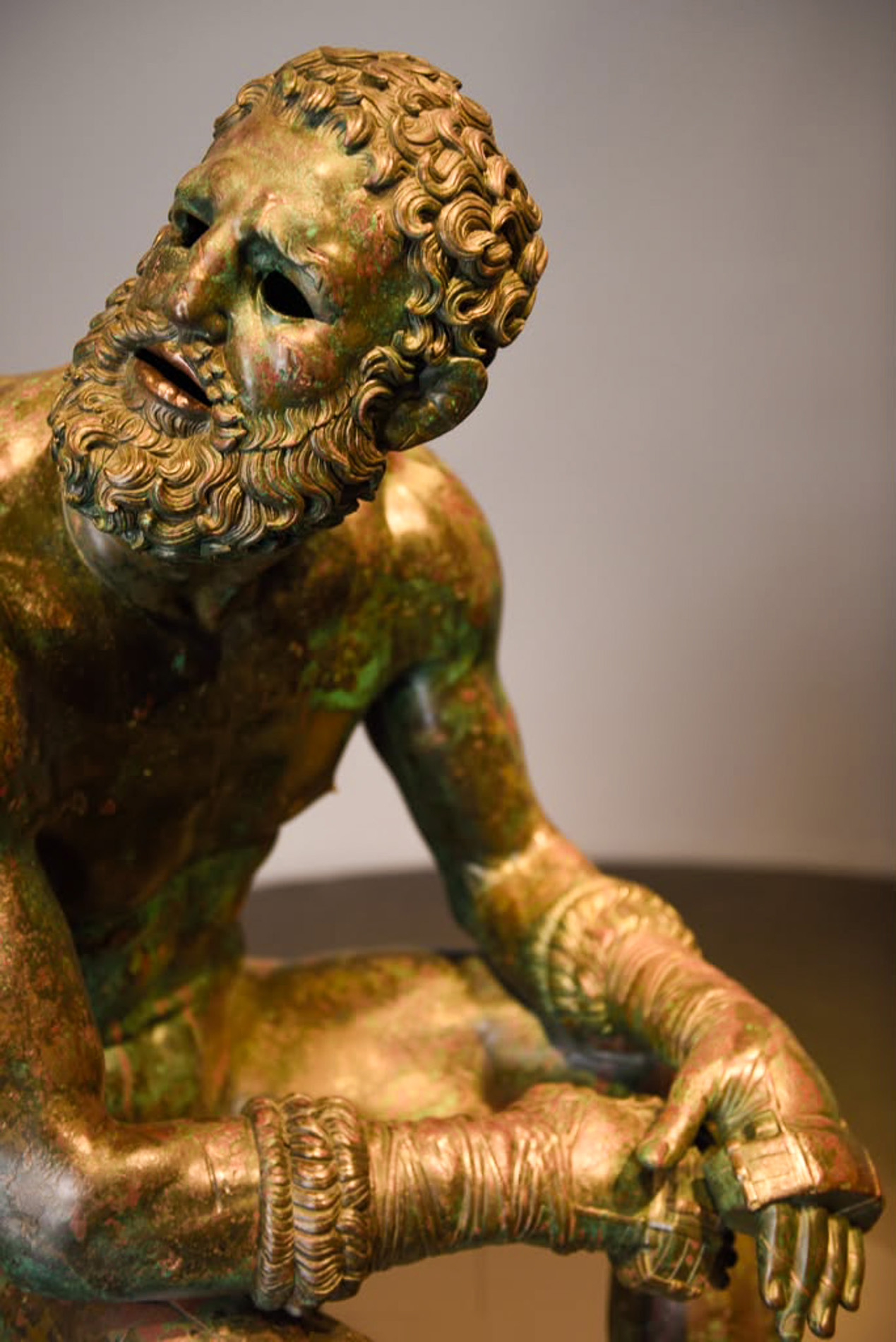
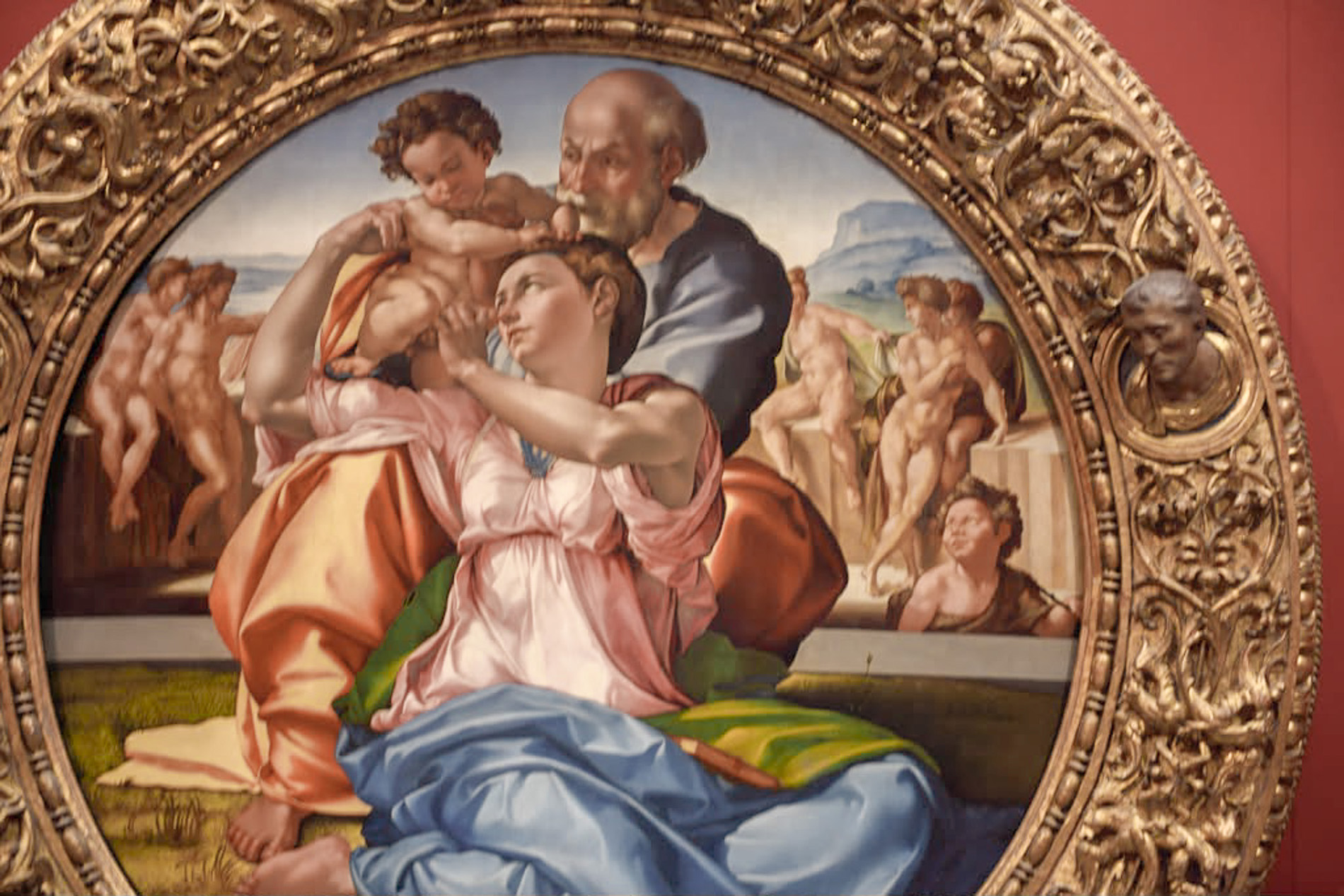
This journey is conceived as a path through some of the places that have most profoundly shaped the artistic and intellectual culture of the West. Tuscany, Florence, and Rome—the geographical heart of Italy—are not simply destinations along an itinerary, but true places of learning, where works of art, architecture, landscapes, texts, and traditions invite us to reflect on the very meaning of beauty.
We have intentionally kept the cost of the journey as accessible as possible, particularly for students and recent alumni. If you're able to give beyond the cost of your own participation, we warmly welcome an additional tax-deductible gift to Ralston College—entirely at your discretion. You can make a gift through Ralston's giving page; please note your participation in this trip with your gift.
Florence – Casa per Ferie Borgo Pinti
A religious guesthouse in the heart of Florence’s historic center, just a short walk from the Duomo. Housed in a historic palazzo, the guesthouse also features a traditional Italian garden.
Tuscany - Tenuta Sant’Ilario
A historic estate nestled in the Tuscan countryside, surrounded by vineyards, olive groves, and woodland. With its peaceful setting and traditional character, Tenuta Sant’Ilario offers an authentic experience of the Tuscan landscape.
Rome – Hosianum Palace
Hosianum Palace is a historic residence housed in a 16th-century palace in the heart of Rome. Located near Piazza Venezia, the Pantheon, and the Roman Forum, it places us within the historic center of the city.
In Florence, we will encounter some of the great artists of the Renaissance and, standing before their works, ask two questions: what makes something beautiful? And what is beauty for? By looking closely at their work, we will explore different ideas of beauty, the representation of the human figure, the role of proportion, and the relationship between the human and the divine.
At the Uffizi, Botticelli’s Primavera and The Birth of Venus will allow us to reflect on beauty as harmony, grace, and desire, and on the way the classical world was taken up and reinterpreted during the Renaissance. At San Marco, Fra Angelico’s frescoes show a different kind of beauty: quiet and contemplative, closely connected to prayer and the daily life of the Dominican friars. At the Bargello and Santo Spirito, Michelangelo’s works bring us back to the human figure, where beauty, strength, and vulnerability exist together.
In Rome, we will continue this journey at the Vatican Museums and the Sistine Chapel, where the works of Botticelli and Michelangelo bring these same questions into a larger and more monumental setting. Here, the human figure, the classical tradition, and Christian thought come together, opening a reflection on the relationship between beauty and the divine. And what happens when art does not simply represent beauty, but seeks to reveal it?
Dr Nicole Blackwood is an art historian specializing in Renaissance art and the history and practice of European painting. Trained at the Courtauld Institute of Art, her work is grounded in close looking and technical analysis, exploring how works of art were made, why they were created, and how materials and artistic processes shape their meaning. Drawing on her experience as a scholar and teacher, and her work with museums, historic properties, and private collections, she will accompany the group throughout the journey, bringing art and architecture into closer focus through the objects themselves, their making, and why they command our attention.

Dr Anna Corrias is an Italian scholar and professor of the history of philosophy whose work explores the classical tradition and its enduring influence on Western culture, with particular attention to the Renaissance. Drawing on both her academic background and her intimate knowledge of Italy, she will accompany the group throughout the journey, weaving together philosophy, history, literature and art through directed readings, seminars, and shared conversation.
For further questions don't hesitate to reach out to us directly.



