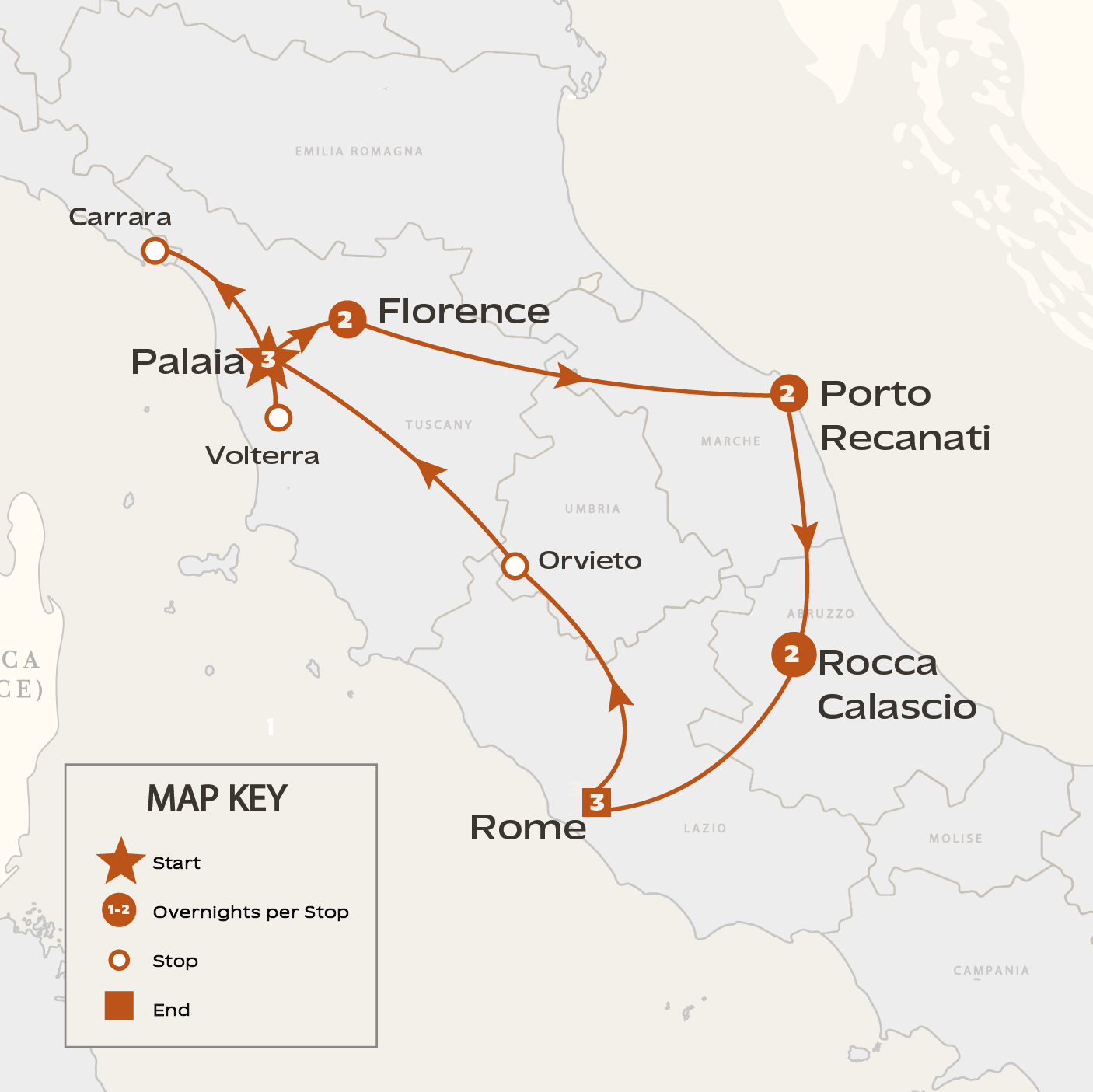
On this fourteen-day journey you will ascend to the heights of Florence, descend into the ancient underground of Rome, and traverse the mountains of Abruzzo, swim in the Adriatic, watch the sunset from within castle ruins, ascend the marble mines of Carrara, and meet the craftsmen of small-town Italy.
What does it mean to build something that will last thousands of years? How do the craftsmen of the medieval world create the bedrock of modern civilization? How have the frescoed interiors of palaces, the blacksmiths of the Adriatic, the wood craftsmen of Umbria, and the stone carvers of Tuscany changed the course of history?
Considering these questions and many more, you will experience Italy from the perspective of craftsmen, artists, and trades people who constructed palaces, solved the mysteries of architecture, and invented new ways of experiencing the world through their discoveries. You will see some of the greatest artworks and museums of Europe, but you will also be encouraged to take what you see and build it into your own repertoire of understanding and imagination. Observing beautiful landscapes while hiking the mountains in Abruzzo or while experiencing village life in Tuscany or examining the development of art over the centuries will let your own expertise become the language of conversation with the places and beauty you encounter. Celebratory dinners, workshops led by locals, and the exploration of ruins and masterpieces will become the raw matter of your Italian classroom.
You'll depart from Charleston the morning of May 18th. Make sure to pack light, bring your sketch pad, and come prepared with a spirit of adventure. Your first day in Italy won't leave much time for rest so consider consulting your medical professional for a recommended sleep aid to become accustomed to the time change by getting as much rest as possible on your transatlantic flight.
Your Alithea guide will meet you at the airport. Together you'll hop on the bus and head to the hill town of Orvieto. After stopping for an Italian breakfast and an orientation to Alithea's style of travel, you will have free time for lunch, to visit the cathedral, and to explore Orvieto’s artisan shops.
In the mid-afternoon, your journey will continue north towards Palaia, where you'll stay for three nights.
This evening, you will regroup for a traditional Tuscan dinner.
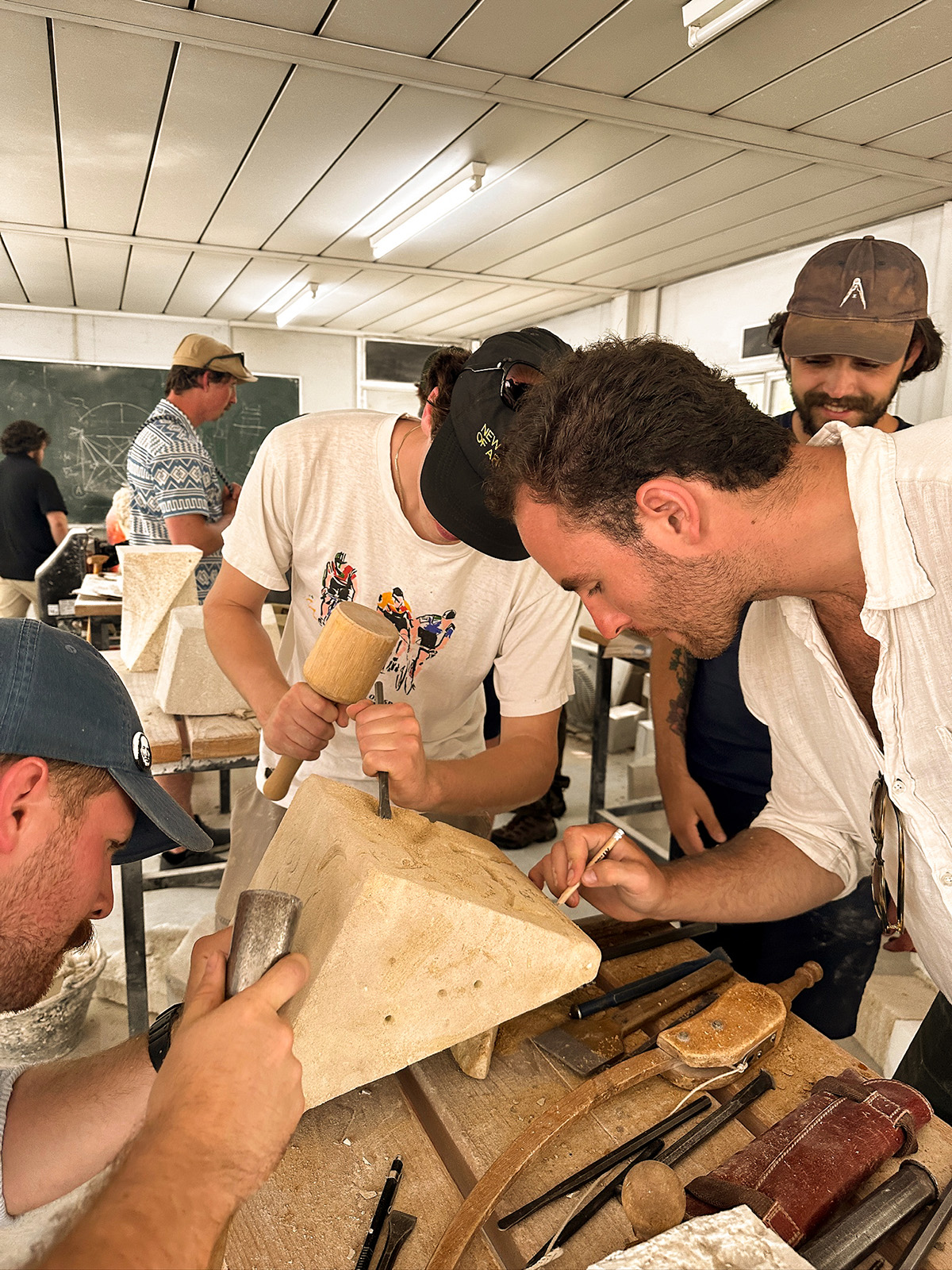
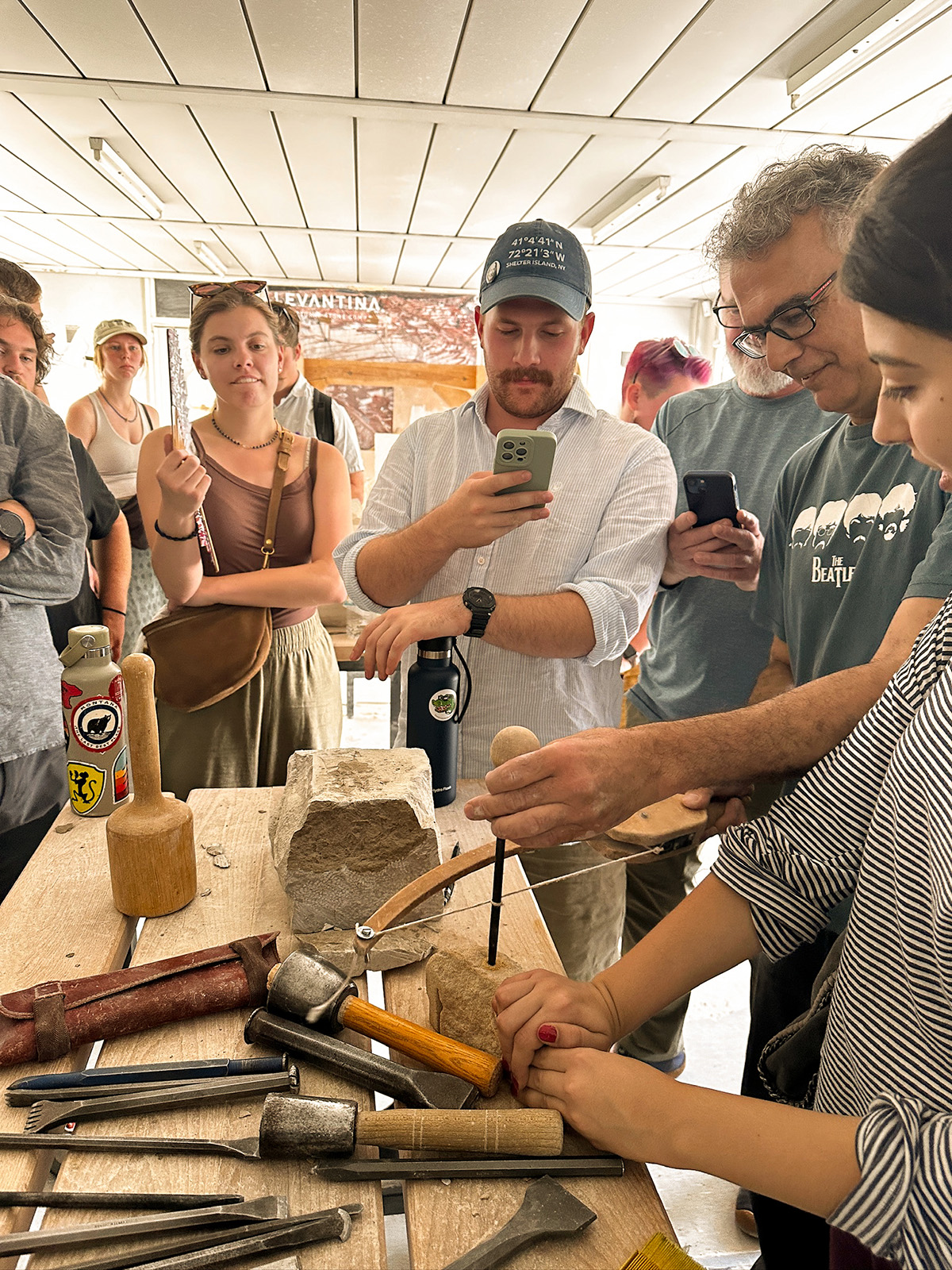
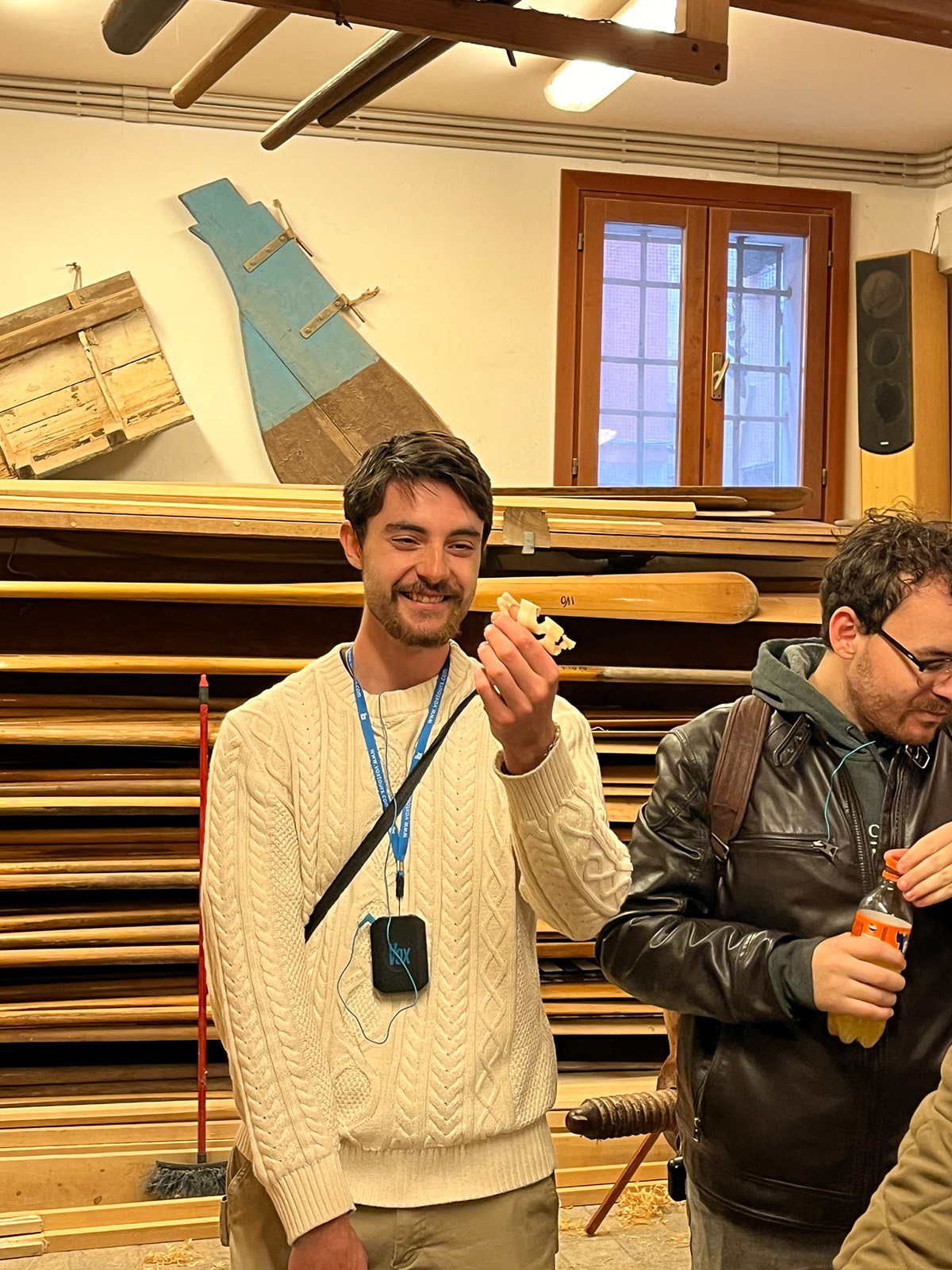
After breakfast in your hotel, you'll depart for nearby Volterra, one of the great Etruscan towns with a history dating back almost three thousand years. Your morning will be dedicated to an alabaster workshop with a local craftsman.
In the early afternoon, you'll be free for lunch, to visit the Roman ruins, and to observe the spectacular carved sepulchers and ceramics in the Etruscan Museum.
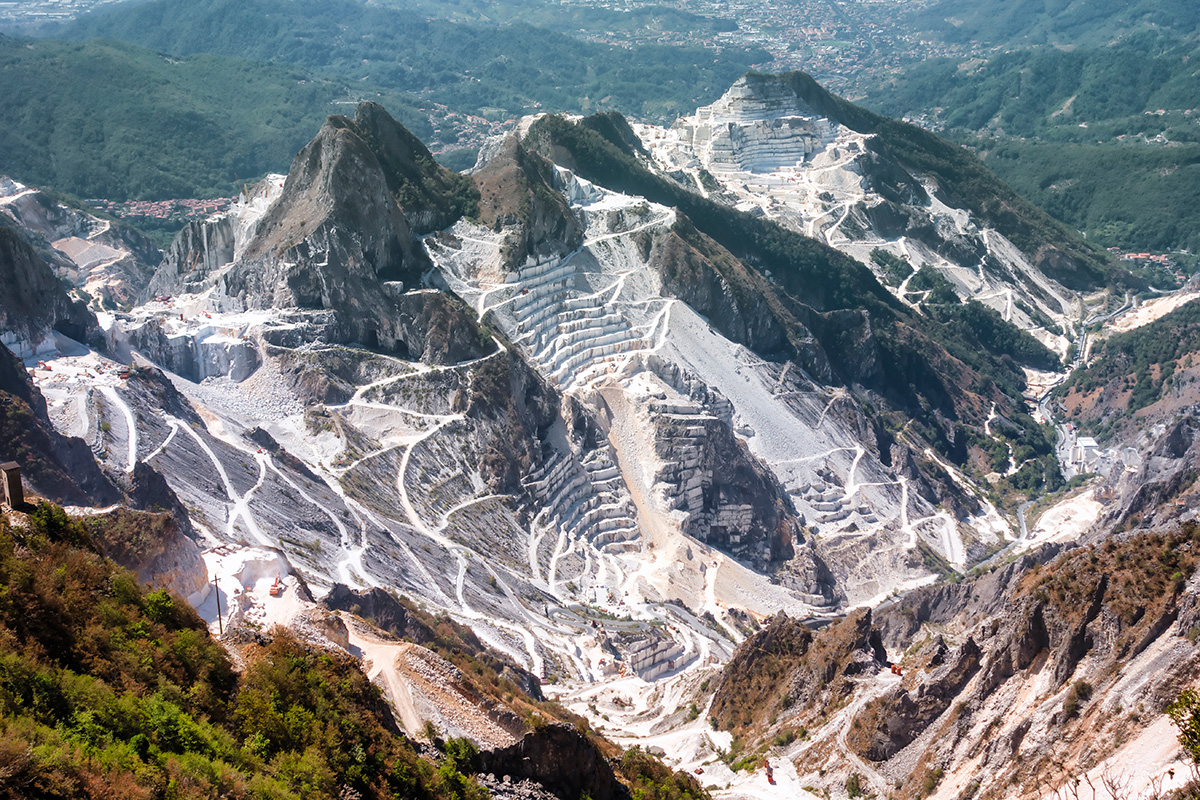
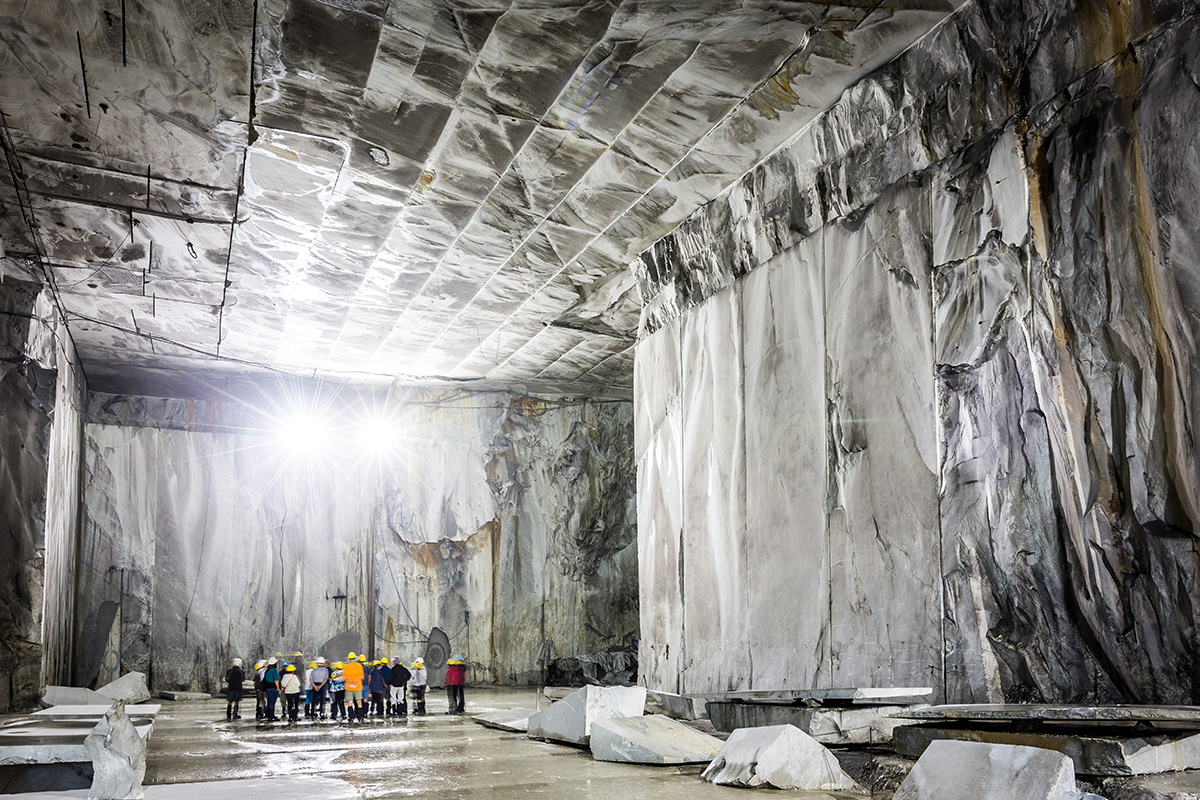
Following in the footsteps of Michelangelo, with a modern twist, you'll head north to the marble mountains of Carrara. After a visit with a local artisan, in the mid-morning you'll split into small groups to explore the mines by jeep.
The day continues with lunch in Lucca, known for its well-preserved Renaissance walls, before returning to Palaia.
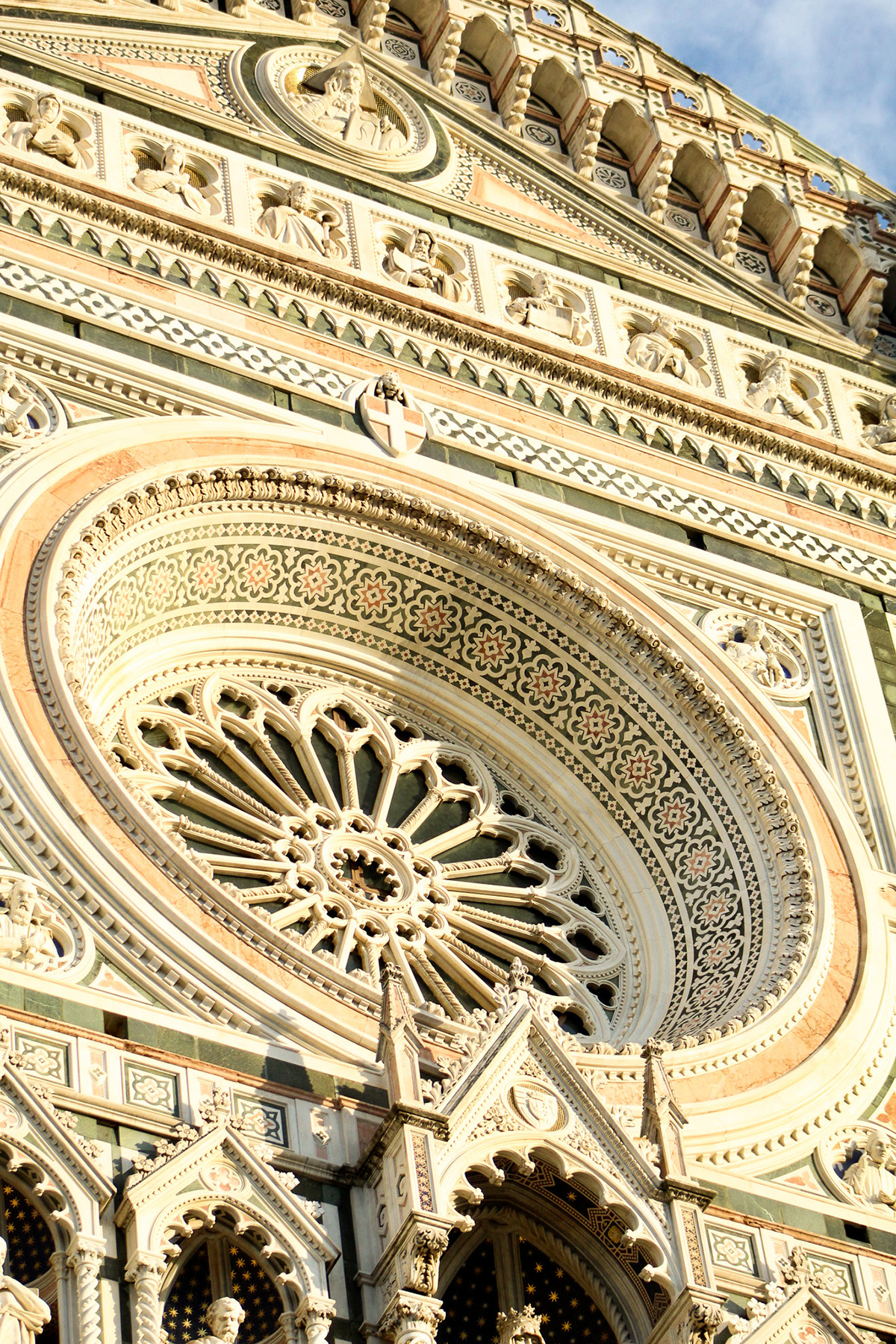
Departing Palaia after breakfast, you'll head to nearby Florence for two days immersed in the spectacular art and architecture of the city eponymous with renaissance.
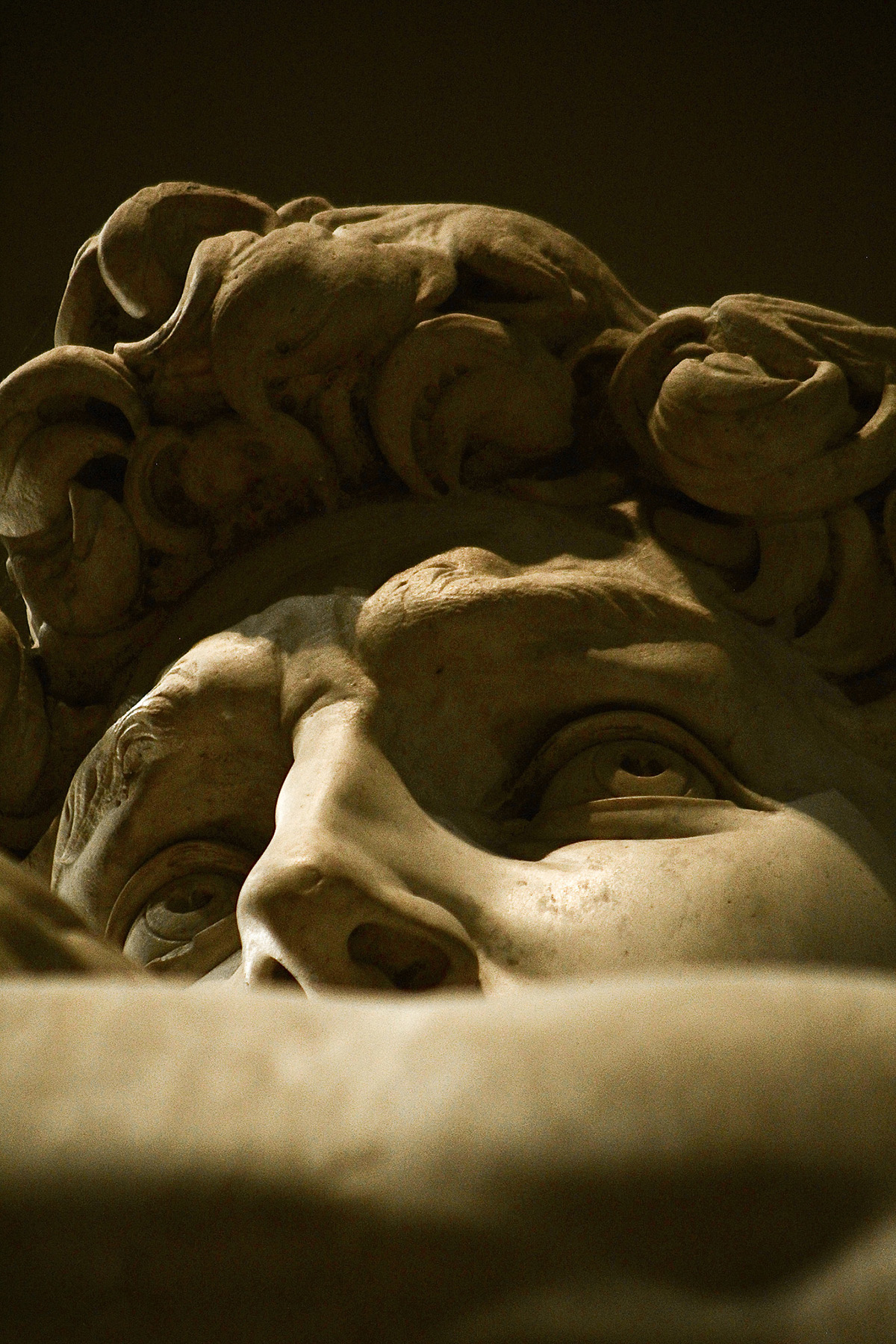
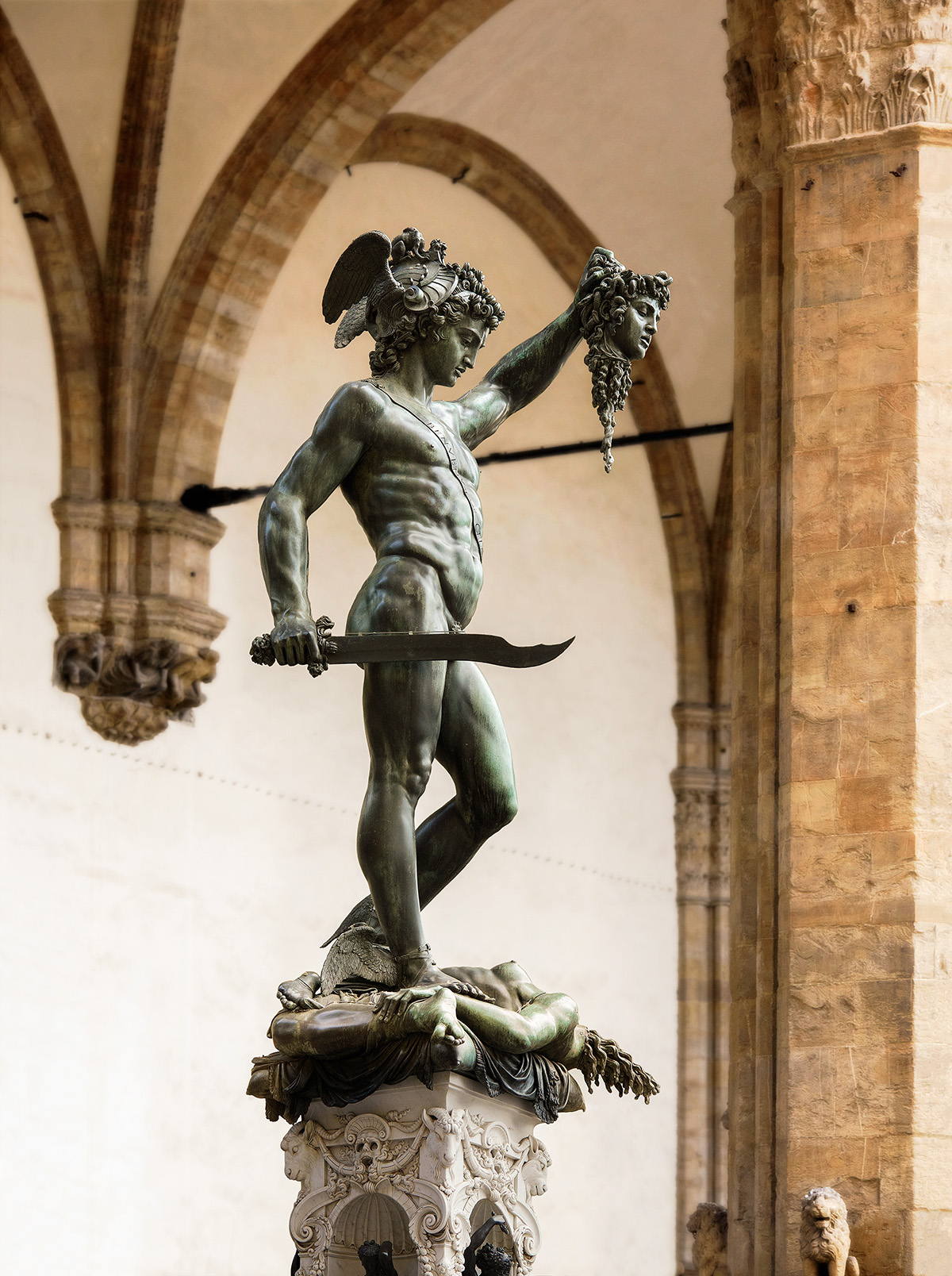
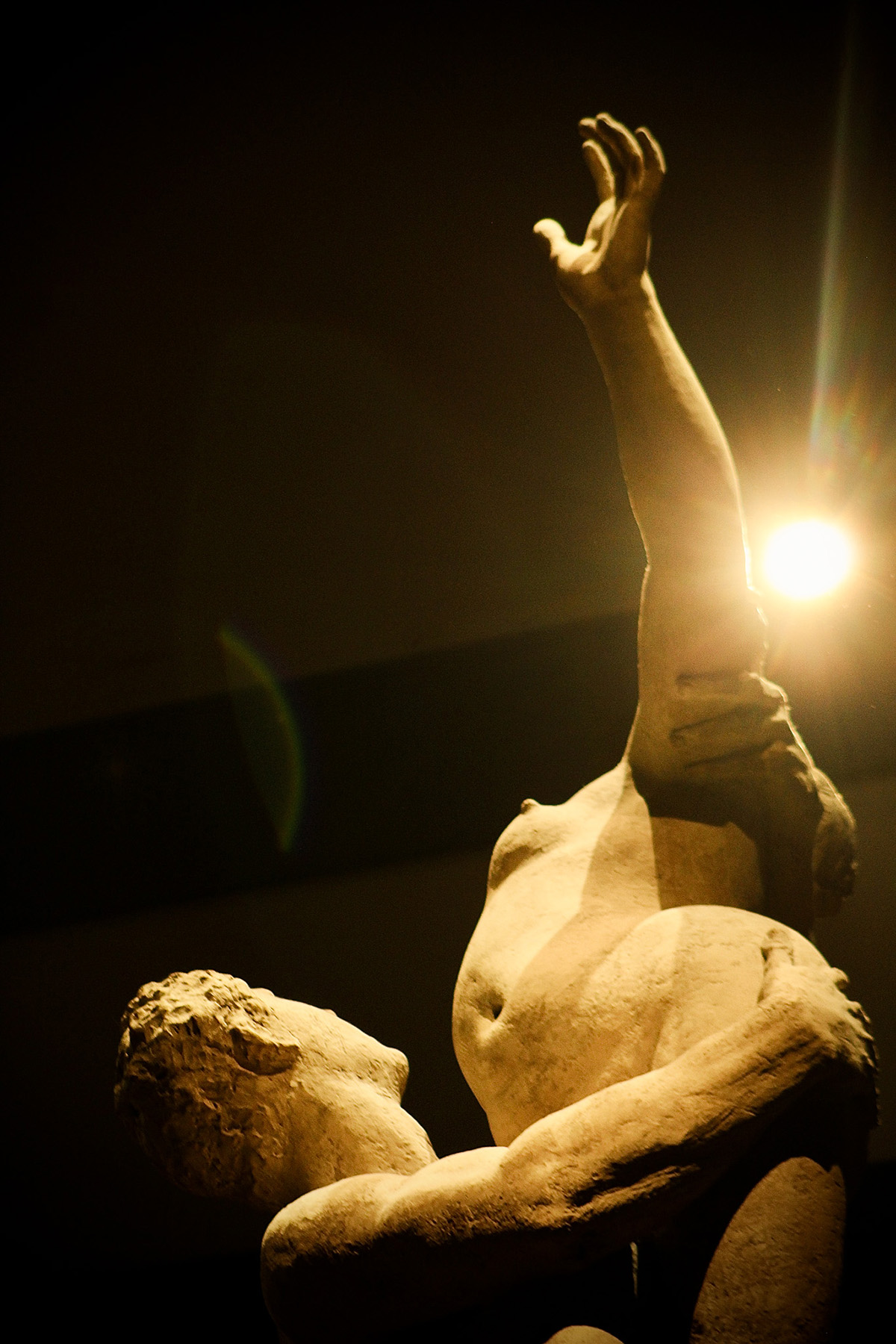
After dropping your bags at your hotel, a former convent converted into a guesthouse, you'll head out for a walking tour of the city with your Alithea guide. While traversing the Piazza della Signoria you'll see how the craftsman of the city provided the foundation for a newly rediscovered perspective. Concluding at the Academia, you'll see Michelangelo's David, his unfinished sculptures, and the plaster busts used by artists such as Gianbologna to seemingly bring intertwining marble figures to life.
This evening, you'll regroup to celebrate your Renaissance discoveries with a Tuscan feast.
This morning you'll be free to explore the city on your own. Consider visiting the Bargello, Orsanmichele, the Pitti Palace, Uffizi, or Galileo Museum. Be sure to book these tickets long in advance. Your Brunelleschi pass will give you entrance to the Baptistry, the Duomo Museum, and Giotto's bell tower.
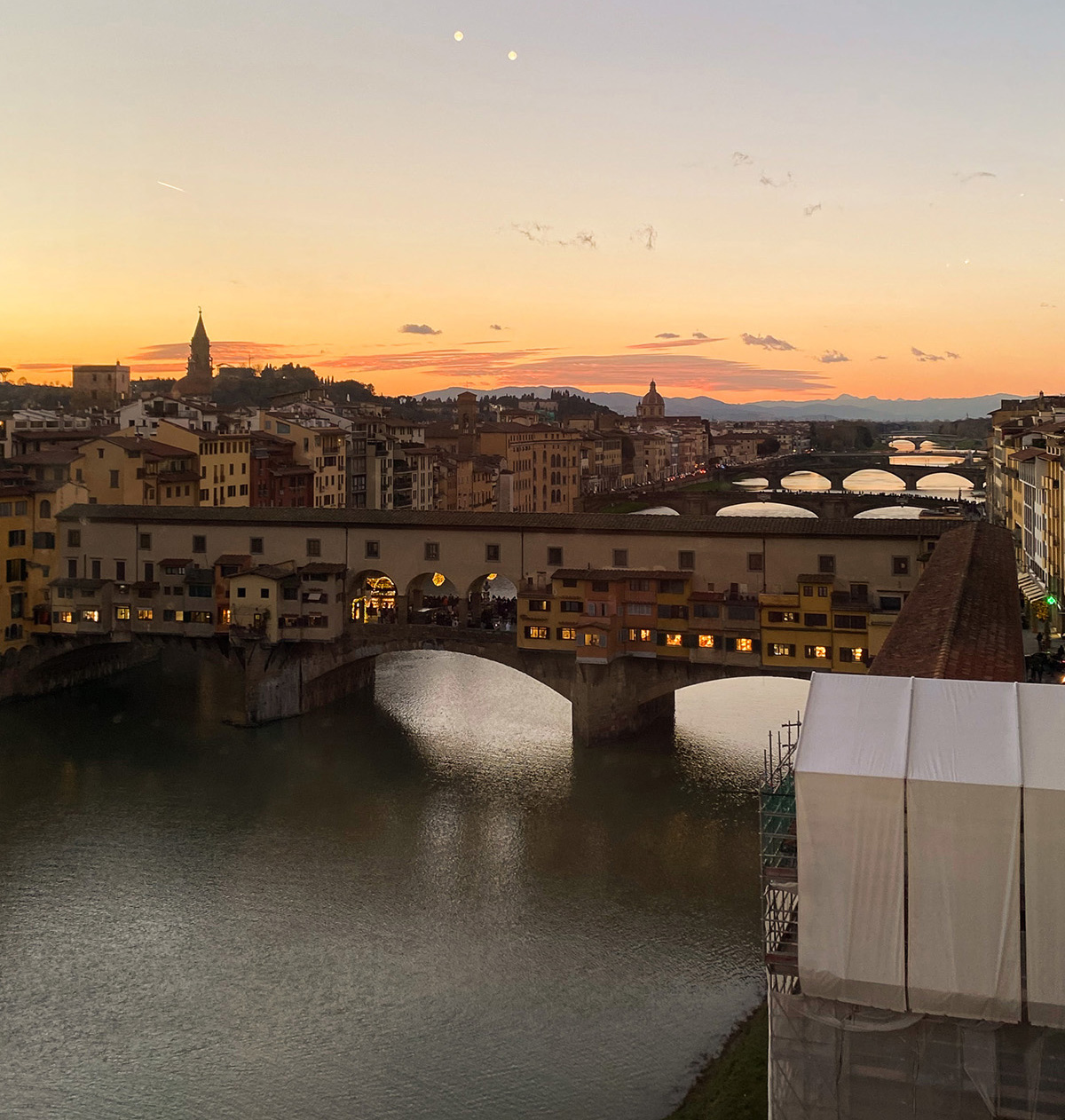
In the mid-afternoon, you'll regroup with your professors and Alithea guide to split into small groups. At around 5:00 pm you'll regroup to climb Brunelleschi's dome.
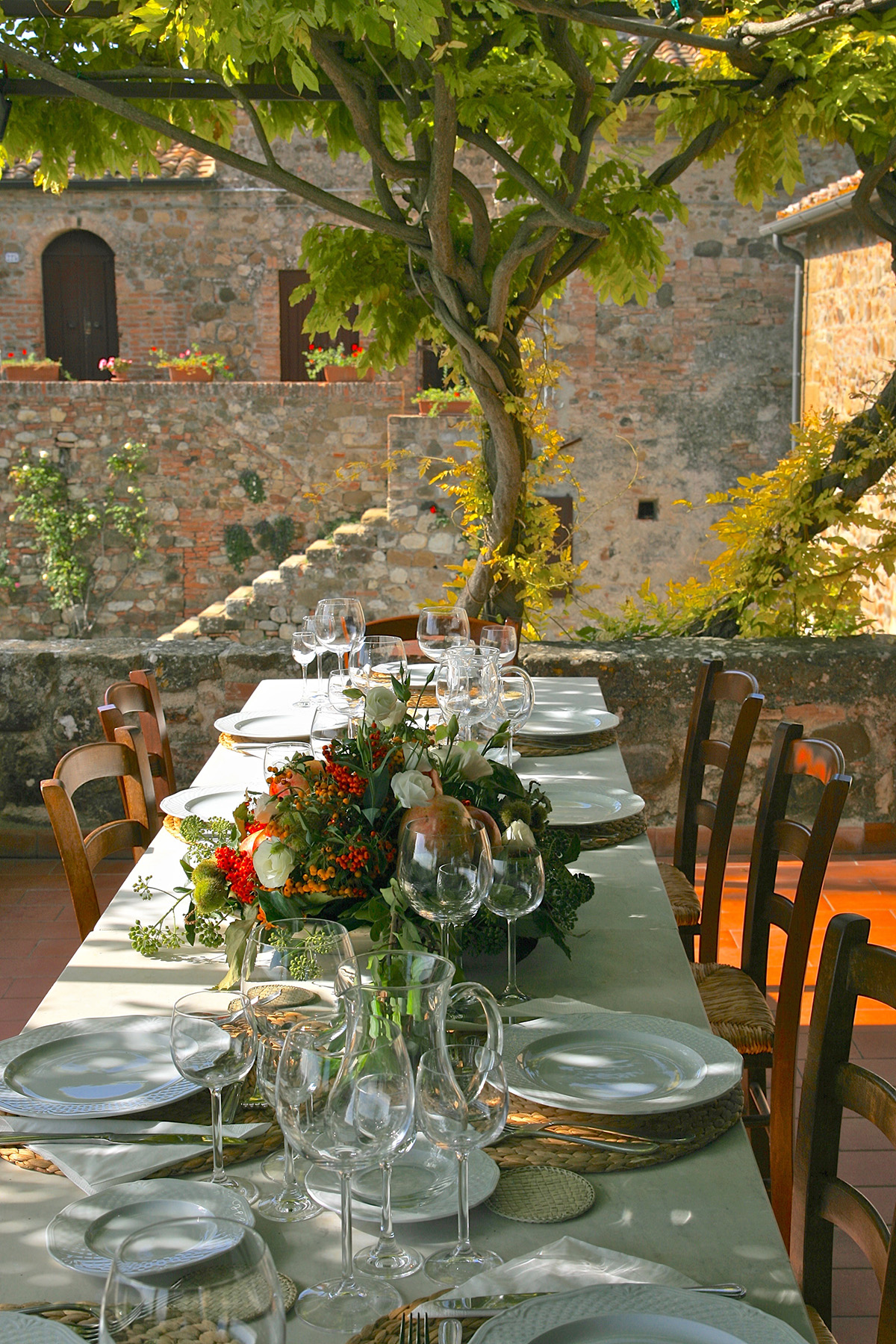
Departing Florence after breakfast, you'll head east toward the Adriatic coast and the region of Marche, where you'll stay for two nights in a typical agriturismo, an elegant countryside residence rooted in local agricultural life and tradition. Today will be dedicated to the Dolce Vita, the sweet life—whether sailing or lounging on the beach, you’ll practice the Italian art of relaxing by the sea.
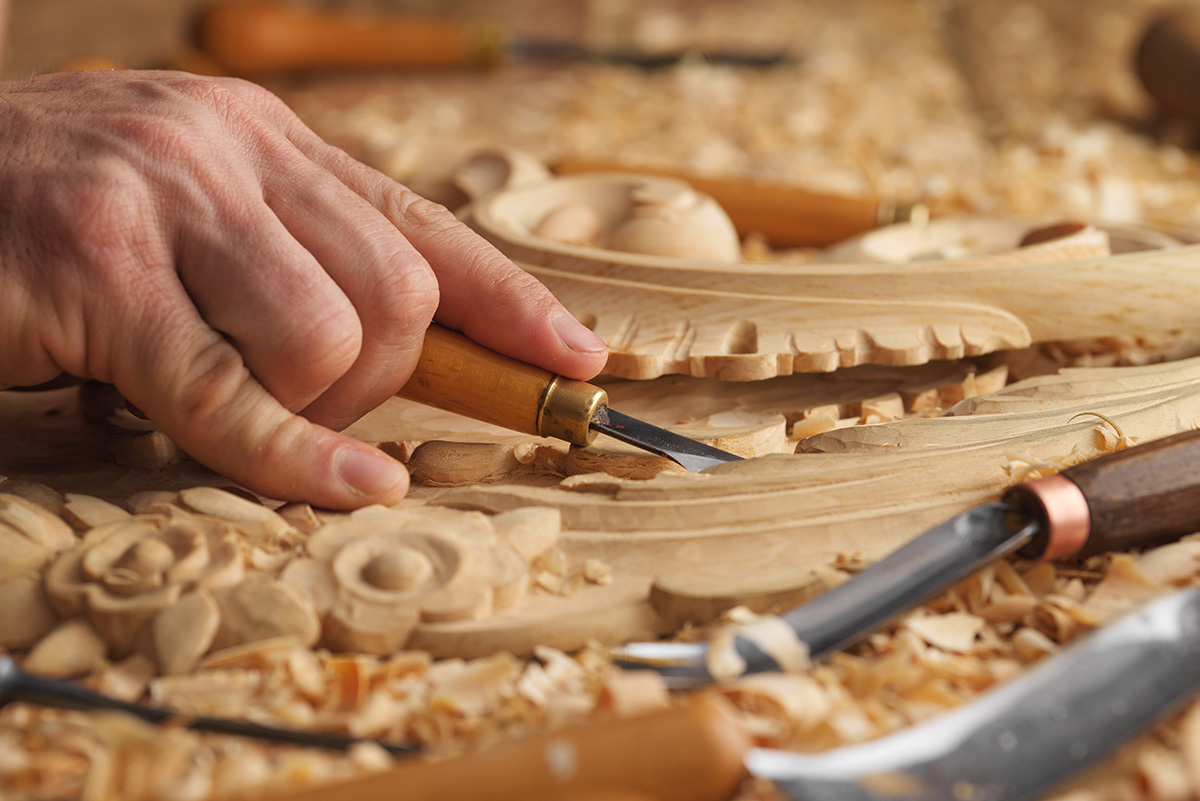
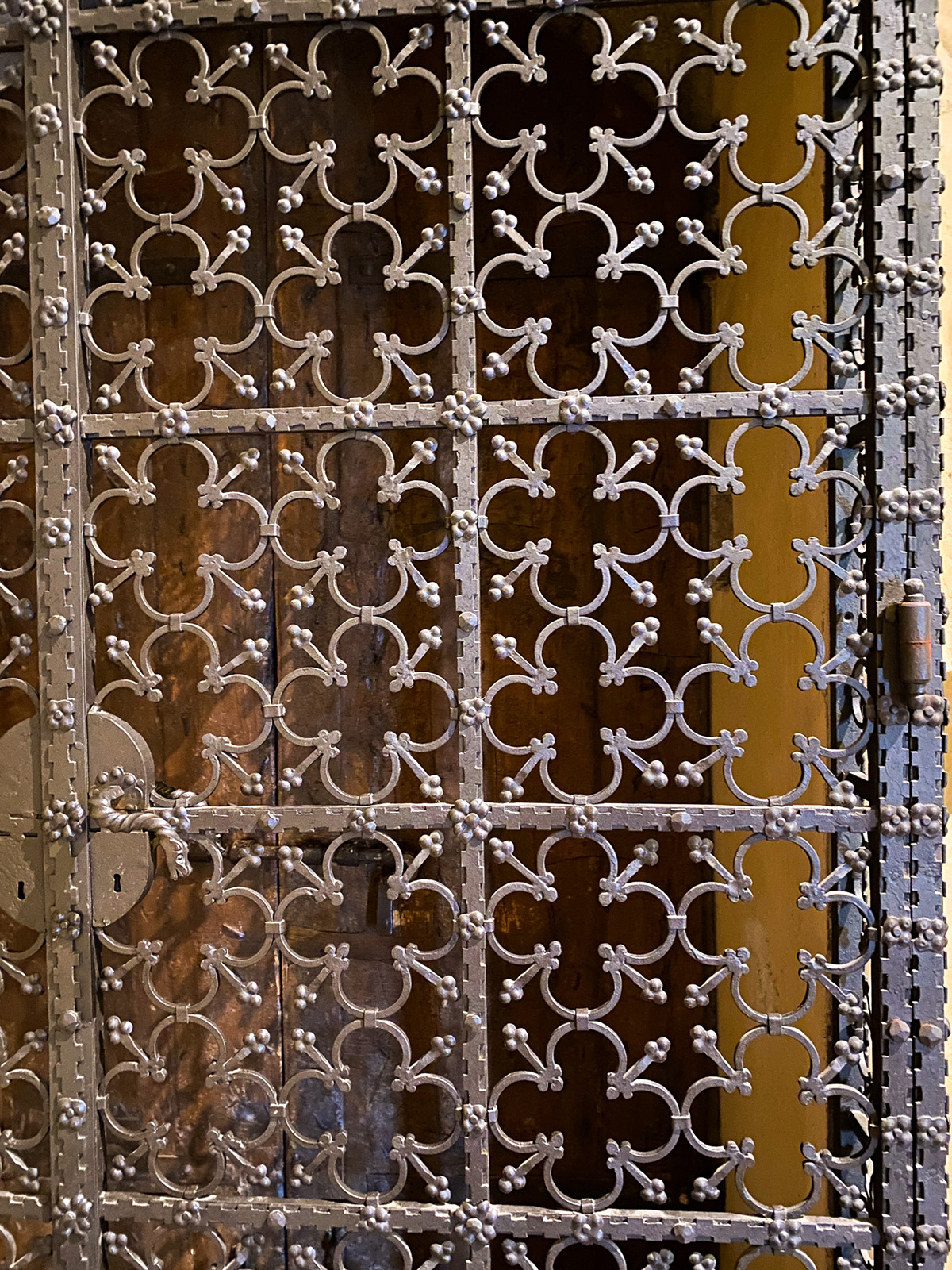
After breakfast at the agriturismo, the morning will be devoted to a hands-on workshop with an iron artisan, among the very last to still work wrought iron with a hand forge, fully embracing the endless possibilities of this technique.
In the late afternoon, back at the agriturismo, you’ll enjoy a wine tasting followed by a cooking class and dinner.
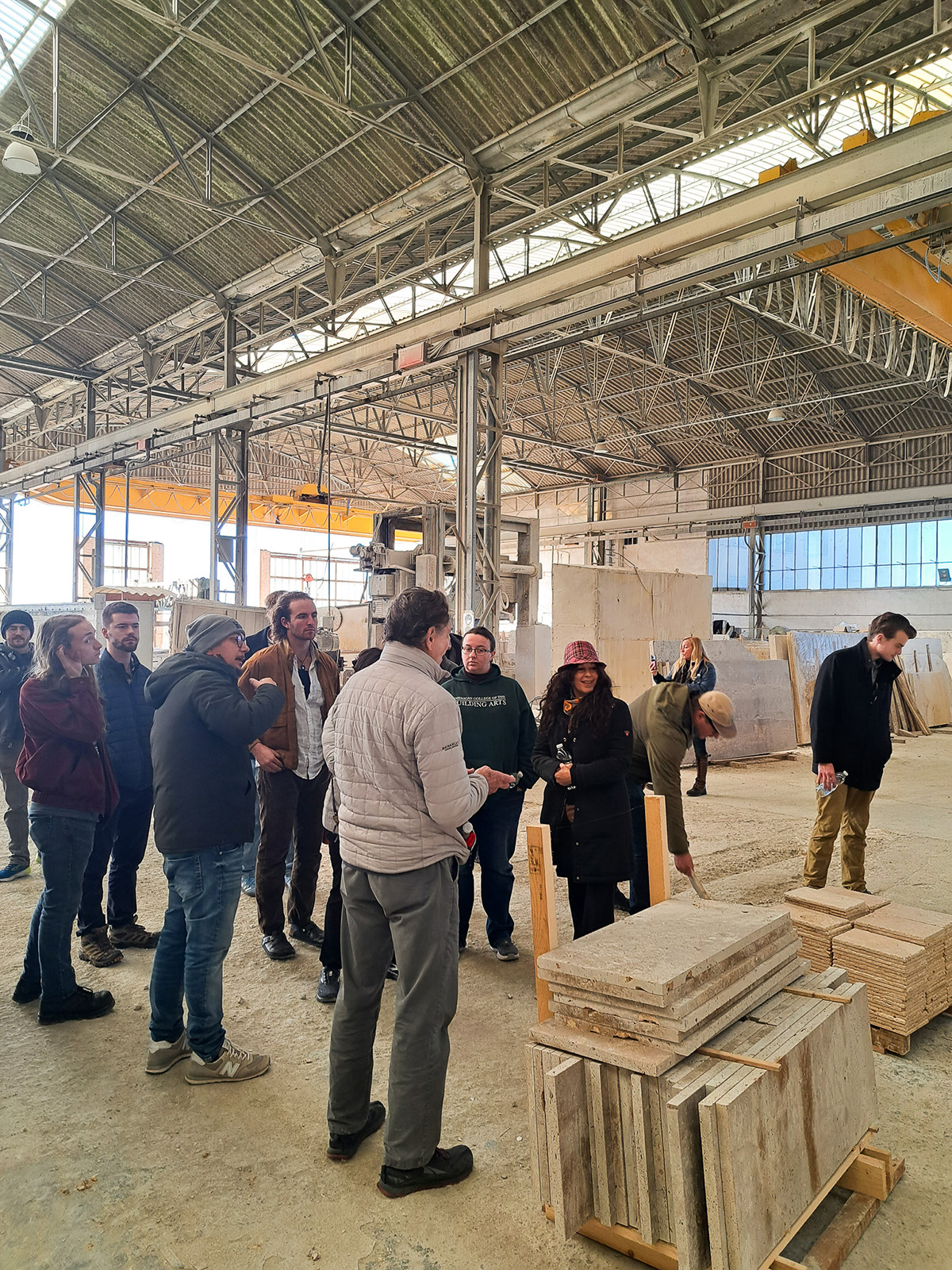
Leaving behind the sea after breakfast, you'll head inland toward the region of Abruzzo in central Italy, where you'll stay for two nights. En route, you'll visit a local artisan whose workshop is set within a travertine quarry of Roman origin. After a hands-on experience, you’ll enjoy lunch together in the quarry.
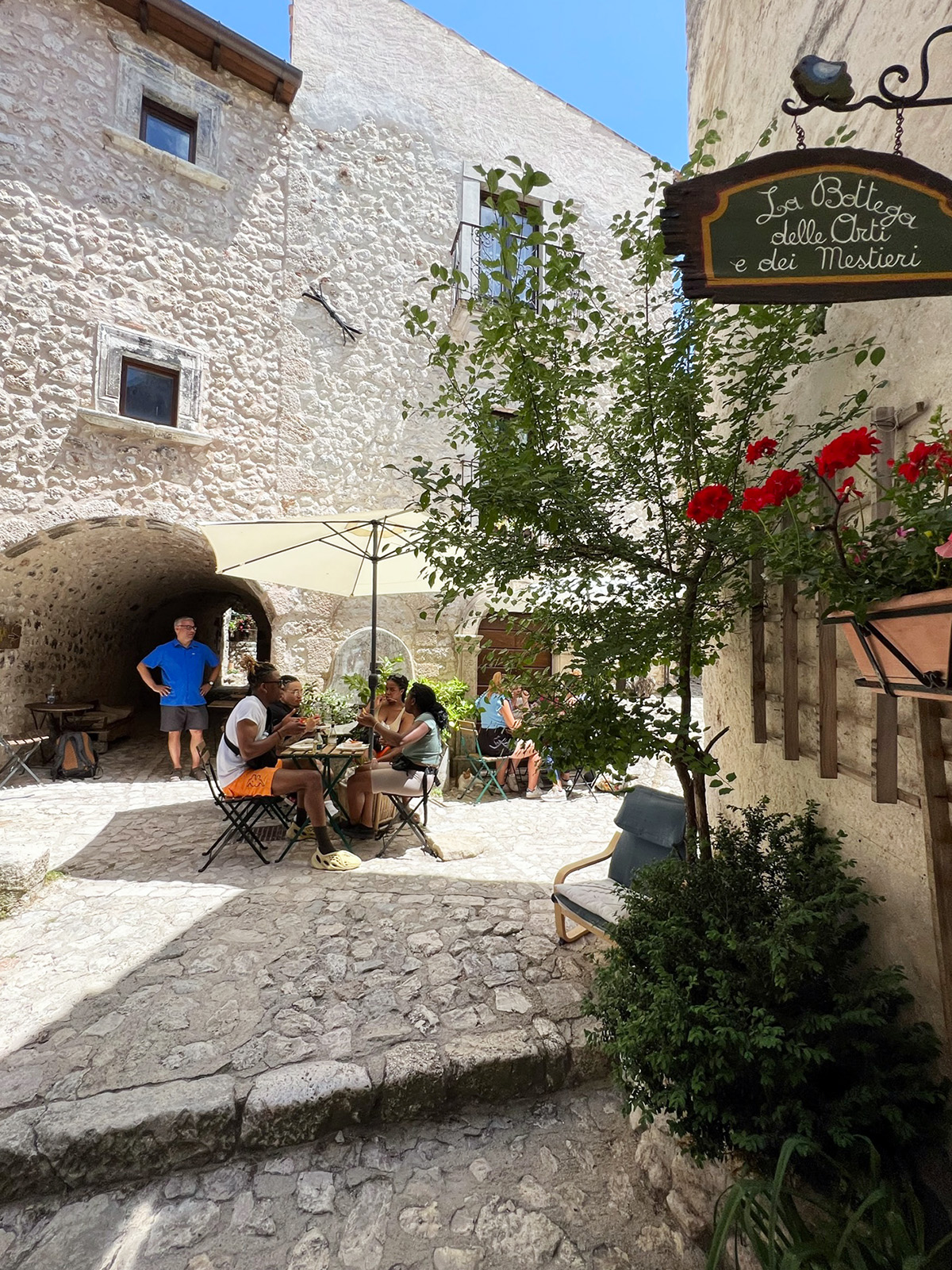
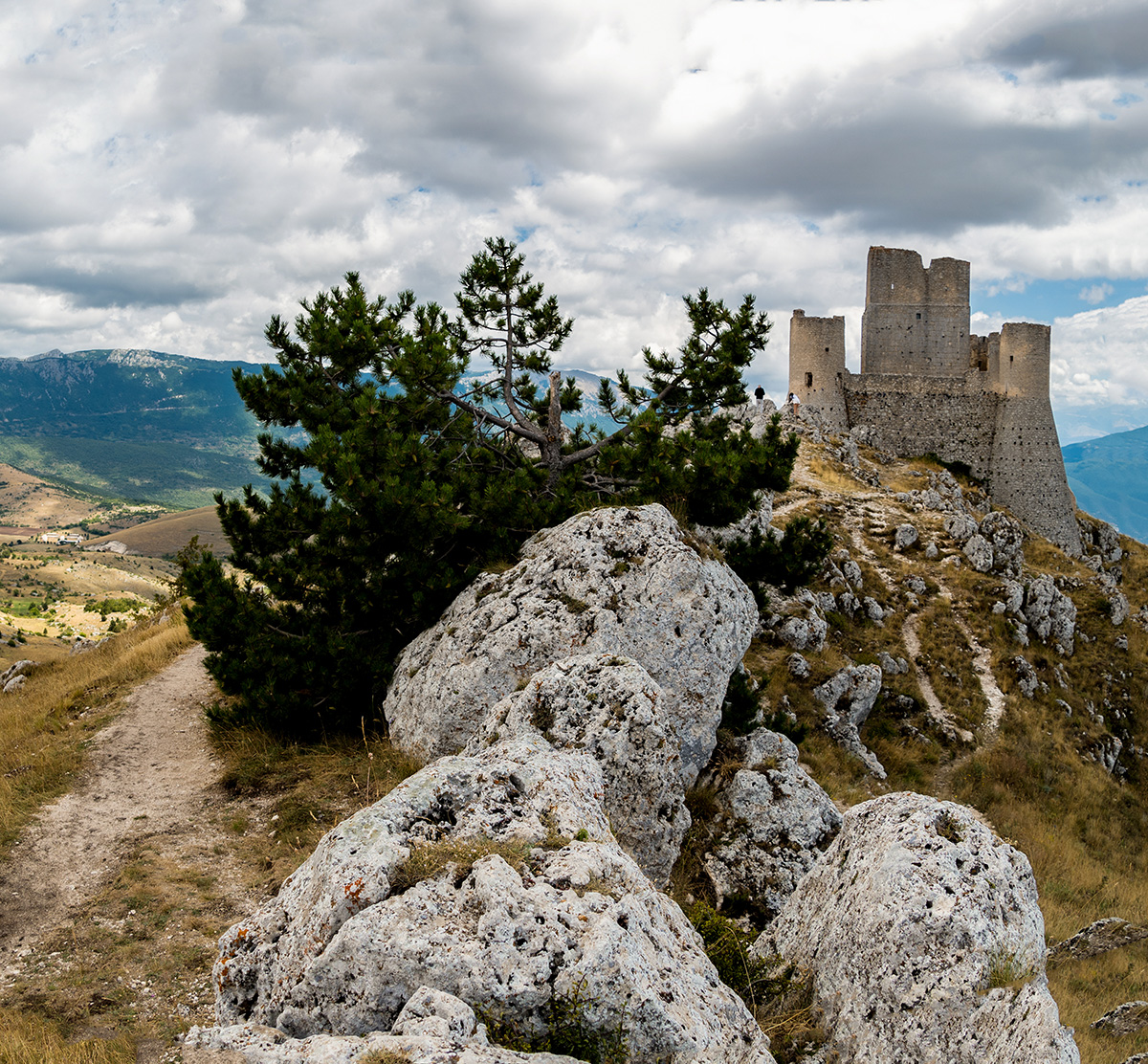
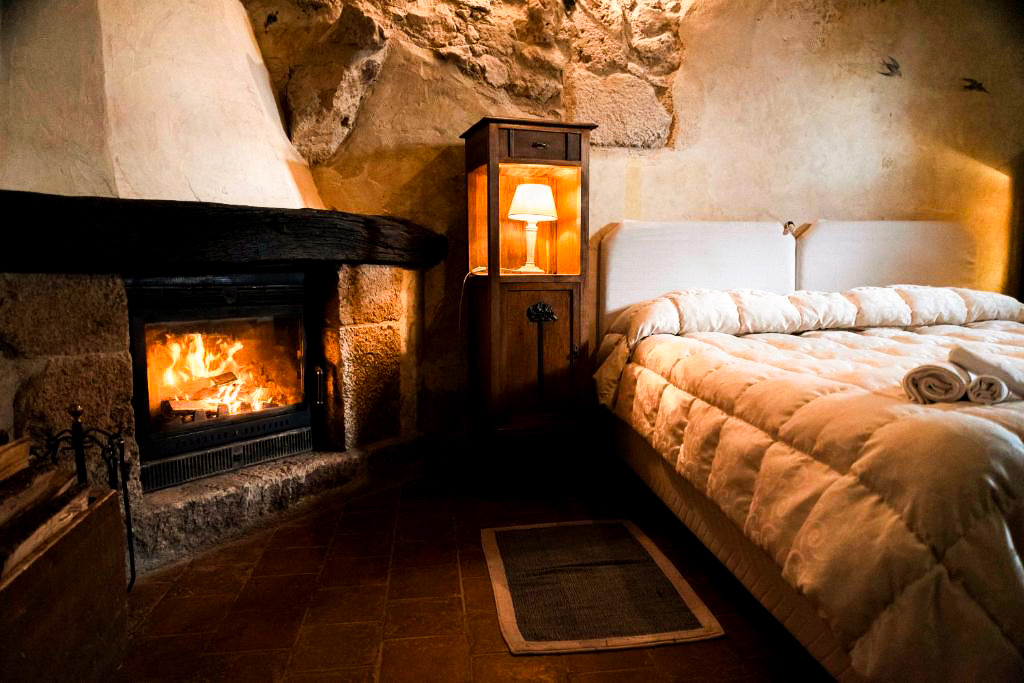
In the afternoon, you’ll continue on into Abruzzo, arriving in time to watch the sunset from the castle ruins at the top of Rocca Calascio. Your hotel will be an albergo diffuso, where medieval homes scattered throughout the village have been thoughtfully converted into unique accommodations.
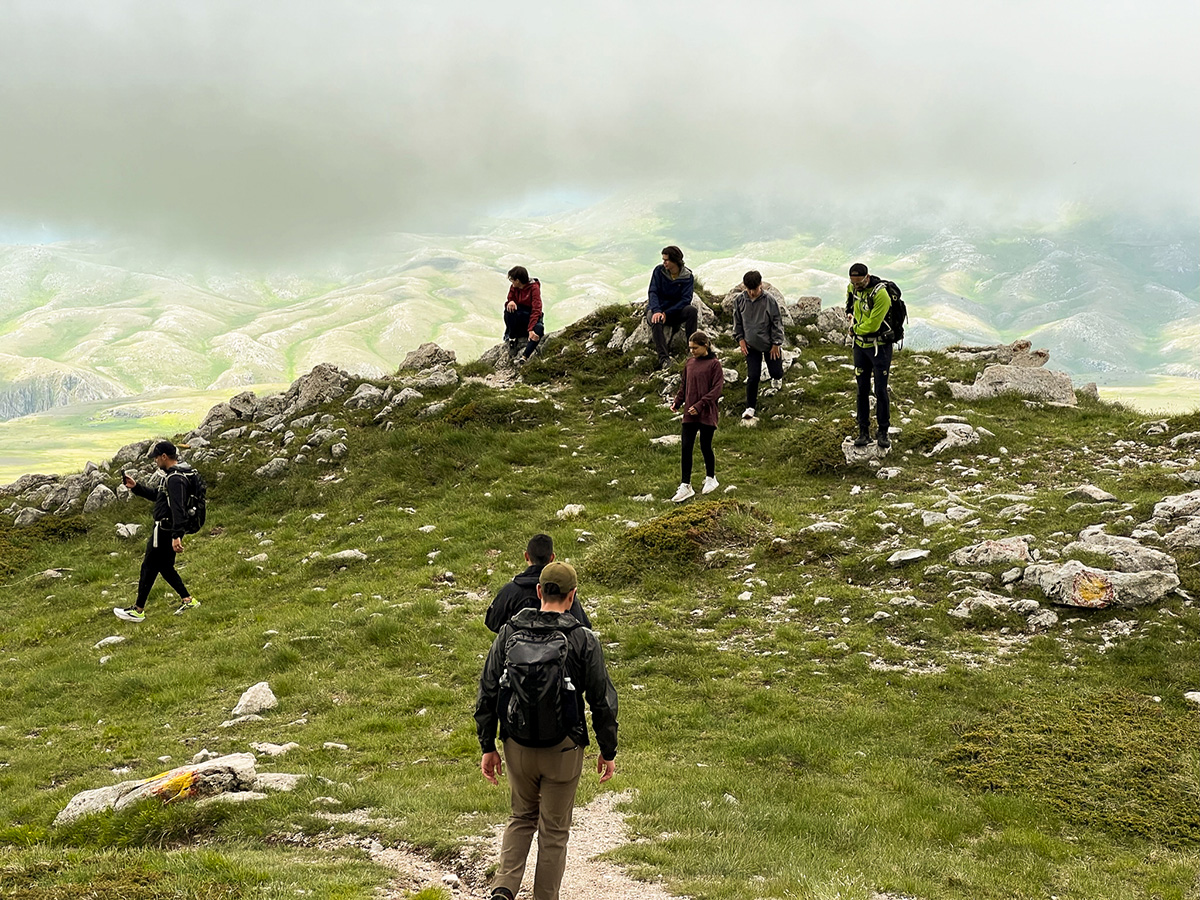
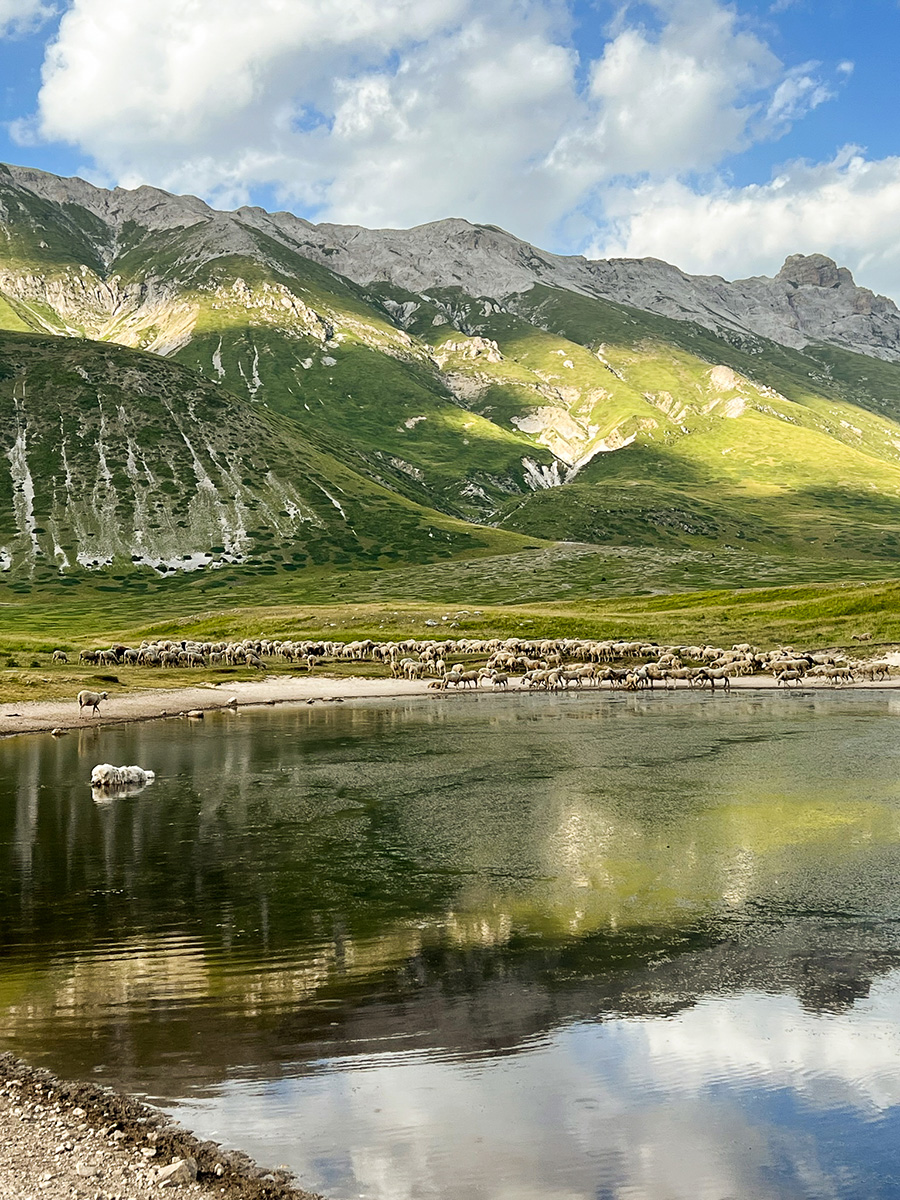
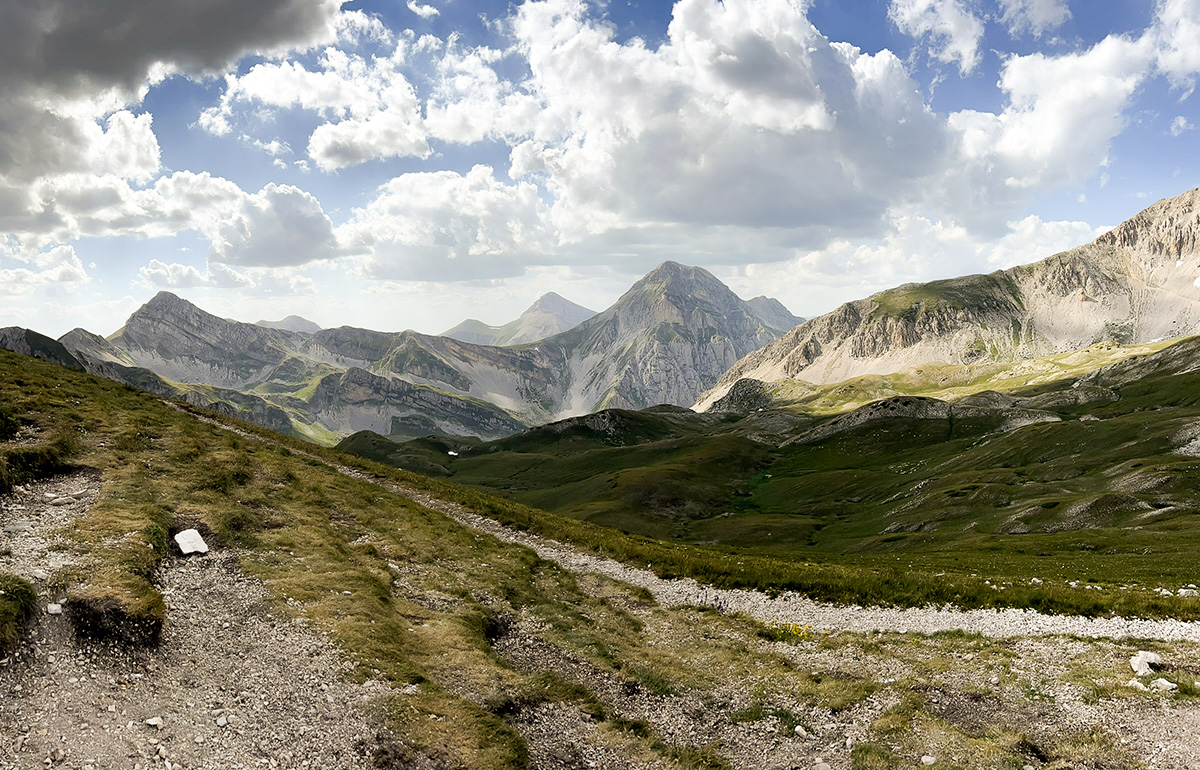
Following the historic migration of shepherds and the transhumance, this morning you'll tackle the mountain slopes in the high plateau of the Campo Imperatore. An experience in the immersive beauty of nature, your mountain guide will conclude the morning's hike at a local refugio serving rosticini, meat grilled over an open fire.
Departing your medieval mountain village after breakfast, you'll go to Rome, where you'll spend three nights. Before reaching the city, you’ll stop in a small borgo just outside Rome to meet a local copper artisan and take part in a hands-on workshop, engaging with a craft passed down through generations. Following lunch in Palestrina, you’ll continue on to Rome.
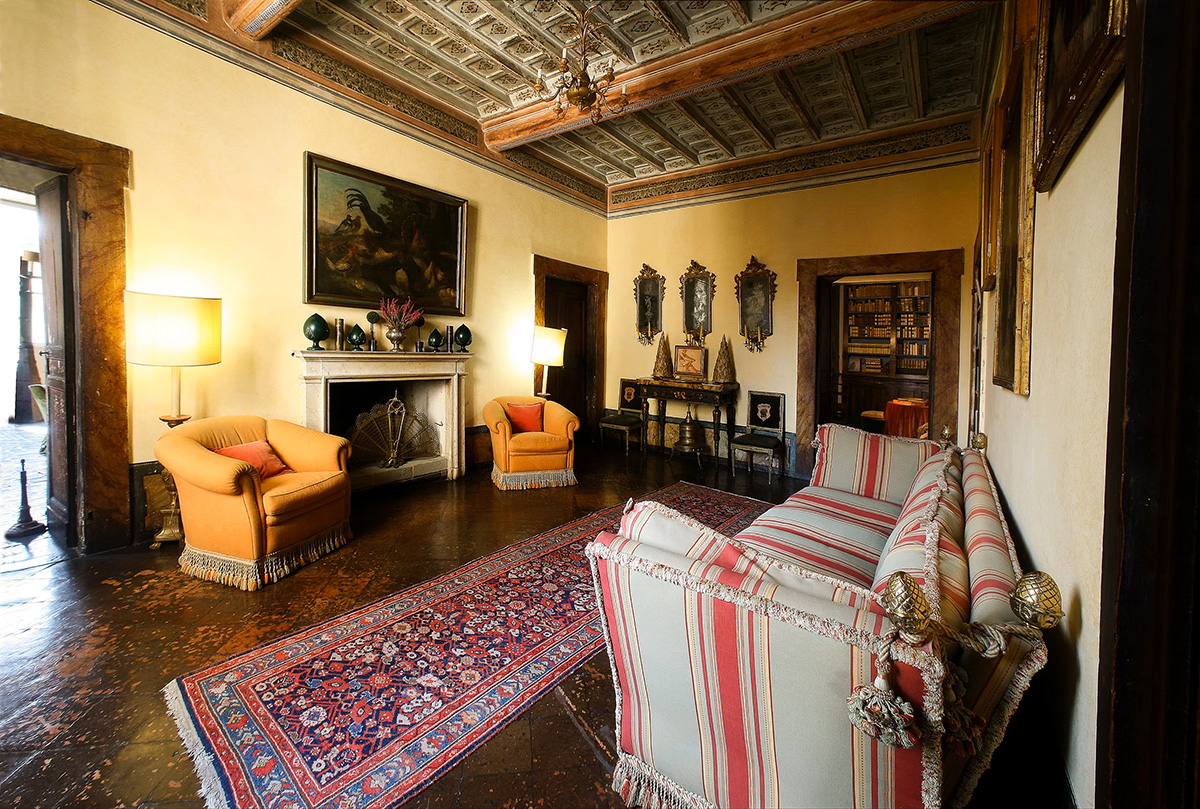
Upon arrival, you’ll check into your hotel, a seventeenth-century palazzo and former convent now run as a guest house in one of the city’s best locations. Later, you’ll visit the Vatican Museums, where centuries of artistic mastery culminate beneath the breathtaking ceiling of the Sistine Chapel.
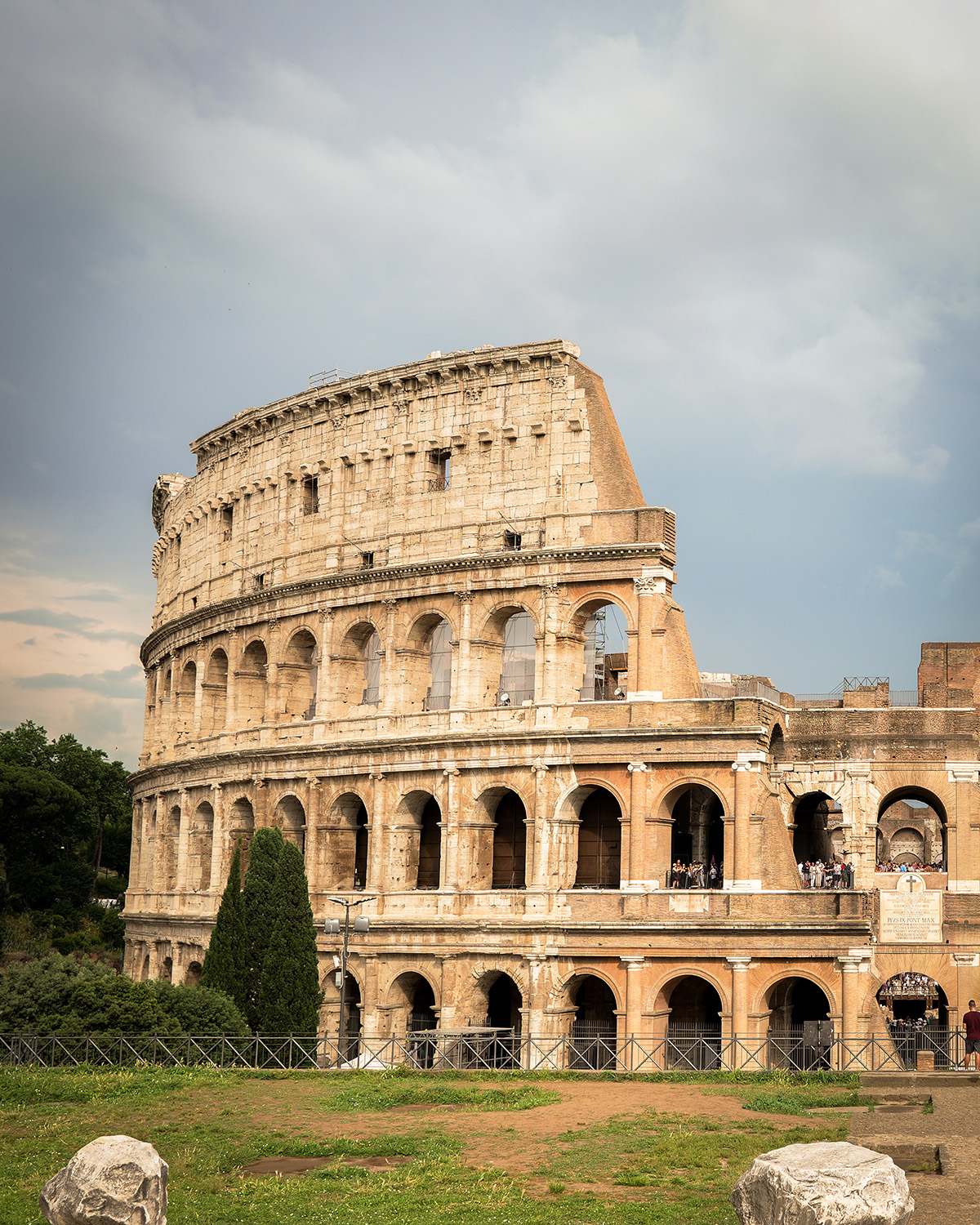
This morning your study abroad activities will begin near one of Rome’s longest-standing engineering feats, the ancient sewer. Here, by the Tiber River, you’ll stand at one of Rome’s key meeting points between past and present, in sight of ancient temples, the old forum, and the city’s oldest bridge. Your first stop will be Santa Maria in Cosmedin, the Greek church built over the Temple of Apollo and home to the Bocca della Verità. Together with your guide, you’ll trace the city through the centuries as you climb the Capitoline steps designed by Michelangelo, see the equestrian bronze of Marcus Aurelius (a replica), and pass through the courtyard between the world’s oldest museums and the Temple of Jupiter before visiting the ancient Roman Forum and Palatine Hill.
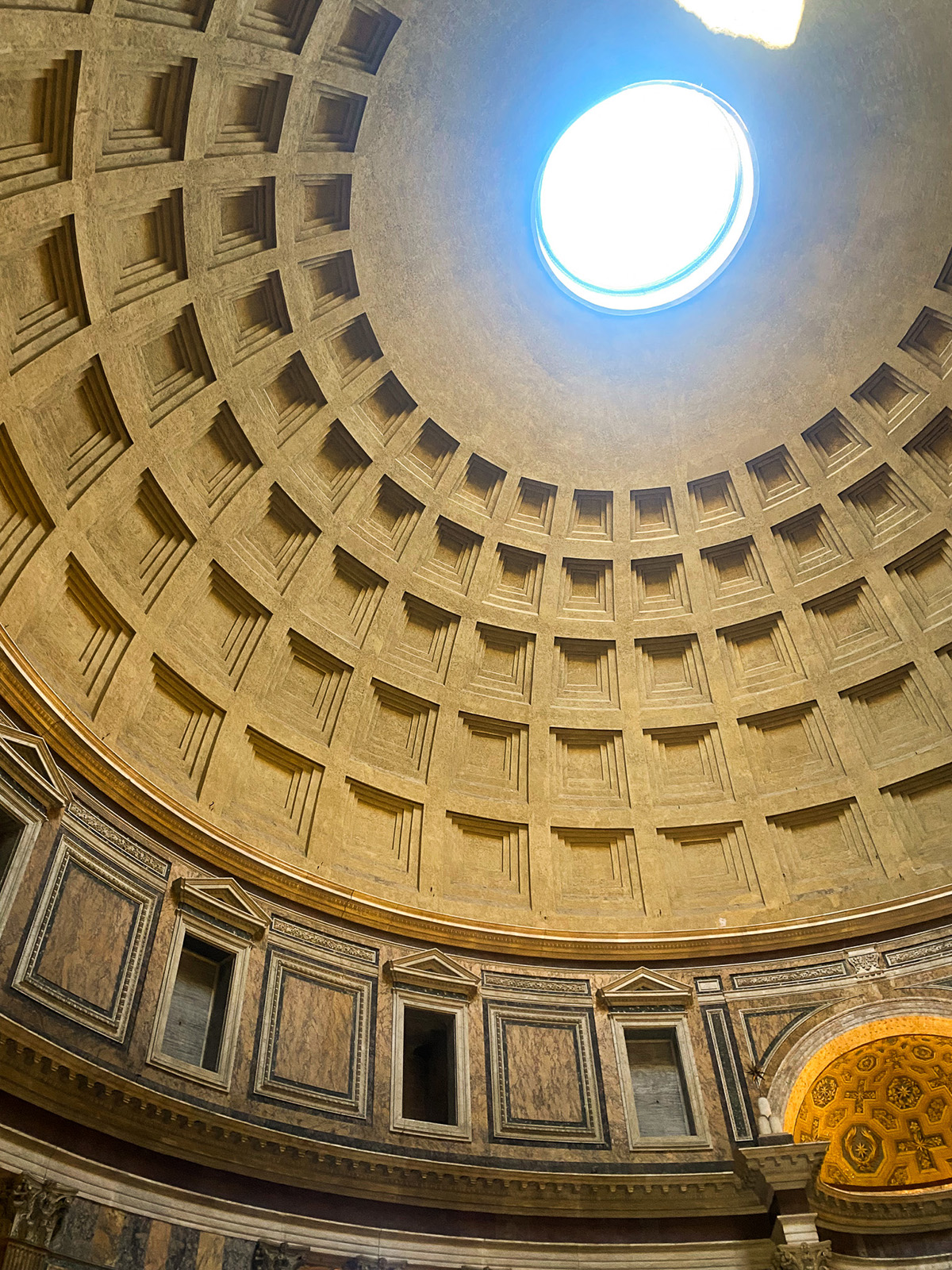
After a free afternoon, in the late afternoon you’ll regroup for a visit to the Pantheon, followed by dinner.
After breakfast at your hotel, you’ll ride the bus to San Clemente, where you’ll explore Rome’s many layers, descending through centuries of history beneath the city streets.
This evening, you’ll regroup for one last celebratory meal, where each ACBA traveler will be invited to reflect on what this journey has inspired, feasting together in true Roman style—la dolce vita. After dinner, you’ll set out for an evening stroll through the city, taking in Piazza Navona, the Pantheon, Hadrian’s Temple, the Trevi Fountain, and the Spanish Steps..
Wake early to watch the sunrise from the Capitoline Hill or in the square in front of the Pantheon. Your study abroad program concludes at breakfast. Your guide will arrange taxis back to the airport and be available to help with questions.
The workshops and talks with artisans, craftsmen, and locals. It was the highlight of the trip. Though tours of grand cathedrals and castles was great, being able to meet those who help weave the grand tapestry of Spanish architectural history was indispensable.
Absolutely incredible. Life long memories were made, and I would love to do another trip.
Traveling with Alithea was a blast. Their ability to immerse you in foreign cultures is unmatched, They made me feel like a local!
Our trip with Alithea was perfectly tailored to our schools interests and needs, and would not have changed a thing. The accommodation, meals, transportation, etc were all made incredibly easy by our guide. Our guide was quick, knowledgeable, and supportive the whole trip. Thank you Alithea!!
The whole trip was fantastic. The tour guides were engaged and the trip was costume fit to our interests.
I really enjoyed the musical gondola ride through Venice. That was a lot of fun. Favorite moment was at the vineyard when the power went out we all made a big fire and just hung around talking with each other.
My two favorite moments were watching sunset from the top of Brunelleschi’s dome, and our time at Castello DI Bossi. My favorite activities were watching the glass blowing at the glass cathedral, and the incredible tour we got at the Palazzo Colona
Best fun was spending the day with Marillia's family to get a real authentic Greek experience. My personal favorite was going to St. Andreas in Patras and seeing the relics of the apostle Andrew.
My favorite moment was spending the day with Marilia's family. As much as I love history and the building arts (and all the sites we saw left a huge impact on me) that day with her family we got the most greek experience possible, and that was very special.
There was never a bad moment. Getting guided through St. Marks square when we first got to Venice was amazing. climbing the Duomo, having free time to walk around th shops before dinner in all the cities. The Sienna museum.

For further questions don't hesitate to reach out to us directly.




%206.42.32%20p.m..png)
%206.49.28%20p.m..png)
%206.11.14%20p.m..png)
%206.01.41%20p.m..png)
%205.56.27%20p.m..png)